
Estimated reading time: 36 minutes
Key Takeaways
- Performance Boost: Carbon wheels offer significant performance gains through weight reduction, improved aerodynamics, and increased stiffness, leading to faster acceleration, better climbing, and more responsive handling.
- Choosing Wisely: The best carbon wheels for you depend on your primary cycling discipline (road, MTB, gravel), preferred rim depth, brake type (rim vs. disc), and budget.
- Durability and Value: Modern carbon wheels are highly durable and can last for many years with proper care, making them a worthwhile long-term investment. Mid-range options ($800-$1500) typically offer the best balance of performance and cost.
- Critical Compatibility: Before buying, you must verify compatibility with your bike’s frame, including hub spacing (axle standards), brake system, and tire clearance, to avoid costly mistakes.
Table of Contents
- What Are Carbon Fiber Wheels? Understanding the Technology
- Types of Carbon Cycling Wheels: Finding Your Perfect Match
- Key Performance Benefits of Carbon Fiber Wheels
- How to Choose the Best Carbon Wheels: Your Selection Guide
- Specifications to Understand: Technical Details That Matter
- Maintenance and Care for Carbon Fiber Wheels
- Common Misconceptions and FAQs
- Top Carbon Fiber Wheels Recommendations and Comparison
- Conclusion: Making Your Carbon Wheel Decision
The Complete Carbon Fiber Wheels Buying Guide: How to Choose the Best Carbon Wheels for Your Bike
Are you ready to unlock the next level of cycling performance? Upgrading to carbon fiber wheels is one of the most impactful changes you can make to your bike, offering dramatic improvements in speed, acceleration, and handling that every rider can feel from the first pedal stroke.
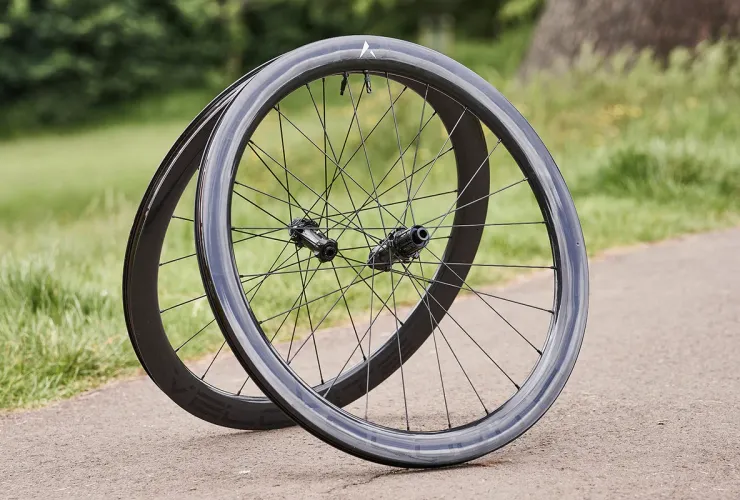
Carbon fiber wheels are wheels constructed primarily from carbon fiber composite material, designed to provide superior performance characteristics compared to traditional aluminum or steel options. These advanced wheels have transformed from exotic racing equipment into the industry standard for serious cyclists seeking a competitive advantage.
Whether you’re a road cyclist chasing personal records, a mountain biker tackling challenging terrain, or a weekend warrior looking to maximize your riding experience, carbon wheels deliver measurable benefits that justify their investment. Many cyclists report that switching to carbon bike wheels provides more noticeable performance improvement than upgrading their frame or drivetrain.
This comprehensive buying guide will help you select the right carbon bike wheels for your specific needs and budget. We’ll explore what makes these wheels special, the different types available, their key performance benefits, how to choose the perfect set, technical specifications you need to understand, proper maintenance practices, and top recommendations across different price points.
By the end of this guide, you’ll have the knowledge and confidence to make an informed decision about which carbon wheels are right for you.
What Are Carbon Fiber Wheels? Understanding the Technology
Carbon bicycle wheels are manufactured using multiple layers of carbon fiber fabric combined with epoxy resin in a sophisticated process that creates incredibly strong yet lightweight structures. During production, carbon fiber sheets are carefully wrapped around precision molds in specific orientations, then cured under heat and pressure to create the rim structure.
This layering process allows manufacturers to control exactly where strength and stiffness are needed. Different carbon fiber orientations provide different structural properties—longitudinal fibers add stiffness, while angled fibers improve impact resistance.
While the rims of carbon bike wheels are always made from carbon fiber composite, the spokes may be carbon or traditional materials like stainless steel or aluminum. Most modern designs use metal spokes because they provide excellent durability and are easier to tension and replace when needed.
Full carbon wheels represent the premium category where both the rim AND spokes are constructed entirely from carbon fiber composite material. These wheels offer the absolute maximum weight reduction and aerodynamic optimization, though they come at a higher price point and may sacrifice some durability compared to carbon rims with metal spokes.
How Carbon Differs From Other Wheel Materials
Carbon bike wheels offer distinct advantages over aluminum wheels, which have dominated cycling for decades. Aluminum wheels are heavier—typically 300-500 grams more per wheelset—and cannot achieve the aerodynamic rim profiles that carbon allows. However, aluminum wheels are more affordable and easier to repair if damaged.
Steel wheels, once the standard, are now mostly relegated to vintage bikes and heavy-duty utility cycling. Steel is significantly heavier than both aluminum and carbon, making it slower and requiring more effort to accelerate and climb.
Carbon cycling wheels have become the preferred choice for performance-oriented riders because they offer the best weight-to-strength ratio of any wheel material. A carbon rim can be lighter than aluminum while simultaneously being stronger and stiffer in the specific directions that matter for cycling performance.
The superior stiffness of carbon wheels translates directly to better power transfer during acceleration and climbing. When you push hard on the pedals, less energy is lost to wheel flex, meaning more of your effort goes into forward motion.
Why “Full Carbon” Construction Matters
Full carbon wheels represent the pinnacle of wheel technology, offering complete weight reduction across every component. When both rims and spokes are constructed from carbon fiber, the total system weight can drop by an additional 100-200 grams compared to carbon rims with metal spokes.
Full carbon construction affects performance in several measurable ways. The lighter overall weight reduces the energy required for acceleration and climbing. The more aerodynamic profile possible with carbon spokes further reduces wind resistance. Perhaps most impressively, carbon’s natural vibration damping properties make full carbon wheels more comfortable over rough roads.
However, full carbon wheels typically cost significantly more than partial carbon alternatives. They also require more careful handling, as carbon spokes can be more susceptible to damage from impacts or improper spoke tension. For most riders, carbon rims with quality metal spokes represent the ideal balance of performance, durability, and value.
Types of Carbon Cycling Wheels: Finding Your Perfect Match
Road Cycling Carbon Wheels
Carbon cycling wheels designed for road use typically feature lightweight construction with shallow to medium rim depths ranging from 30-50mm. These wheels prioritize speed and efficiency on paved surfaces, where their aerodynamic profiles and reduced weight deliver maximum advantage.
Road carbon wheels excel in several specific use cases. Racing cyclists benefit from their rapid acceleration out of corners and sprint responsiveness. Long-distance riders appreciate the energy savings that accumulate over hundreds of kilometers. Even performance commuters find that carbon wheels make their daily rides faster and more enjoyable.
Typical specifications for road carbon wheels include 18-20 spokes in the front wheel and 20-24 spokes in the rear. This reduced spoke count contributes to weight savings and aerodynamic efficiency while maintaining sufficient strength for riders up to 90-100kg.
The versatility of road carbon bike wheels makes them the most popular category. Whether you’re climbing mountain passes, sprinting in criteriums, or completing centuries, a quality set of road carbon wheels will enhance your performance.
Mountain Biking Carbon Options
Carbon bike wheels for mountain biking take a different approach, prioritizing durability and impact resistance over pure weight savings. Mountain bike carbon wheels typically feature more robust construction with reinforced spoke patterns using 28-32 spokes to handle the forces and impacts of trail riding.
The rim profile on mountain bike carbon wheels is generally shallower (20-30mm) compared to road versions. This provides better strength against rock strikes and impacts while maintaining the handling characteristics mountain bikers need on technical terrain.
Full carbon wheels are less common in mountain biking specifically because the harsh impacts from roots, rocks, and drops can potentially damage carbon spokes. Most mountain bikers opt for carbon rims paired with stainless steel spokes, which offer an excellent balance of weight savings and real-world durability.
Modern mountain bike carbon wheels are designed around disc brake systems, which have become standard on virtually all new mountain bikes. This brake compatibility eliminates concerns about carbon rim brake performance in muddy or wet conditions.
Track and Gravel-Specific Designs
Specialized carbon bicycle wheels for track cycling often feature dramatically deeper rims (50mm and beyond) or even solid disc designs. Track wheels maximize aerodynamic efficiency since handling in crosswinds isn’t a concern on indoor velodromes.
Some track carbon wheels use tri-spoke designs that balance aerodynamics with sufficient structural stiffness for the enormous forces generated during track sprinting. These specialized wheels are highly optimized for their specific purpose but aren’t suitable for road riding.
Gravel-specific carbon wheels occupy the middle ground between road and mountain bike characteristics. Typical gravel carbon wheels feature 35-40mm rim depths and are built to accommodate wider tires (typically 35-45mm) for mixed-surface riding.
The internal rim width on gravel carbon wheels is wider than standard road wheels, providing better support for the larger volume tires used on unpaved roads. These wheels typically use 24-28 spokes for added durability against the rougher conditions of gravel riding.
These specialized categories represent niche segments within the carbon cycling wheels market, but they demonstrate how carbon technology can be optimized for virtually any cycling discipline.
Key Performance Benefits of Carbon Fiber Wheels
Weight Reduction Creates Real Performance Gains
Carbon wheels typically weigh 300-500 grams less than comparable aluminum wheelsets. This might not sound dramatic, but it creates noticeable performance improvements in real-world riding conditions.
The weight reduction directly improves acceleration, climbing ability, and overall speed. Lighter carbon bicycle wheels require less energy to spin up to speed, benefiting cyclists in stop-and-go riding situations like criterium racing, urban cycling, and any riding that involves frequent acceleration.
The physics of rotational weight makes wheel weight particularly important. Weight savings in your wheels have 2-3 times greater impact on acceleration performance than equivalent weight savings in your frame or other static components. This is because wheels must both be lifted (like any component) AND rotated, requiring energy in two dimensions.
A typical 400-gram weight savings from switching to carbon wheels effectively “feels like” removing more than 1000 grams from your frame. This explains why so many cyclists report that carbon wheels make their bike feel transformed—more responsive, quicker to accelerate, and easier to ride uphill.
Aerodynamic Advantages at Speed
Carbon fiber wheels can be molded into sophisticated aerodynamic profiles that aluminum construction simply cannot match. Carbon’s material properties allow for complex shapes with bladed rim sections, optimized depth transitions, and aerodynamic spoke patterns.
Deep-rim carbon bike wheels in the 50mm and greater range dramatically reduce wind resistance, particularly at higher speeds. Testing shows that aerodynamic wheels can save 20-30 watts of power at racing speeds (40 km/h) compared to standard aluminum wheels.
The aerodynamic benefits become increasingly valuable at speeds above 25 km/h, where wind resistance becomes the dominant force you’re working against. For time trialists, triathletes, and fast group riders, aerodynamic carbon wheels can mean the difference between winning and losing.
Even shallow-rim carbon wheels in the 30-40mm range benefit from aerodynamic rim shaping. Modern computational modeling allows manufacturers to optimize rim profiles for efficiency across a wide range of wind angles and speeds, delivering measurable benefits to everyday riders, not just racers.
Durability and Longevity You Can Trust
Full carbon wheels that are properly maintained can last 5-10 years or more, often outlasting the bikes they’re mounted on. This longevity might surprise riders who assume carbon is fragile, but modern carbon fiber construction is remarkably durable.
Carbon fiber’s resistance to fatigue cracking makes carbon cycling wheels more durable than aluminum over extended use. Aluminum wheels develop microscopic cracks from repeated stress cycling, which eventually leads to failure. Carbon fiber doesn’t experience this progressive weakening.
Unlike aluminum, carbon doesn’t suffer from stress-corrosion cracking that can occur when aluminum is exposed to road salt and environmental contaminants over time. Carbon bicycle wheels maintain their structural integrity across years of varied conditions.
Proper care significantly extends the lifespan of carbon wheels. Regular cleaning, appropriate spoke tension maintenance, and avoiding extreme impacts will ensure your carbon wheels deliver consistent performance for many thousands of kilometers.
Stiffness Means Responsive Performance
Carbon wheels offer superior lateral stiffness compared to aluminum wheels of equivalent weight. This stiffness translates directly into more responsive handling and better power transfer during hard accelerations.
When you sprint out of a corner or accelerate up a climb, stiffer wheels waste less energy through flex. The power you generate at the pedals transfers more efficiently to forward motion rather than being absorbed by wheel deflection.
Increased lateral stiffness also improves cornering stability. Best carbon wheels track precisely through turns without the slight flex that can make aluminum wheels feel vague or imprecise during aggressive cornering.
Sprint performance particularly benefits from stiff full carbon wheels. Professional sprinters generate enormous power—often exceeding 1500 watts—and require wheels that won’t flex under these extreme forces. Carbon’s superior stiffness-to-weight ratio makes it ideal for sprint specialists.
Understanding the Cost-to-Performance Ratio
While carbon bike wheels have a higher upfront cost than aluminum alternatives, the performance benefits justify the investment for riders who are serious about their cycling.
Carbon cycling wheels often offer better value than upgrading other components when measured in performance-per-dollar spent. A $1200 set of carbon wheels typically delivers more noticeable improvement than a $1200 upgrade from an entry-level to mid-range frame.
Mid-range carbon wheels in the $800-1500 price bracket offer excellent performance that rivals or exceeds high-end aluminum wheels costing $500-800. The performance gap between mid-range and premium carbon wheels is relatively small, making the mid-range segment particularly attractive for value-conscious riders.
As carbon wheel manufacturing technology has matured and scaled up, prices for quality carbon bicycle wheels have decreased significantly. Wheels that would have cost $2500+ a decade ago now deliver similar performance at $1000-1200, making carbon accessible to a much wider range of cyclists.
How to Choose the Best Carbon Wheels: Your Selection Guide
Step 1: Determine Your Cycling Discipline
Selecting the best carbon wheels starts with clearly identifying your primary riding purpose. Are you focused on road cycling, mountain biking, gravel riding, track racing, or mixed-use riding?
Different carbon cycling wheels are optimized for different purposes with specific rim depths, spoke counts, and construction approaches. Using discipline-appropriate wheels ensures you get the performance benefits that matter most for your riding.
Choosing discipline-appropriate carbon bicycle wheels ensures compatibility with your frame, brake system, and component group. Road wheels won’t fit mountain bike frames, and vice versa, so this fundamental decision narrows your options considerably.
Multi-purpose riders who split time between different disciplines might ultimately need two sets of carbon bike wheels for optimal performance in each condition. However, gravel-specific carbon wheels can serve as versatile options for riders who mix road and light off-road riding.
Step 2: Evaluate Rim Depth for Your Needs
Rim depth is measured in millimeters and typically falls into three categories: shallow (20-35mm), medium (35-50mm), and deep (50mm and beyond).
Shallow carbon wheels offer easier handling, particularly in crosswinds, and provide better acceleration thanks to their lighter weight. These wheels excel in climbing and technical riding where responsiveness matters more than pure aerodynamic efficiency.
Medium-depth carbon fiber wheels balance aerodynamic benefits with manageable handling characteristics, making them ideal for most road cyclists. A 40-50mm rim depth delivers meaningful aerodynamic advantages without the crosswind handling challenges of deeper wheels.
Deep-rim best carbon wheels maximize aerodynamics for flat terrain and high-speed riding. Time trialists, triathletes, and riders in consistently fast groups benefit most from deep-section wheels. However, these wheels require stronger bike handling skills in crosswinds and are heavier, reducing their climbing performance.
Mountain bikes typically use shallower carbon bike wheels in the 20-30mm range. This prioritizes durability and impact resistance over aerodynamics, which matters less on technical trails where speeds are lower and handling precision is paramount.
Step 3: Consider Brake Compatibility
Carbon bicycle wheels come in two main brake types: rim brake compatible and disc brake compatible. This is one of the most critical compatibility factors you must verify before purchasing.
Rim brake carbon wheels feature a traditional braking surface on the rim where brake pads make contact. These wheels are lighter weight and work with older frames, but rim brakes are becoming less common on new bike designs.
Disc brake carbon cycling wheels are compatible with modern hydraulic disc brake systems, which provide more powerful and consistent braking in all weather conditions. Disc brakes are now standard on most new road bikes and virtually all mountain bikes.
You cannot interchange rim brake and disc brake wheels, so checking your frame’s brake type is absolutely essential before purchasing carbon bike wheels. Look at your current wheels or frame specifications to determine which type you need.
Step 4: Assess Appropriate Spoke Count
Spoke count significantly affects the durability, weight, and ride quality of carbon wheels. Common ranges include 16-18 spokes for ultra-light road racing, 20-24 spokes for standard road use, and 28-32 spokes for mountain biking or heavy-duty applications.
Fewer spokes make carbon fiber wheels lighter and slightly more aerodynamic, but reduce overall durability and load capacity. Ultra-low spoke count wheels (16-18 spokes) are best suited for lighter riders (under 70kg) on smooth roads.
The 20-24 spoke range represents the ideal balance for most road cyclists. These best carbon wheels provide sufficient strength for riders up to 90-100kg while maintaining excellent weight and aerodynamic performance.
Heavier riders (over 100kg) or those riding on rough terrain should choose higher spoke count carbon bicycle wheels with 28-32 spokes. The additional spokes distribute forces more evenly, improving durability and reducing the risk of rim damage.
Step 5: Evaluate Hub Quality
Hub quality significantly impacts carbon cycling wheels performance, longevity, and maintenance requirements. The hub is the central component that supports the wheel and enables smooth rotation.
Bearing types fall into two main categories. Cartridge bearings are sealed units that require minimal maintenance and resist contamination. Cup-and-cone bearings are adjustable and can be serviced, but require more frequent maintenance.
Premium carbon bike wheels typically use quality sealed cartridge bearing hubs with 4-6 bearings per wheel. These bearings use quality steel races and high-grade lubricants that maintain smooth performance across thousands of kilometers.
Hub engagement—how quickly the wheel engages when you begin pedaling—affects the performance feel of your best carbon wheels. High-quality hubs engage almost instantaneously, providing more responsive acceleration feel.
Step 6: Budget Considerations
Price ranges for carbon wheels typically break down into three categories: entry-level ($400-800), mid-range ($800-1500), and premium ($1500 and beyond).
Entry-level carbon bicycle wheels offer significant weight savings and aerodynamic benefits compared to aluminum wheels. These wheels use simpler manufacturing techniques and may have heavier hubs or fewer features, but still deliver real performance improvements.
Mid-range best carbon wheels offer excellent value for serious cyclists. This price range includes sophisticated aerodynamic designs, premium materials, quality hubs, and improved durability. The performance difference between mid-range and premium wheels is relatively small.
Premium carbon cycling wheels maximize every aspect of performance with cutting-edge designs, ultra-premium materials, and meticulous manufacturing. These wheels target competitive racers and enthusiasts who want absolutely the best available performance.
Buying previous-year models of premium carbon wheels often provides better value than current-year entry-level options. Many manufacturers discount last year’s colors or graphics significantly while the actual performance remains identical.
Step 7: Brand Reputation and Warranty Support
Choosing established brands for carbon fiber wheels helps ensure quality control, proper testing, and reliable performance. Reputable manufacturers invest in engineering, testing, and quality assurance that lesser-known brands may skip.
Reputable brands offer warranties typically ranging from 2-5 years on carbon bicycle wheels. These warranties protect against manufacturing defects and provide peace of mind that you’re investing in a quality product.
Warranty support becomes crucial if issues arise with your carbon wheels. Established brands have customer service infrastructure to handle warranty claims, replacement parts, and technical support.
Brand reputation correlates strongly with quality consistency in carbon cycling wheels. While newer or lesser-known brands may offer lower prices, established manufacturers deliver more predictable performance and reliability.
Step 8: Verify Frame and Component Compatibility
Carbon bike wheels must be compatible with several aspects of your frame and components: hub spacing (axle standards), brake system, wheel diameter, and tire clearance.
Modern road bikes typically use 100mm front hub spacing and either 130mm (older) or 142mm (newer) rear spacing. Mountain bikes commonly use 100mm or 110mm front and 142mm or 148mm rear spacing.
Hub standards include quick-release (traditional), thru-axle (modern standard), and various thru-axle diameters (12mm, 15mm front / 12mm rear are most common). Your full carbon wheels must match your frame’s hub standard.
Wheel diameter must match your frame. Road bikes use 700c wheels, while mountain bikes use 27.5″ (650b) or 29″ wheels. These are not interchangeable.
Modern best carbon wheels come in these standardized sizes, but verifying compatibility before purchase prevents expensive mistakes. Check your current wheels or frame specifications to ensure any new carbon wheels will fit properly.
Specifications to Understand: Technical Details That Matter
Rim Depth and Aerodynamic Profiles
Rim depth is measured in millimeters from the spoke bed to the outer edge of the rim. A 50mm rim, for example, measures 50mm in this vertical dimension.
Aerodynamic rim profiles feature bladed or teardrop-shaped cross-sections that reduce wind resistance compared to traditional round or box-section profiles. Carbon wheels allow for these sophisticated shapes that would be impossible to manufacture in aluminum.
The rim profile affects handling characteristics beyond just aerodynamics. Deeper rims are more responsive to crosswinds, requiring more attention to bike handling in gusty conditions. Shallower rims are more forgiving and easier to control.
Modern carbon fiber wheels often feature variable rim depth profiles—slightly shallower on the front wheel for easier handling, slightly deeper on the rear for maximum aerodynamic benefit where crosswind handling is less critical.
Wheel Weight and Weight Distribution
Total wheel weight includes all components: rim, spokes, nipples, hub, bearings, rim tape (for tubeless), and valve. Complete wheelset weight is typically specified for both wheels together.
Typical weights for carbon bicycle wheels range from 1200-1500 grams for road wheelsets (700c) and 1600-2000 grams for mountain bike wheelsets. These figures include all components ready to install.
Weight distribution matters significantly for performance. Weight closer to the rim (rotational weight) requires more energy to accelerate than weight at the hub. Lighter rims provide more noticeable performance benefits than heavier hubs with lighter spokes.
Full carbon wheels generally weigh 100-200 grams less than comparable carbon rim wheels with metal spokes. This weight savings comes primarily from the lighter carbon spokes, though completely optimized hubs may also contribute.
Hub Quality and Bearing Systems
Quality hubs support the wheel structure and enable smooth, low-friction rotation. Hub design impacts everything from acceleration feel to long-term durability.
Sealed cartridge bearings are the current standard for quality carbon wheels. These bearings feature steel races, bearing balls, and seals in a single replaceable unit. They resist water and contamination effectively and maintain performance longer.
Premium best carbon wheels use high-quality cartridge bearings with precision-ground races and advanced seals. These bearings roll with measurably less friction than basic bearings, improving efficiency and free-wheel coasting speed.
Bearing preload—how tightly the bearings are adjusted—significantly affects performance. Excessive preload increases friction and causes premature bearing wear. Insufficient preload creates play that damages bearing races. Quality manufacturers pre-set bearing preload to optimal specifications.
Brake Compatibility Details
Rim brake surfaces on carbon bicycle wheels require special consideration. Some manufacturers use carbon brake tracks with special compounds for pad contact, while others insert aluminum brake tracks into carbon rims for more consistent braking performance.
Disc brake carbon wheels eliminate concerns about rim brake performance, but you must verify disc brake mounting standards. Flat mount and IS (International Standard) 2000 are the two common standards for disc brake calipers.
Disc rotor size also matters for compatibility. Most road bikes use 140mm or 160mm rotors, while mountain bikes typically use 160mm or 180mm. Your carbon cycling wheels must accommodate the rotor sizes your frame and fork are designed for.
Some carbon bike wheels are specific to rim or disc brakes, while others work with both through adapter kits or removable brake tracks. Verify exactly which brake systems your chosen wheels support before purchasing.
Spoke Tension and Wheel Strength
Spokes maintain wheel tension and structural integrity by pulling the rim toward the hub in a carefully balanced pattern. Proper spoke tension is critical for wheel performance and longevity.
Spoke tension is measured in kilograms of force (typically 100-150kg for road wheels). Each spoke must maintain appropriate tension to keep the wheel true (perfectly round and straight) and to distribute forces evenly across the rim structure.
Carbon wheels with proper spoke tension maintain their shape and deliver consistent performance across thousands of kilometers. Wheels with uneven or inadequate tension develop wobbles, reduce efficiency, and may fail prematurely.
Manufacturers of best carbon wheels carefully pre-tension spokes to optimal levels during manufacturing using specialized equipment. This initial tensioning often includes stress-relieving procedures that enhance long-term stability.
Tire Compatibility and Width
Carbon bike wheels are designed for specific tire width ranges that you must observe for safety and performance. Road wheels typically accommodate 23-28mm tires, while mountain bike wheels work with 2.0-2.4″ (or larger) tires.
Internal rim width—the measurement between the inner edges of the rim where the tire beads seat—affects tire compatibility and performance. Wider internal rim widths support wider tires more effectively and can improve tire profile and handling.
Modern carbon cycling wheels often feature wider internal rim widths (19-25mm for road wheels) to accommodate the trend toward wider tires. These wider rims provide better support for 25-28mm road tires that offer improved comfort and grip.
Many current carbon wheels are designed for tubeless tire setups, which offer reduced rolling resistance and improved puncture resistance. Tubeless-ready wheels feature rim profiles that help tires seal properly and may include tubeless-specific rim tape.
Maintenance and Care for Carbon Fiber Wheels
Long-Term Durability Expectations
Full carbon wheels typically last 5-10 years with proper care, making them a long-term investment rather than a frequently replaced component. Many cyclists keep their carbon wheels across multiple bike upgrades.
Several factors affect the lifespan of carbon fiber wheels: environmental conditions (coastal salt air is more corrosive than inland environments), riding intensity (racing creates more stress than recreational riding), maintenance frequency, and storage conditions.
Carbon bicycle wheels are extremely durable when not subjected to extreme impacts. The gradual stress of normal riding—even thousands of kilometers per year—doesn’t significantly degrade properly manufactured carbon fiber.
Best carbon wheels from reputable manufacturers often last longer than riders keep their bikes. It’s common for cyclists to transfer their carbon wheels to a new frame when upgrading, extending the wheels’ useful life even further.
Cleaning and Regular Maintenance
Proper cleaning technique preserves the finish and function of carbon wheels. Use warm soapy water and a soft brush to gently remove dirt, brake residue, and road grime from your carbon bicycle wheels.
Avoid high-pressure washers when cleaning carbon cycling wheels. The intense water pressure can force water past bearing seals, contaminating hub bearings and causing premature wear or corrosion.
Harsh chemicals including degreasers, acetone, and strong solvents can potentially degrade the epoxy resin in carbon wheels. Stick to mild soap and water for routine cleaning.
Regular cleaning prevents brake residue buildup on rim brake surfaces and keeps disc brake rotors free of contamination. Clean carbon bike wheels perform better and last longer than neglected wheels.
After cleaning, dry your carbon fiber wheels completely. Use a clean towel to remove excess water, particularly around hub seals and spoke nipples where trapped moisture can cause problems.
Bearing maintenance depends on bearing type. Sealed cartridge bearings in quality best carbon wheels require minimal intervention—usually just replacement when they eventually wear out after several years. Cup-and-cone bearings may need occasional adjustment to maintain optimal bearing preload.
Impact Damage and Repair Considerations
While carbon bike wheels are durable under normal riding conditions, significant impacts from crashes, potholes, or striking obstacles can potentially cause cracks in the carbon fiber structure.
Warning signs of damage to carbon wheels include visible cracks or delamination in the rim, unusual wobbling that can’t be corrected by truing, sudden changes in braking performance, or unusual sounds during riding.
Minor spoke damage—like bent spokes or broken nipples—on carbon bicycle wheels can often be repaired by professional wheel builders. Spoke replacement is straightforward when metal spokes are used.
Structural carbon damage to rims or carbon spokes on full carbon wheels is often not cost-effective to repair. Carbon fiber repair requires specialized materials and techniques, and the structural integrity after repair may not match original specifications.
For damaged best carbon wheels, replacement may be more economical and safer than attempted repair. Some manufacturers offer crash replacement programs that provide discounts on replacement wheels.
Insurance coverage or manufacturer warranty may cover damage to carbon cycling wheels depending on circumstances. Check your homeowner’s or renter’s insurance policy, as many cover bicycle components.
Storage and Environmental Protection
Proper storage location for carbon fiber wheels includes keeping them in cool, dry environments away from direct sunlight. Basements, climate-controlled garages, or indoor storage areas are ideal.
UV exposure from direct sunlight can gradually degrade carbon fiber resin over extended periods. While the effect is slow, storing carbon bicycle wheels out of direct sun prevents unnecessary degradation.
Carbon wheels should be stored vertically (standing upright) or hung on wall hooks to prevent rim warping. Avoid storing wheels flat under heavy objects that might create pressure points on the rim.
Extreme temperature fluctuations—like those in non-insulated sheds or garages in very hot or cold climates—should be avoided with carbon cycling wheels. While carbon fiber itself tolerates temperature extremes well, adhesives and hub components may be affected.
If storing carbon bike wheels for extended periods (off-season storage), slightly reduce tire pressure to minimize stress on the rim, but don’t deflate completely as this can damage tire beads.
Seasonal Maintenance Checklist
Pre-season inspection before beginning heavy riding should include checking spoke tension across all spokes on your carbon wheels. Pluck each spoke—they should produce a consistent musical tone. Inconsistent tones indicate uneven tension.
Check bearing feel by spinning each wheel while removed from the bike. The wheel should spin smoothly without grinding, roughness, or binding. Any irregular feel indicates bearing service may be needed.
Verify rim condition by carefully inspecting the entire rim surface on your carbon bicycle wheels for any cracks, particularly near spoke holes and brake surfaces.
Mid-season maintenance (during your heaviest riding period) should include thorough cleaning and bearing inspection. Remove wheels and check that bearings still spin smoothly on your best carbon wheels.
Post-season care before storing carbon cycling wheels includes thorough cleaning to remove all road grime, salt, and brake residue. Inspect carefully for any damage that may have occurred during the season.
Proactive maintenance of carbon fiber wheels extends their lifespan significantly and prevents small issues from becoming expensive problems. Regular attention ensures your wheels deliver consistent performance year after year.
Common Misconceptions and FAQs
Are carbon fiber wheels durable enough for everyday riding?
Absolutely. While early models had durability issues, modern carbon wheels are engineered for exceptional toughness. They use advanced materials and manufacturing to withstand the rigors of daily riding, rough roads, and even professional racing. The idea that they are “fragile” is a persistent but outdated misconception.
How do carbon wheels perform in the rain?
This concern is mostly related to older rim-brake models. Modern best carbon wheels feature advanced brake track surfaces that provide effective and consistent braking in wet conditions. Furthermore, if you use disc brakes, this issue is completely eliminated, as braking performance is independent of the rim material, making disc brake carbon bike wheels excellent in all weather.
Are carbon wheels worth the high cost?
For serious cyclists, the answer is a resounding yes. The performance gains in speed, acceleration, and handling are immediate and noticeable. When you consider their long-term durability, a single set of quality carbon wheels can outlast multiple sets of aluminum ones, making the cost-per-kilometer quite reasonable. The mid-range category ($800-$1200) in particular offers an exceptional cost-per-performance-gained. The improvement from mid-range aluminum wheels to mid-range carbon wheels is more noticeable than upgrading from an entry-level to mid-range frame at similar cost.
Top Carbon Fiber Wheels Recommendations and Comparison
Recommendation Framework
The best carbon wheels for any individual depend on specific factors including riding discipline, performance priorities, budget constraints, and personal preferences. There is no single “best” wheelset for everyone.
Evaluation criteria for comparing carbon wheels include aerodynamic performance (measured through wind tunnel testing or computational modeling), weight (total system weight including all components), durability (construction quality and real-world longevity reports), brand reputation (manufacturer track record and warranty support), and price (value-per-performance-gained).
The following recommendations are organized by budget category to help you identify options within your price range that deliver excellent performance and reliability.
Budget Category: Entry-Level ($400-800)
Entry-level carbon bike wheels provide decent aerodynamic benefits, good weight savings compared to aluminum, and adequate durability for recreational and fitness riding.
Typical characteristics of entry-level carbon wheels include:
- Rim depths typically 40-50mm
- Total wheelset weight 1500-1700g
- Basic hub designs with sealed bearings
- 20-24 spoke counts
- Simpler manufacturing techniques (often molded rather than hand-laid)
Entry-level carbon cycling wheels are ideal for cyclists new to carbon technology who want to experience the benefits without major investment. These wheels work well for recreational road cyclists, fitness riders, and those upgrading from basic aluminum wheels.
Specific use cases include weekend group rides, solo training rides, entry-level racing, and general road cycling. Entry-level wheels deliver meaningful performance improvements while remaining accessible to budget-conscious cyclists.
Budget Category: Mid-Range ($800-1500)
Mid-range carbon fiber wheels offer excellent aerodynamic profiles, premium materials, superior durability, and quality hub systems. This price range represents the best value for most serious cyclists.
Typical characteristics of mid-range carbon bicycle wheels include:
- Rim depths from 35-60mm with optimized profiles
- Total wheelset weight 1300-1500g
- Quality hubs with precision bearings
- 18-24 spoke counts
- Advanced manufacturing techniques
- Often tubeless-ready
This range represents the sweet spot where performance approaches premium options at significantly lower cost. Mid-range best carbon wheels offer 90-95% of the performance of wheels costing double the price.
Full carbon wheels become more common and accessible in this price range, though many mid-range options still use carbon rims with metal spokes for optimal durability.
Ideal users include competitive amateur racers, serious training riders, century riders, and cycling enthusiasts who ride regularly and want excellent performance without ultra-premium pricing.
Specific use cases encompass road racing, criterium racing, time trials (with appropriate rim depth), long-distance events, and regular training rides where quality equipment enhances the experience.
Budget Category: Premium ($1500+)
Premium carbon wheels feature cutting-edge aerodynamic design, ultra-premium materials, maximum performance optimization, and meticulous manufacturing quality.
Typical characteristics of premium carbon cycling wheels include:
- Rim depths optimized through extensive wind tunnel testing
- Total wheelset weight often under 1300g
- Ultra-premium hubs with ceramic bearings or advanced engagement systems
- Sophisticated spoke patterns and tensions
- Hand-built construction with quality control
- Advanced resin systems and carbon fiber grades
Premium best carbon wheels are engineered for competitive racing and performance optimization. Professional cyclists and dedicated enthusiasts justify the investment for maximum available performance.
Full carbon wheels in the premium range offer maximum weight savings and performance through completely optimized designs where every gram and every watt of drag reduction matters.
Ideal users include competitive racers (amateur and professional), time trial specialists, triathletes, and serious cycling enthusiasts who want absolutely the best available equipment.
Specific use cases include high-level racing, time trials, triathlons, and situations where every performance advantage matters and budget is less constrained.
Comparison Framework
When comparing specific carbon fiber wheels, consider these key specifications:
Rim Depth: Affects aerodynamics and handling (shallow: better handling, less aero; deep: maximum aero, harder handling)
Weight: Impacts acceleration and climbing (lighter is generally better, but not at expense of durability)
Brake Type: Must match your frame (rim brake vs. disc brake—not interchangeable)
Spoke Count: Affects durability and weight (fewer spokes = lighter but less durable)
Price Range: Determines which category ($400-800 entry, $800-1500 mid-range, $1500+ premium)
Ideal Use Case: What riding the wheels are optimized for (climbing, time trials, all-around, etc.)
Key Strengths: What the wheels do exceptionally well
Key Limitations: What compromises or limitations exist
Value-for-Money Analysis
Cost-per-performance metrics help identify the best carbon wheels at each price point. The mid-range category typically offers the best value, delivering 90%+ of premium performance at 50-60% of premium pricing.
Identifying undervalued best carbon wheels requires looking for previous-year models (often 20-30% discounted), lesser-known quality brands (may lack marketing budget but deliver excellent performance), and purchasing during end-of-season sales.
Carbon cycling wheels with slightly different color schemes from premium brands often offer identical performance at significantly lower cost. The only difference may be graphics or color, with all structural elements remaining the same.
Bulk wheelset purchases—buying multiple sets at once—sometimes qualify for additional discounts. Cycling clubs or groups of riders purchasing together may negotiate better pricing on quality carbon bicycle wheels.
Conclusion: Making Your Carbon Wheel Decision
Carbon fiber wheels offer significant, measurable performance benefits that enhance every aspect of cycling. Weight reduction improves acceleration and climbing. Aerodynamic optimization increases speed and efficiency. Superior stiffness enhances power transfer and handling. Exceptional durability ensures long-term value.
The best carbon wheels for you depend on your specific riding style, discipline, and budget. There is no single perfect wheelset for everyone—the ideal choice matches your priorities and use case.
The selection process follows a logical sequence:
- Identify your cycling discipline (road, mountain, gravel, etc.)
- Determine appropriate rim depth for your riding (shallow for climbing/handling, deep for aerodynamics)
- Verify brake compatibility (rim brake vs. disc brake)
- Assess specifications including spoke count, hub quality, and weight
- Choose a reputable brand with appropriate warranty support
- Select within your budget category
Selecting appropriate carbon wheels for your needs ensures you maximize value and satisfaction from your investment.
Final Recommendations by Rider Type
Recreational riders who enjoy weekend rides and occasional events should start with entry to mid-range carbon bike wheels in the $600-1000 range. These provide excellent performance improvements without requiring ultra-premium investment.
Serious racers and competitive cyclists should invest in mid to premium best carbon wheels in the $1000-2000 range. The performance optimization at this level provides meaningful advantages in competitive situations.
Mountain bikers should prioritize durability over pure aerodynamics in carbon cycling wheels selection, choosing models with 28-32 spokes and robust construction designed for impact resistance.
Time trial specialists and triathletes benefit most from deep-section aerodynamic carbon wheels (60mm+ rim depth) that maximize speed on flat courses where handling is less critical.
Upgrading to carbon bicycle wheels is often the single most impactful component upgrade a cyclist can make. The performance improvement is immediately noticeable and affects every ride.
Full carbon wheels represent the ultimate performance option for riders seeking maximum weight reduction and optimization. While more expensive, they deliver measurable advantages for competitive applications.
Regardless of which specific carbon wheels you select, they represent a long-term investment that will deliver years of enhanced performance, making every ride faster, more enjoyable, and more efficient.
Take Action on Your Carbon Wheel Journey
Start your carbon wheel selection by clearly defining your specific use case and priorities. Are you seeking lighter wheels for climbing? Aerodynamic wheels for flat terrain? Durable wheels for rough roads? Your priorities guide your selection.
Consult compatibility checkers provided by wheel manufacturers or visit professional bike shops to verify that any carbon fiber wheels you’re considering will work with your specific frame and components.
If possible, test-ride bikes equipped with carbon bike wheels before making your final purchase decision. Many bike shops offer demo programs or group rides where you can experience carbon wheels firsthand.
Share your experiences with best carbon wheels in cycling communities, forums, and social media. The collective knowledge of experienced cyclists helps everyone make better decisions.
Ready to transform your riding experience? Visit manufacturer websites to explore specific carbon cycling wheels models that match your needs, or contact local bike shops to see options in person.
The performance advantage of carbon wheels awaits—make your selection with confidence knowing you have the knowledge to choose wisely.

