
Estimated reading time: 8 minutes
Key Takeaways
- Carbon gravel wheels offer significant weight reduction and aerodynamic benefits, improving acceleration and climbing efficiency.
- Stiffer ride feel enhances responsiveness on smooth terrain but transmits more vibration on rough paths compared to aluminum.
- Modern carbon wheels are durable for most riders but require careful handling to avoid impact damage.
- The choice between carbon and aluminum depends on your terrain, speed goals, and budget – no universal winner.
- Proper selection involves matching wheel specs (rim depth, width, tire clearance) to your riding style and future upgrade plans.
Table of contents
- Carbon Gravel Wheels: The Complete Buyer’s Guide to Upgrading Your Gravel Bike Performance
- Key Takeaways
- What Are Carbon Gravel Wheels and Why Upgrade?
- Real-World Performance Benefits of Carbon Fiber Gravel Wheelsets
- Technical Specifications and Construction Deep Dive
- Practical Considerations – Durability, Maintenance, and Terrain Performance
- Carbon vs Aluminum Gravel Wheels – The Complete Comparison Framework
- How to Choose the Best Carbon Gravel Wheels – Selection Guide
- Conclusion and Next Steps
- Frequently Asked Questions
Are you riding stock aluminum wheels on your gravel bike? You’ve probably wondered if carbon gravel wheels are worth the money. Many riders ask this question as they progress from casual gravel paths to more challenging routes.
This guide will walk you through everything you need to know about carbon fiber gravel wheels. We’ll cover performance gains, technical specs, real-world trade-offs, and how to choose the best set for your riding style.
Let’s dive in.
What Are Carbon Gravel Wheels and Why Upgrade?
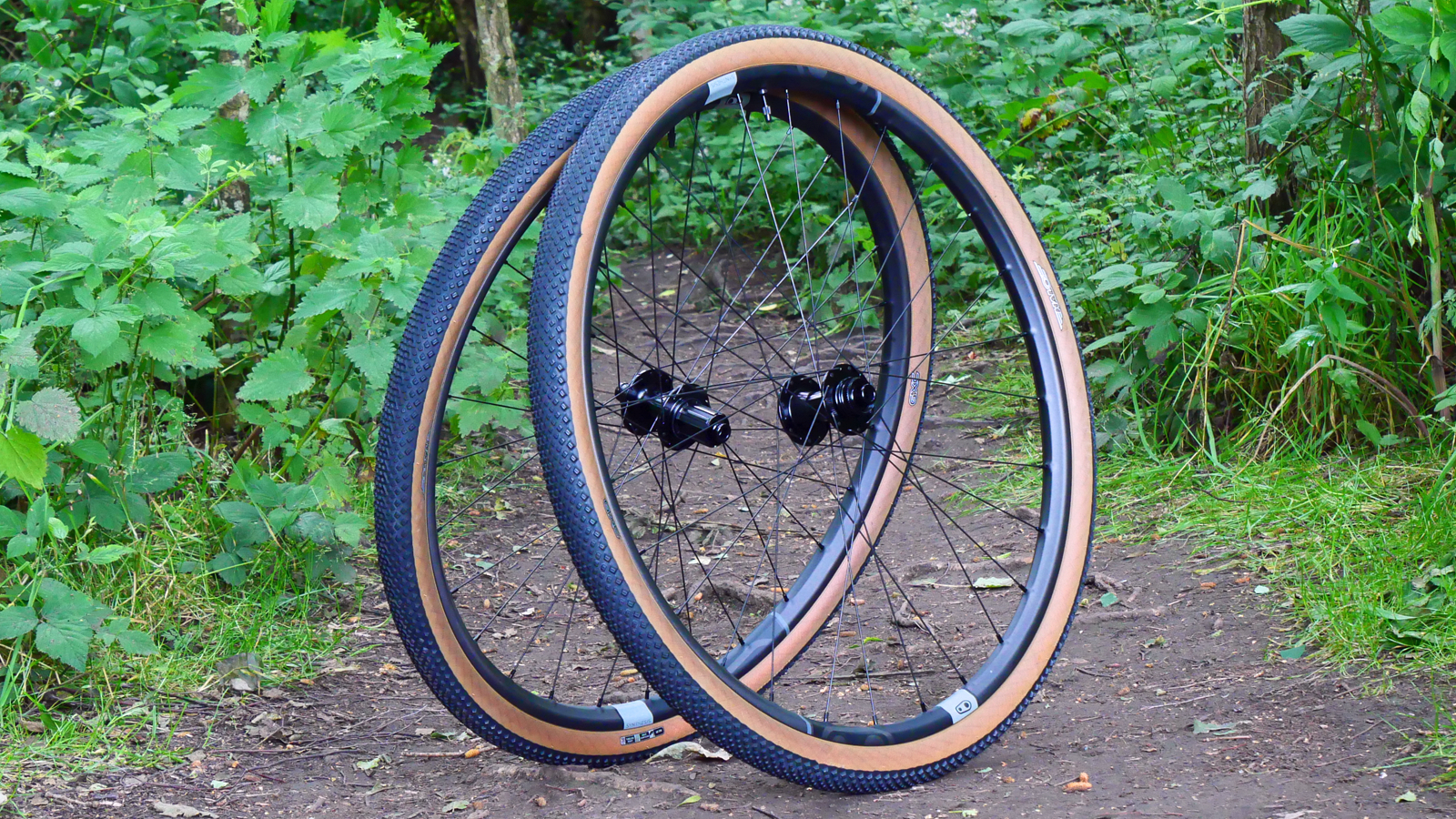
Carbon gravel wheels are lightweight wheelsets made primarily from carbon fiber. They’re designed specifically for gravel bikes to handle mixed terrain like dirt, gravel, and rough surfaces while offering performance upgrades over stock aluminum wheels.
Gravel riders are increasingly considering carbon fiber gravel wheels to enhance speed, responsiveness, and enjoyment. This is especially true as you move from casual riding to more technical adventures. However, stock aluminum still provides greater reliability on very rough terrain.
Upgrading gravel bike wheels is one of the most impactful changes you can make. Gravel bike carbon wheels can transform how your bike feels. But they also come with trade-offs.
This guide will give you a balanced analysis. You’ll understand the pros and cons of carbon gravel wheels versus aluminum. By the end, you’ll know if this upgrade is right for you.
Real-World Performance Benefits of Carbon Fiber Gravel Wheelsets
Weight Reduction Advantages
Carbon fiber gravel wheelsets like the Berd Sparrow are significantly lighter than stock aluminum wheels. This weight reduction improves acceleration, climbing efficiency, and overall bike handling for a more enjoyable ride.
- Less weight means you speed up faster from stops or corners.
- Hills feel easier because you’re lifting less mass.
- The bike feels more playful and responsive under you.
Lightweight gravel wheels also reduce rotational inertia. That means your wheels spin up quicker. Every pedal stroke feels more efficient.
Aerodynamic Efficiency
Carbon’s natural properties allow manufacturers to shape rims for better aerodynamics. This benefits faster gravel racing or road-oriented gravel riding. You cut through the wind more easily.
- Deeper carbon gravel rims reduce drag.
- You maintain speed with less effort on flat sections.
- Aerodynamic gains add up over long distances.
(Source)
Speed and Responsiveness Dynamics
Carbon gravel rims deliver a stiffer feel that changes ride dynamics. The bike becomes quicker on smoother sections. However, this stiffness transmits more feedback—and potentially more fatigue—on technical, rough terrain compared to forgiving aluminum.
- On smooth gravel, the bike feels snappy and direct.
- On rough paths, you feel every bump and rock.
- Some riders love this feedback; others find it tiring.
(Source)
The carbon gravel wheels performance trade-off is clear: speed and responsiveness come at the cost of comfort on rough ground.
Performance Comparison Summary
Real-world comparisons show that carbon fiber gravel wheels excel for enjoyment and speed on less demanding gravel. But they may not justify the upgrade if you prioritize bombproof reliability above all else.
- For smooth-to-moderate gravel: carbon wins.
- For technical, rocky terrain: aluminum may be better.
Technical Specifications and Construction Deep Dive
Carbon Fiber Construction Methods
Carbon fiber gravel wheelset construction typically features carbon rims with optimized spoke patterns. The Berd Sparrow, for example, uses innovative spokes designed specifically for gravel riding.
- Carbon rim depth varies from shallow (25-30mm) to medium (35-45mm) to deep (50mm+).
- Deeper rims offer more aero benefits but can be harder to handle in crosswinds.
- Gravel wheel spoke patterns are often designed for compliance and strength.
- Carbon wheel layup techniques balance stiffness and compliance—some rims are stiffer, others more forgiving.
(Source)
Material Composition and Durability Science
Carbon offers a high strength-to-weight ratio. This means it’s very strong for its weight. But it requires care on impacts. A hard hit can damage carbon fiber in ways that aren’t always visible.
- Wider tire clearances (50mm+) support mixed-terrain handling.
- Modern carbon wheels can handle tubeless setups easily.
- Impact resistance has improved, but it’s still not as tough as aluminum.
Impact on Handling Characteristics
The stiffer carbon construction improves responsiveness on varied surfaces. But it heightens vibration transmission on rocky or muddy paths. This influences bike geometry and stability choices.
- On smooth fire roads, carbon feels planted and fast.
- On chunky gravel, the bike may feel nervous or chatter over bumps.
- Riders often need to adjust tire pressure to compensate. (Source)
Practical Considerations – Durability, Maintenance, and Terrain Performance
Debunking Durability Myths
Carbon gravel wheels durability concerns are common. But contrary to popular belief, modern carbon gravel wheels hold up well for amateur use—if not abused on extreme impacts.
- Aluminum remains “more reliable” and easier to repair when damaged.
- Carbon can crack from sharp impacts, while aluminum dents.
- For most riders, carbon will last many years with proper care.
(Source)
Maintenance Requirements
Maintaining carbon wheels requires specific care. Gravel’s mud and moisture conditions demand regular cleaning.
- Wash your wheels after muddy rides.
- Inspect for cracks or damage after hard impacts.
- Avoid harsh crashes that could delaminate carbon fiber.
- Check spoke tension periodically.
(Source)
Terrain-Specific Performance Analysis
Carbon gravel wheels perform best for smooth-to-moderate gravel or bikepacking scenarios. On very rough technical terrain, the stiffness transmits more harshness to the rider.
- Best for: gravel roads, fire trails, smooth singletrack, bikepacking.
- Less ideal for: rocky descents, rooty trails, extremely rough paths.
- The carbon vs aluminum gravel wheels decision often comes down to your local terrain.
Longevity vs. Cost Investment
With proper care, riders can expect multi-year use from carbon fiber gravel wheels. This makes them a worthwhile investment for progressing riders, despite the higher upfront cost.
- Initial cost is high ($800–$2000+ per wheelset).
- But they last many seasons with good maintenance.
- Upgrading to carbon can delay the need for a new bike.
The gravel wheel longevity of carbon is excellent if you treat your gear well.
Carbon vs Aluminum Gravel Wheels – The Complete Comparison Framework
Here’s a clear breakdown of carbon gravel rims vs alloy across key factors.
| Aspect | Carbon Gravel Wheels | Aluminum Gravel Wheels |
|---|---|---|
| Weight | Lighter; boosts acceleration and climbing. (Source) (Source) | Heavier; more rotational inertia. (Source) |
| Stiffness and Ride Feel | Stiffer, more responsive but harsher on rough terrain. (Source) | More compliant and reliable on rough terrain. (Source) |
| Durability and Repairability | Good durability with proper care; impact-sensitive. (Source) | Highly reliable; easier and cheaper to repair. (Source) |
| Best Use Cases | Racing, speed-focused riding, smoother gravel. (Source) (Source) | Technical/rough terrain, budget-conscious riders prioritizing reliability. (Source) |
| Cost Analysis | Higher prices; premium tiers offer better aerodynamics and layup quality. (Source) (Source) | Lower entry cost; typically comes as stock standard. (Source) |
The gravel wheel comparison shows no clear winner—it depends on your priorities.
Investment Decision Framework
Carbon gravel wheels are worth the investment for riders seeking performance gains and enhanced bike “love.” But you should skip the upgrade if rough, technical terrain dominates your riding.
- If you race or ride mostly smooth gravel: go carbon.
- If you bomb down rocky descents regularly: stick with aluminum.
- If you’re in between: test ride both if possible.
Upgrading from aluminum to carbon wheels is a personal decision. This framework helps you make an informed choice.
How to Choose the Best Carbon Gravel Wheels – Selection Guide
Matching to Riding Style
The best carbon gravel wheels depend on your primary riding style. Here’s how to match:
- Racing and smooth gravel: Look for lightweight aero carbon fiber gravel wheelsets. Deeper rims (40-50mm) offer speed gains.
- Bikepacking and rough terrain: Choose wider tires and stability-focused builds. Shallower rims (30-35mm) handle better with loaded bikes.
(Source)
Technical Evaluation Criteria
When choosing carbon gravel wheels, assess these key factors:
- Weight: Lighter is better for climbing, but don’t sacrifice durability.
- Stiffness characteristics: Stiffer wheels feel faster but may be harsher.
- Tire clearance specifications: Look for at least 50mm internal width for gravel tires.
- Rim width compatibility: Wider rims support bigger tires and lower pressures. (Source)
(Source)
This carbon gravel wheelset buying guide will help you narrow options.
Brand and Warranty Considerations
Look for upgradable options like the Berd Sparrow system. Prioritize gravel wheel selection that future-proofs your setup as your skills grow.
- Avoid locked-in setups that limit future upgrades.
- Check warranty terms—many brands offer 2-5 years of coverage.
- Read reviews from riders who ride similar terrain to yours.
Terrain-Specific Decision Matrix
Here’s clear guidance:
- Hilly and smooth terrain: Choose carbon gravel wheels without hesitation.
- Mixed terrain with some rough sections: Consider carbon if you’re willing to adjust tire pressure.
- Rocky, muddy, or extremely rough terrain: Weigh reliability factors carefully. Aluminum might be smarter.
Conclusion and Next Steps
Decision Summary
Key decisions about carbon gravel wheels hinge on your specific terrain, speed goals, and progression level. Carbon fiber gravel wheels elevate fun and performance for many riders. But they trade some ruggedness compared to aluminum.
- Smooth gravel + speed focus = carbon is a great choice.
- Rough terrain + reliability priority = aluminum may be better.
- Most riders fall somewhere in between.
Actionable Next Steps
Ready to make a decision? Here’s what to do:
- Explore specific upgrade options like Berd Sparrow wheels. They offer innovative spoke designs for gravel.
- Test ride different carbon fiber gravel wheelsets to feel the difference yourself. Many bike shops offer demo programs.
- Consult detailed buying guides for tiered options that match your specific gravel riding style and budget.
(Source)
Final CTA
What’s your current wheel setup? Are you considering buying carbon gravel wheels? Share your upgrade questions in the comments below. We’d love to help you find the perfect best carbon gravel wheels for your adventures.
Remember, the right wheels can transform your gravel experience. Choose wisely, ride often, and enjoy every mile on your upgraded gravel bike carbon wheels.
Frequently Asked Questions
Are carbon gravel wheels worth the investment?
Yes, if you ride mostly smooth to moderate gravel and prioritize speed, acceleration, and overall enjoyment. For technical, rocky terrain, aluminum may be more practical.
How much do carbon gravel wheels weigh?
High-end carbon gravel wheelsets typically weigh between 1300g and 1600g per pair, significantly less than most stock aluminum wheelsets (1800g–2200g).
Can I use carbon gravel wheels on rough terrain?
Yes, but expect a harsher ride. Modern carbon wheels are durable enough for moderate rough terrain, but aluminum remains more forgiving and easier to repair on extreme impacts.
How long do carbon gravel wheels last?
With proper maintenance, carbon wheels can last several years. Many brands offer warranties of 2–5 years. Regular inspection after hard impacts is recommended.
What is the best rim depth for gravel riding?
For most gravel riders, a rim depth of 35–45mm offers a good balance between aerodynamics and crosswind stability. Deeper rims (50mm+) suit racing, shallower rims (30–35mm) suit bikepacking and rough terrain.

