
Estimated reading time: 8 minutes
Key Takeaways
- A 700c gravel wheelset disc brake is the standard for modern gravel bikes, offering powerful disc stopping power and compatibility with wide tires.
- Carbon fiber wheelsets provide significant weight savings (up to 682g less than aluminum) and improved stiffness, making them a premium choice for serious riders.
- Critical technical specs include rim depth (19–23mm), internal width (25–29mm), spoke count (28), and axle standards (12×100/12×142).
- Disc brake compatibility involves choosing between Centerlock and 6-bolt rotor mounts, plus verifying freehub compatibility (Shimano HG11, SRAM XD/XDR, Campagnolo N3W).
- Proper installation and regular maintenance—such as cleaning rotors, checking spoke tension, and topping up tubeless sealant—ensure long-term performance.
Table of contents
- Introduction: Defining the 700c Gravel Wheelset Disc Brake
- Section 1: Technical Specifications and Standards
- Section 2: Carbon Fiber Advantages
- Section 3: Selecting Your Gravel Wheelset: Key Features and Compatibility
- Section 4: Terrain Compatibility and Practical Considerations
- Section 5: Installation Verification and Maintenance Protocols
- Conclusion: Decision-Making Framework for Your Purchase
- Frequently Asked Questions
Introduction: Defining the 700c Gravel Wheelset Disc Brake
A 700c gravel wheelset disc brake is a wheel system built for gravel bikes. These wheels use the 700c size, which has an ISO diameter of about 622mm. They include disc brake mounts so you get powerful stopping power on mixed terrain like dirt, gravel, and pavement (source, source, source).
Gravel riders choose disc brake wheelsets over old rim brakes for good reason. Disc brakes give stronger stopping force for off-road stresses. They work better in wet and muddy conditions. They also handle heavier tire setups that range from 35c up to 2.2 inches wide (source, source, source).
Carbon fiber is the premium material choice in this category. Aluminum gravel wheels exist and work well. But carbon 700c disc wheelsets sit at the high-performance tier for serious gravel cyclists. If you want the best weight savings, stiffness, and ride quality, carbon is your target. For a detailed comparison of the material choices, see our guide on Carbon Fiber Bicycle Wheels vs Aluminum Wheels – Which Should You Choose.
Section 1: Technical Specifications and Standards for 700c Gravel Wheelset Disc Brake Systems
Understanding the 700c Wheel Size
A 700c gravel wheelset disc brake measures approximately 622mm in ISO diameter. This is the standard road and gravel wheel size. It offers an excellent balance between rolling speed on pavement and stability for wider tires up to 2.2 inches. Some riders prefer 650b wheels for more maneuverability, but 700c gives you better raw speed on mixed surfaces (source, source).
Disc Brake Compatibility Standards
When shopping for a gravel wheelset 700c disc, you must understand the two main rotor mounting standards.
Centerlock is the standard found on high-end hubs like White Industries CLD and DT Swiss models. It uses a spline interface that slides onto the hub. A lockring secures the rotor in place. This system makes rotor swaps quick and easy.
6-bolt systems use six individual bolts to attach the rotor to the hub. They are more common on budget wheelsets and some aftermarket hubs.
Carbon models from brands like Light Bicycle often specify Centerlock interfaces specifically for road, cyclocross, and gravel disc applications.
Critical Technical Specifications to Verify
Before buying a 700c gravel wheelset disc brake, check these specs carefully:
- Rim depth: Look for 19-23mm for low-profile stability-focused gravel wheelsets (source, source).
- Internal rim width: Aim for 25-29mm. This ensures tubeless compatibility and lets you run low-pressure tires for better traction (source, source). The trend towards wider rims is a major transformation in bike design, which we explore in From Narrow to Wide – The Transformation of Road and Gravel Bike Rim Dimensions.
- Spoke count: 28 spokes front and rear is typical for gravel durability requirements (source).
- Axle standards: 12x100mm front and 12x142mm rear are the most common thru-axle configurations (source).
- Freehub body options: You must verify compatibility with Shimano HG11, SRAM XD/XDR, or Campagnolo N3W/EKAR drivetrains (source, source).
These specifications determine whether a gravel wheelset 700c disc will fit your bike and perform as expected. Do not skip this verification step.
Section 2: Carbon Fiber Advantages in 700c Disc Wheelset Carbon Construction
Weight Reduction Benefits
A 700c disc wheelset carbon offers dramatic weight savings over aluminum alternatives. Consider these real numbers:
- Premium carbon wheelsets like the DT Swiss GRC 1100 DICUT weigh approximately 1298g per set.
- High-quality aluminum options like the White Industries CLD weigh approximately 1595g.
- Light Bicycle carbon models can achieve weights as low as 913g.
That is a weight difference of up to 682g between the lightest carbon and typical aluminum options. This rotational mass reduction enhances climbing performance and acceleration during gravel rides. It is especially beneficial during repeated short climbs common in gravel racing. For a dedicated discussion on the pursuit of the lightest possible gravel wheels, see our blog post: What is the lightest gravel carbon wheelset.
Aerodynamic Characteristics
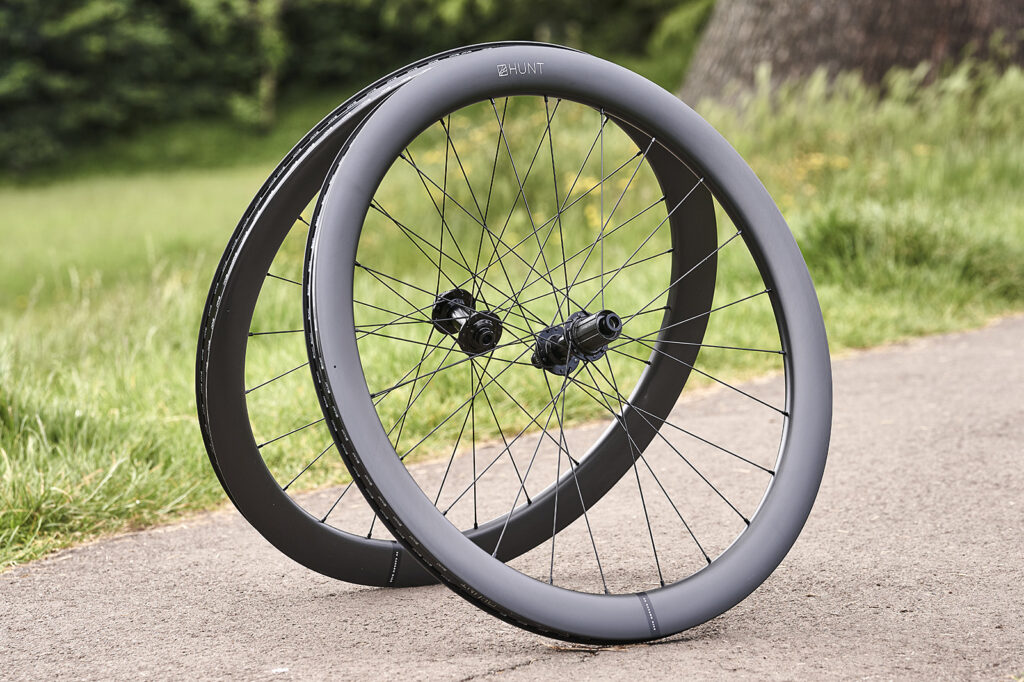
Carbon rims allow manufacturers to optimize aerodynamic profiles. Shallower rim depths around 19mm, as seen on the Hunt 4 Season, minimize aerodynamic drag while maintaining critical stability in crosswinds. This is important in open gravel environments where wind can be unpredictable. The science of how aerodynamics contribute to speed is covered in depth in The Science Behind the Best Carbon Wheels – Aerodynamics that Win Races.
Durability and Performance Characteristics
Modern carbon construction uses heat-treated carbon or hybrid composites. These materials resist fatigue from torque-heavy gravel drivetrains. Asymmetric rim profiles help balance spoke tension for enhanced off-road strength (source, source, source).
Investment Value
A 700c gravel wheelset disc brake in carbon costs more upfront. DT Swiss models start at €2,499 and up. But this premium pricing is justified by longevity, tubeless setup convenience, and performance gains over aluminum alternatives.
Aluminum vs Carbon Comparison Table
| Feature | Aluminum Example (Hunt 4 Season / White CLD) | Carbon Example (DT Swiss GRC / Light Bicycle) |
|---|---|---|
| Weight | 1595g (White CLD) / ~1600g (Hunt 4 Season) | 1298g (DT Swiss GRC) / 913g (Light Bicycle) |
| Rim Depth | 19-23mm | 20-30mm (varies for aero/stability balance) |
| Durability | Heat-treated alloy, high fatigue resistance | Superior stiffness and torque handling |
| Price Range | Lower (varies by model) | €2,499+ / Custom builds |
Sources:
White Industries,
Hunt,
DT Swiss,
Light Bicycle.
For serious gravel cyclists, a 700c disc wheelset carbon is a worthy investment that transforms ride quality.
Section 3: Selecting Your Gravel Wheelset 700c Disc: Key Features and Compatibility
Essential Features for Carbon Disc Wheelsets
When evaluating a gravel wheelset 700c disc, look for these must-have features:
- Tubeless-ready rim design is non-negotiable. Some systems like the Mavic Allroad require no rim tape for tubeless installation, which simplifies setup.
- Spoke specifications matter. J-bend spokes such as Sapim CX Ray are recommended for ease of replacement and serviceability (source).
- Hub engagement affects your riding experience. Ratchet-style hubs like DT Swiss-style 36T provide quick engagement. This is critical for technical gravel climbs where every pedal stroke counts (source, source).
Hub and Spoke Considerations
A 700c disc wheelset carbon needs hubs that handle high torque loads. Look for Ratchet EXP or 360-drive systems. These designs manage the forces generated by gravel drivetrains during hard accelerations and steep climbs.
Spoke lacing patterns matter too. A 28-hole lacing pattern using 2x cross patterns provides optimal gravel strength and durability (source, source, source).
Rim Depth Impact on Performance
Low profile depths between 19-25mm prioritize stability and predictable handling over pure aerodynamic speed. This is essential for technical terrain navigation. You want a wheel that responds predictably when you hit loose gravel or unexpected obstacles (source, source).
Brake Compatibility Features
Carbon wheelsets have unique brake compatibility features you must understand. Disc-specific asymmetric rim designs ensure even braking force distribution. This prevents uneven wear and improves stopping power.
Centerlock interfaces make rotor swaps and maintenance easier compared to 6-bolt systems. If you plan to switch rotors between wheelsets or replace worn rotors, Centerlock saves time (source, source, source).
A well-chosen 700c gravel wheelset disc brake matches your riding style and technical requirements.
Section 4: Terrain Compatibility and Practical Considerations for 700c Gravel Wheelset Disc Brake Systems
Terrain and Use Cases
A gravel wheelset 700c disc excels transitioning from gravel roads to singletrack trails. The wide internal rim widths of 25mm+ allow riders to run lower tire pressures for enhanced traction. You get better grip without risking pinch flats on rough terrain (source, source). This compatibility with wider tires for enhanced performance is a key trend, as discussed in Gravel Bikes with Wider Tires – More Faster.
Drivetrain Compatibility Requirements
Before purchasing a 700c gravel wheelset disc brake, verify freehub compatibility with your drivetrain:
- Shimano HG11: Works with standard Shimano 11-speed road and gravel groupsets
- SRAM XD/XDR: Required for SRAM 12-speed and some 11-speed drivetrains
- Campagnolo N3W: Specifically for EKAR groupsets
Mismatching freehub bodies means your cassette will not fit. Always double-check this spec (source, source).
Durability Concerns for Off-Road Conditions
Off-road riding puts serious stress on wheels. High-quality Sapim spokes combined with high-tension wheel builds are necessary to withstand impacts and maintain true under rough gravel conditions.
Carbon rims require specific tubeless tape and valve selection for proper sealing. Do not use standard rim tape designed for aluminum rims. Carbon-specific products ensure an airtight seal (source, source).
A gravel wheelset 700c disc built with quality components lasts longer and performs better in demanding conditions.
Section 5: Installation Verification and Maintenance Protocols
Step-by-Step Disc Installation Verification
Getting your 700c gravel wheelset disc brake installed correctly is crucial for safety and performance.
For Centerlock rotors: Ensure the rotor seats completely flush against the hub interface. Slide it onto the splines until it stops. Then tighten the lockring to the torque specification in your hub manual.
For 6-bolt rotors: Tighten all bolts evenly in a star pattern. Use a torque wrench to reach manufacturer specifications. Consult your specific hub manual for exact torque values.
Critical test: Check for brake rub on asymmetric rims. The offset profile requires precise caliper alignment. Spin the wheel and listen for rubbing. If you hear contact, adjust the caliper position until the rotor runs cleanly (source, source).
Maintenance Tips for Disc Brake Carbon Wheelsets
Keep your 700c disc wheelset carbon performing at its best with regular maintenance:
- Clean rotors and hub interfaces after every ride. Dirt and oil contamination reduces braking performance significantly.
- Regularly check spoke tension. Off-road impacts can cause tension to drop. If spokes feel loose, true the wheel or take it to a shop.
- For tubeless setups, verify sealant levels every 2-3 months. Top off as needed.
- Ensure proper tubeless tape application on carbon rims. Poor tape adhesion causes air leaks (source, source).
Performance Expectations
Properly installed carbon disc wheelsets deliver tangible benefits. You get stable handling on unknown gravel surfaces. Braking is confident even in wet and muddy conditions. Climbing and racing scenarios show significant advantages over aluminum alternatives (source, source, source). Upgrading your wheels is one of the most impactful changes you can make, a point we emphasize in Instantly Enhance Your Cycling Experience – Start with the Wheels.
A well-maintained 700c gravel wheelset disc brake system provides years of reliable performance.
Conclusion: Decision-Making Framework for Your 700c Gravel Wheelset Disc Brake Purchase
Key Decision Factors
Choosing the right 700c gravel wheelset disc brake comes down to your priorities and budget.
Prioritize carbon construction if you want maximum weight reduction and performance benefits. High-end options like DT Swiss GRC or Light Bicycle custom builds deliver the best ride quality. They cost more but reward you with faster acceleration, better climbing, and superior handling.
Consider aluminum options like the Hunt 4 Season if you need a durable entry-level alternative. These wheels work well for recreational gravel riding and cost significantly less (source, source, source).
Matching to Your Needs
Your final selection must match three things:
- Your drivetrain requirements: Verify freehub compatibility, axle standards, and rotor mount type.
- Your intended terrain: Wider internal rims for rough gravel, shallower profiles for stability.
- Your budget: Carbon for performance, aluminum for value.
Your Next Step
Call-to-action: Consult with a professional bike shop for precise fitment verification. They can confirm axle compatibility, brake rotor fit, and freehub matching. Or explore specific models based on your technical requirements and budget constraints.
The right gravel wheelset 700c disc transforms your gravel bike into a capable off-road machine. Take time to research, verify specifications, and choose wisely. Your riding experience depends on it.
Ready to upgrade your gravel bike with a 700c disc wheelset carbon option? Start by measuring your current axle standards and drivetrain type. Then compare the models discussed in this guide to find your perfect match.
Frequently Asked Questions
-
What is the difference between Centerlock and 6-bolt disc brake mounts?
Centerlock uses a splined interface and a lockring for easy rotor changes, while 6-bolt uses six individual bolts. Centerlock is common on high-end hubs; 6-bolt is more affordable and widely compatible. Choose based on your hub and rotor preferences.
-
How do I choose between carbon and aluminum gravel wheels?
Carbon offers significant weight savings (up to 682g) and better stiffness, ideal for performance-oriented riders. Aluminum is more affordable and durable for recreational riding and heavy loads. The choice depends on budget, weight goals, and riding intensity.
-
What internal rim width is best for gravel riding?
Internal widths of 25–29mm are recommended. These allow you to run lower tire pressures for better traction on loose surfaces while maintaining tubeless compatibility and pinch-flat resistance.
-
Can I use a 700c gravel wheelset on my road bike?
Yes, as long as the axle standards (12×100/12×142) and brake type (disc) match. 700c gravel wheels often have wider rims, which may affect tire fitment on road frames with limited clearance. Check frame clearance before purchasing.
-
How often should I maintain my gravel disc wheelset?
After every ride, clean rotors and hub interfaces. Check spoke tension monthly or after rough rides. For tubeless setups, inspect sealant every 2-3 months and top off as needed. A full service (truing, hub overhaul) annually is recommended.