
Estimated reading time: 18 minutes
Key Takeaways
-
Performance Upgrade: Carbon fiber wheels offer significant advantages in weight, stiffness, and aerodynamics over traditional aluminum wheels, making them a top performance upgrade.
-
Accessibility: The market has grown, with quality carbon wheels now available in budget-friendly price ranges (starting around 500–1,000 USD/€), making them accessible to recreational riders.
-
Durability is a Myth: Modern carbon wheels are highly durable and impact-resistant, dispelling outdated myths about fragility. Disc brake versions further enhance longevity by eliminating rim-based heat issues.
-
Matching is Key: Choosing the right wheel depends on your riding discipline (road, MTB, gravel), typical terrain (flats vs. hills), and budget. Compatibility with your bike’s axle, hub, and braking system is non-negotiable.
-
Tubeless is the Standard: Most modern carbon wheels are tubeless-ready, providing better comfort, lower rolling resistance, and enhanced puncture protection.
Table of contents
The Complete Carbon Fiber Wheels Buying Guide: Choose the Right Carbon Wheels for Your Bike
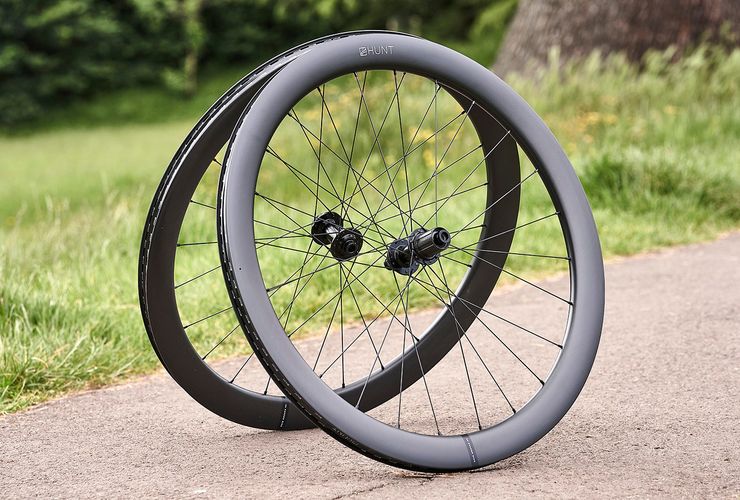
Carbon fiber wheels have transformed from professional racing exclusives into practical performance upgrades for everyday cyclists. These composite structures combine carbon fiber strands embedded in resin, molded into complete wheel systems including rims, and often spokes and hubs. Unlike traditional aluminum or alloy wheels, carbon fiber wheels deliver a powerful combination: lighter weight, superior stiffness, and enhanced aerodynamics—though at a higher price point.
Why Cyclists Are Choosing Carbon Fiber Technology
Modern carbon wheels offer measurable performance advantages that extend well beyond simple weight savings:
Performance advantages include:
-
Lower overall weight for faster acceleration and easier climbing
-
Improved aerodynamics that maintain higher speeds with less effort
-
Better stiffness-to-weight ratio for superior power transfer
-
Increasingly robust durability that rivals aluminum alternatives
The carbon cycling wheels market has democratized significantly. What once demanded professional budgets now includes entry-level and budget-friendly options for ambitious recreational riders. Many quality carbon wheels start around 500–1,000 USD/€, making the technology accessible to a wider audience.
This comprehensive guide covers everything you need to know: carbon technology fundamentals, real-world performance benefits, wheel types and categories, current market leaders among the best carbon wheels, and a practical decision framework for choosing and maintaining your carbon bike wheels.
Understanding Carbon Fiber Wheels Technology
How Carbon Fiber Wheels Differ from Aluminum Wheels
Weight Advantage
Carbon fiber delivers significantly lighter wheels than aluminum for equivalent stiffness levels. This weight advantage translates directly into improved acceleration and climbing performance. When you reduce rotating mass at the wheel, you decrease the energy required for every pedal stroke—particularly noticeable during hard efforts and steep gradients.
Stiffness and Tuning Capability
Higher stiffness improves power transfer and responsiveness during sprints and sustained efforts. Every watt you generate reaches the road with minimal energy loss through flex. However, over-stiff wheels can feel harsh on rough surfaces, transmitting excessive vibration to the rider.
Modern carbon bicycle wheels solve this challenge through sophisticated layup design. Engineers position carbon fiber sheets at specific angles during manufacturing, precisely tuning flex characteristics in ways aluminum construction cannot match. The result: wheels that feel both responsive under power and compliant over rough pavement.
Cost and Repair Complexity
Carbon wheels command premium pricing compared to aluminum alternatives. Repairs require specialized techniques and materials, making them more complex than straightforward aluminum fixes. However, concerns about fragility are largely outdated—modern carbon rims demonstrate far greater durability than early generations from the 1990s and 2000s.
Manufacturing Process of Carbon Bicycle Wheels
The Layup Process
Manufacturing begins with carbon fiber sheets positioned in a mold. Engineers specify precise fiber orientation angles for each layer, creating a layup pattern designed for specific performance characteristics—stiffness in one direction, compliance in another.
Curing Phase
Heat and pressure bond the carbon fibers and resin into a rigid, unified structure. This curing process determines final strength and stiffness properties.
Post-Manufacturing Finishing
After curing, manufacturers drill spoke holes, finish braking surfaces (for rim-brake models), and prepare the rim for lacing with spokes and hubs.
Full Carbon Wheels
Premium models take this further, using carbon spokes and even carbon hubs to minimize weight across every component. These full carbon wheels target serious performance enthusiasts seeking absolute minimum weight.
Why Full Carbon Wheels Are Gaining Popularity
Performance Per Gram
Modern carbon rims achieve something remarkable: they combine aerodynamic shaping, low weight, and improved crosswind stability simultaneously. Earlier wheel designs forced compromises—deep for aero meant poor crosswind handling. Today’s profiles use sophisticated shaping that manages airflow across a wider range of wind angles.
Rim Width Improvements
Wider internal rim widths represent another major advancement. Wider rims improve tire profile shape, creating a more rounded cross-section that enhances grip and boosts comfort. This design allows lower tire pressures—particularly valuable with tubeless setups—which reduces rolling resistance and vibration transmission.
Market Availability
Increasing availability in mid-price brackets (1,000–1,500 USD/€ range) makes full carbon options attainable for ambitious amateurs. You no longer need a professional contract to access wheels that deliver real performance benefits.
Weight Advantages and Performance Benefits
Quality road carbon wheels typically weigh 1,300–1,500 grams per set, compared to 1,600+ grams for premium aluminum wheelsets. That 200–300 gram difference delivers practical impact across multiple riding situations:
Climbing
Lower mass means less energy required on sustained grades. Every climb becomes marginally easier when you’re spinning lighter wheels.Acceleration
Reduced rotational inertia enables faster response out of corners and during attacks. The wheels respond immediately to power application.Long-Distance Fatigue
Cumulative weight savings across the drivetrain reduce overall fatigue on century rides and multi-day tours. Small differences compound over hours in the saddle.
Key Benefits of Carbon Cycling Wheels
Aerodynamic Advantages
Deep and mid-depth carbon rims reduce aerodynamic drag, helping riders maintain higher speeds on flats and rolling terrain. But modern carbon cycling wheels go beyond simple drag reduction—they’re specifically tuned for crosswind stability.
Depth Categories:
-
35–40 mm: Climbing and all-around focus with minimal crosswind sensitivity
-
45–60 mm: Balanced aerodynamics and usability for mixed conditions
-
60+ mm: Maximum aerodynamic advantage for time trials and triathlon
Contemporary rim profiles manage airflow more effectively than older designs. This means deep-section wheels now handle side winds with greater stability, expanding their practical use beyond calm-day racing.
Weight Reduction and Acceleration
Lower rotating mass directly improves acceleration and sprint response. The physics are straightforward: less mass at the wheel means less energy required to change speed. Climbing feels easier because you’re fighting less rotational inertia with every pedal stroke.
This advantage matters most during repeated accelerations—criterium racing, group rides with surging pace, technical climbs with variable gradients.
Stiffness and Power Transfer
Carbon’s high stiffness converts pedaling force into forward motion with minimal flex or energy loss. When you stomp on the pedals during a sprint, stiff carbon wheels respond immediately without deflecting under load.
This benefit proves especially valuable for sprints, competitive racing, and heavier or more powerful riders who generate high forces through the pedals.
Durability and Lifespan
Modern carbon cycling wheels demonstrate very high impact resistance and fatigue life when used within design parameters. Quality manufacturing and improved resin systems have eliminated the fragility concerns that plagued early carbon wheels.
An important note: disc-brake rims eliminate the heat-related braking issues that sometimes affected older rim-brake carbon wheels. Disc systems move braking heat to the rotor at the hub, keeping rim temperatures low and consistent.
Ride Quality and Comfort
Carbon layup can be engineered to absorb vibrations and small bumps, improving comfort and control on rough surfaces. This tunable compliance represents a major advantage over aluminum, which offers limited flexibility in ride-quality tuning.
Wider rims combined with lower pressures—especially in tubeless setups—further enhance comfort by improving tire compliance. The tire absorbs more impact energy before transmitting vibration to the rider.
Types of Carbon Wheels
By Rim Depth: Shallow vs. Deep Section
Shallow-profile wheels prioritize climbing, technical descents, and windy conditions. Their lighter overall weight and neutral handling make them easier to control in gusty crosswinds. Popular choices for mountainous road riding and lighter-weight riders who value handling responsiveness over aerodynamic gains.
The balanced choice for most road cyclists and racers. Mid-depth carbon bike wheels offer decent aerodynamics with manageable weight and acceptable crosswind stability. Versatile enough for mixed terrain and varied conditions—from flat criteriums to rolling road races.
Maximum aerodynamic advantage makes deep-section wheels ideal for time trials, triathlon, and flat-terrain racing. However, they’re heavier than shallower options and noticeably affected by side winds. Generally less versatile—they require stable, calm conditions for optimal benefit and demand more bike-handling skill in variable wind.
By Tire Interface: Tubular vs. Clincher vs. Tubeless
Tubular
Tubular tires glue permanently to the rim, creating an ultra-light system still used in some professional racing contexts. Installation and repair require specialized techniques—replacing a tubular means removing old glue and applying fresh adhesive. Less common for recreational or amateur riders due to maintenance complexity.
Clincher
Traditional tire design with separate inner tube. Widely compatible and easy to live with—most riders know how to fix a flat. Slightly heavier than tubular or tubeless equivalents due to tube weight, but clinchers remain the most established and familiar format for everyday riders.
Run without inner tubes, allowing lower pressures that reduce rolling resistance and improve puncture resistance. Tubeless has become the modern preferred default for carbon wheels. The system requires tubeless-compatible rims (sealed with tape or molded bead seats) and regular sealant maintenance.
Benefits include better comfort and grip, especially on rough surfaces. Check product listings explicitly for “tubeless-ready” designation to ensure compatibility.
Full Carbon Wheels vs. Partial Carbon Construction
Full Carbon Wheels
Full carbon wheels combine carbon fiber rims with high-end hubs. Ultra-premium models feature carbon fiber spokes and carbon hubs for absolute minimum weight. Target audience: serious racers and performance enthusiasts seeking the lowest possible system weight.
These wheels command the highest price tier but deliver maximum weight savings and stiffness benefits. Expect to invest 1,500 USD/€ and up for quality full carbon wheelsets.
Hybrid / Partial Carbon Construction
Examples include aluminum braking tracks (on rim-brake models), mixed materials in lower-cost wheelsets, or carbon rims paired with aluminum hubs. Slightly heavier than full carbon wheels but often more affordable and potentially easier to service.
A good compromise for riders prioritizing value while gaining the primary benefits of carbon rim construction.
Best Carbon Wheels on the Market
Top-Rated Carbon Bicycle Wheels by Category
The Syncros Capital SL Aero stands out as a tested top performer in aero efficiency, stiffness, and crosswind handling. Independent testing consistently ranks these wheels among the best for all-around road use, balancing speed with real-world usability.
Road – Value/Price-Performance
Reserve 52/63 wheelsets earn recognition as value champions in comparative testing. These wheels deliver race-level performance at mid-range pricing, typically in the 800–1,000 € bracket. Several mainstream brands offer similar value propositions in this sweet-spot price range.
Road – Quality/Price Picks
Established brands like Fulcrum and Bontrager produce wheelsets specifically engineered for best value propositions. These models balance reliable performance with accessible pricing, making them excellent first carbon wheels for riders upgrading from aluminum.
MTB – 29″ Carbon MTB Wheels
Lightweight, impact-resistant carbon wheels designed for trail and enduro riding demonstrate clear advantages in stiffness and comfort over aluminum alternatives. Modern 29″ carbon wheels handle technical terrain with confidence while reducing overall bike weight—a valuable combination for demanding mountain riding.
Price Range Comparison
Budget / Entry-Level: 500–1,000 USD/€
Basic carbon wheels suitable for recreational riders focus on compatibility and fundamental performance gains. These wheels deliver noticeable improvements over aluminum while remaining accessible to riders on moderate budgets. Expect reliable performance and basic tubeless-ready construction.
Quality carbon wheels with better hubs, lighter rim layups, and modern tubeless-ready construction define this category. The sweet spot for most performance-oriented riders balancing cost and quality. You get proven reliability, strong manufacturer support, and wheels that perform well across diverse riding conditions.
Ultra-light layups, carbon spokes, premium bearing hubs, and precision manufacturing characterize the high-end category. Target audience: professional racers and serious amateurs accepting premium pricing for marginal weight savings and maximum performance. These represent the best carbon wheels available, though with diminishing returns above certain price points.
Key Point
The 500–1,000 USD/€ bracket represents a reasonable upgrade price point for many recreational cyclists stepping up to carbon fiber wheels. You gain real performance benefits without extreme financial commitment.
Brand Recommendations
Established Performance Brands
Major road and MTB brands offer extensive carbon wheels catalogs backed by proven engineering, comprehensive warranties, and established dealer networks. These manufacturers provide reliable options across all price points and riding disciplines.
Direct-to-Consumer / Online Brands
Direct-sale brands offer strong value through streamlined distribution models. By eliminating traditional retail markups, these companies deliver race-quality carbon bicycle wheels at reduced prices. Research individual brand reputations and warranty support before purchasing.
Performance vs. Value Analysis
Understanding diminishing returns helps make smart purchasing decisions. Beyond a certain price point, improvements become marginal—a 50-gram weight difference or 1–2% aerodynamic gain rarely justifies dramatic price increases for most riders.
Hub quality, build precision, and manufacturer warranty support often matter as much as minor weight differences. A wheelset that’s 50 grams heavier but features smoother hubs and better customer support frequently delivers superior long-term satisfaction.
Prioritize proven reliability and comprehensive support over chasing the absolute lightest option. The best carbon wheels for you balance performance with practical considerations like durability and service availability.
Buying Guide: How to Choose Carbon Wheels
Budget Considerations
Set your budget ceiling first, then shop within that constraint. This approach narrows the field to realistic options and prevents frustrating compatibility research on wheels you can’t afford.
Focus on value-oriented carbon wheels with reliable hubs and basic features. These entry-level options deliver genuine performance improvements over aluminum without requiring major financial commitment.
Mid-range carbon bike wheels offer quality hubs, modern rim profiles, and tubeless-ready designation. This price bracket represents the sweet spot for most enthusiast riders—proven performance without extreme cost.
Race-level full carbon wheels and top-tier brands with premium materials occupy this category. Expect marginal performance gains over mid-range options but maximum refinement in weight, stiffness, and component quality.
Intended Use: Discipline and Terrain Matching
Road Racing / Fast Group Rides
Select mid- to deep-section aero rims for speed advantage on flats and rolling terrain. Prioritize tubeless-ready designation for reliability and compliance. Choose disc or rim brake based on your frame compatibility—most modern bikes specify disc brakes.
Climbing / Mountainous Terrain
Choose lighter, shallower carbon bike wheels (35–40 mm) for better handling and climbing efficiency. Weight savings matter more than aerodynamic profile when fighting gravity. Shallow wheels also handle unpredictable mountain winds with greater stability.
Select wider internal rim widths (typically 25–28 mm internal) for tire versatility with gravel and mixed-surface tires. Ensure strong impact-resistant layup and tubeless capability—puncture protection matters more on remote gravel routes. Look for wheels explicitly rated for rough-surface riding.
Emphasize impact resistance and rim strength for technical trail riding. Select internal rim width matching your intended tire sizes (usually 25–30 mm internal). Check hub engagement frequency for drivetrain smoothness—fast engagement improves traction control on technical climbs.
Wheel Depth Selection Criteria
The depth selection decision tree considers rider weight, local wind conditions, and typical terrain:
-
Light riders or highly windy locations → Shallower profiles (35–40 mm) for control and stability
-
Mixed conditions and most road riders → 40–50 mm all-rounders for balanced performance
-
Flat terrain races and time trials → 60+ mm if crosswind stability is manageable
Additional Depth Factors:
-
Rider weight: Heavier riders can benefit from stiffer deep wheels that resist flex under power
-
Course profile: Climbing-heavy courses favor shallow wheels; flat time-trial courses suit deep wheels
-
Wind conditions: Consistently windy areas make deep sections risky for lighter riders or less experienced bike handlers
Compatibility with Bike Components
Verify these specifications before purchasing any carbon wheels:
Axle Standards
-
Quick release vs. 12 mm thru-axle vs. 15 mm thru-axle (front) vs. 12 mm boost (rear)
-
Check your bike’s current axle type—this is non-negotiable for compatibility
Hub Spacing
-
Road: typically 100 mm front / 130 mm rear (or 142 mm for disc)
-
MTB boost: 110 mm front / 148 mm rear
-
Standard MTB: 100 mm front / 142 mm rear
Freehub Body Type
-
Shimano Hyperglide (most common)
-
SRAM XD (for 10-tooth small cogs)
-
Campagnolo (Italian drivetrains)
-
Microspline (newer Shimano 12-speed)
Cassette Speed Compatibility
Must match your drivetrain: 10-speed, 11-speed, or 12-speed. Some freehub bodies support multiple speeds; others require replacement.
-
Measure rim internal width against intended tire size
-
Check frame brake bridges and seat stays for tire clearance with wider rims
-
Ensure no chain rub on thru-axle or rear stays with wider tire/rim combinations
Braking System Compatibility: Disc vs. Rim
Disc brakes apply braking force to a rotor mounted on the hub, not the rim surface. This design delivers consistent braking in wet and dry conditions with better temperature control during long descents.
Disc brakes represent the modern standard for road, gravel, and MTB applications. They’re increasingly dominant on new bikes across all categories.
Rim-brake systems create a lighter overall setup since they eliminate rotor, adapter, and disc-compatible hub weight. However, braking friction occurs directly on the carbon rim surface, making these wheels more sensitive to heat buildup.
Rim-brake carbon bike wheels require approved carbon-specific brake pads and proper pad setup. Incorrect pad compounds or technique can damage the rim through excessive heat. Less common on new bikes but still available—verify rim braking-surface rating and follow manufacturer pad recommendations carefully.
Maintenance & Care Tips
How to Maintain Carbon Wheels
Regular Inspection Routine
Visually check rims for cracks, deep scratches, or signs of delamination (separating layers) before every ride. Monitor spoke tension monthly using a spoke tensiometer or by listening for changes in wheel trueness—loose spokes create obvious wobbles.
Clean rims and check for embedded debris after wet or muddy rides. Small stones lodged in brake tracks can cause damage over time.
Brake System Maintenance
For disc brakes: Clean rotors and pads regularly with isopropyl alcohol. Replace pads before they glaze or wear to the backing plate.
For rim brakes: Use only approved carbon-specific brake pads. Avoid aggressive pad compounds that generate excessive heat. Keep braking surfaces clean and completely free of oil or contamination—even small amounts ruin braking performance.
Tubeless System Care
Refresh sealant every 6–12 months or when visible leakage occurs. Sealant dries out over time, losing effectiveness. Inspect rim tape and valve compatibility during sealant changes—damaged tape causes slow air loss.
Check for puncture sealing after rides. Most small punctures seal automatically, but verify the sealant has created a stable plug.
Longevity Expectations
With proper use and no major crashes, modern carbon cycling wheels last many years. Durability is no longer a primary concern with quality wheelsets. Manufacturing improvements and better resin systems have eliminated the fragility issues that affected early carbon wheels.
Hub and Bearing Maintenance
Hubs and bearings typically require service or replacement before rims wear out. Regular bearing adjustment and occasional repacking extends hub life significantly. Many manufacturers offer hub overhaul and replacement services through dealers or direct.
Traditional metal spokes last longer than wheels in most cases. Spoke replacement is common maintenance that any competent wheel builder can perform. Carbon spokes (if equipped) rarely break under normal use.
Common Misconceptions About Durability
Myth: “Carbon Breaks Easily“
Reality: Quality carbon fiber wheels are highly impact-resistant and often more fatigue-resistant than aluminum. Modern carbon construction uses tested layup patterns that distribute stress effectively across the rim structure.
Properly manufactured carbon wheels withstand normal riding impacts without issue. The material doesn’t fatigue like aluminum, which can develop cracks from repeated stress cycles.
Myth: “Carbon Wheels Don’t Last”
The 1990s and early 2000s reputation for fragility is completely outdated. Manufacturing techniques and materials have improved dramatically. Today’s carbon wheels routinely outlast aluminum alternatives when maintained properly.
Failures today typically result from crashes, severe misuse (heavy landing after big drops), or rim-brake heat damage from improper technique—not inherent material weakness.
Myth: “Rim Brakes Will Destroy Carbon Wheels“
Rim-brake carbon wheels are safe if you use the correct brake pad compound and technique. Modern rims feature engineered braking surfaces with specific materials designed to handle rim-brake friction. Follow manufacturer recommendations for pad type and replace pads before they contaminate the rim.
Most wheel failures result from external impact or misuse, not inherent material weakness. Proper maintenance and correct brake system use ensure long wheel life comparable to or exceeding aluminum alternatives.
Conclusion & Decision Framework
Summarize Key Buying Criteria as a Step-by-Step Framework
Use this numbered checklist to guide your carbon fiber wheels purchase decision:
-
Define Your Riding Style and Terrain
Road racing, climbing, gravel, or MTB? Your primary riding discipline determines wheel type, depth, and construction priorities. Be honest about where you spend most riding time. -
Set a Realistic Budget Bracket
Under 1,000 USD/€, 1,000–1,500 USD/€, or 1,500+ USD/€? Your budget narrows the field to achievable options and prevents wasted research time on wheels outside your price range. -
Choose Rim Depth Based on Speed vs. Control Priorities and Wind Conditions
- Shallow (≤40 mm) for control and climbing performance
- Mid-depth (40–55 mm) for versatility across varied terrain
- Deep (≥60 mm) for maximum aerodynamics on flat terrain
Confirm Disc vs. Rim Brake, Axle Standards, and Drivetrain Compatibility
Check your bike’s specification sheet before shopping. Verify hub spacing, freehub type, and cassette compatibility match your existing drivetrain. This step prevents expensive compatibility mistakes.
Decide on Tire System: Clincher vs. Tubeless
Tubeless-ready represents the modern default for most new carbon wheels. The system offers better compliance, lower rolling resistance, and superior puncture resistance compared to traditional clincher-and-tube setups.
Compare Weight, Warranty, and Real-World Reviews—Not Just Claimed Specs
Read independent test results and user reviews for specific models you’re considering. Verify warranty coverage and manufacturer support quality. Prioritize proven reliability over marginal weight savings—a wheelset that’s 50 grams heavier but backed by excellent support delivers better long-term value.
Call-to-Action for Next Steps
Create a shortlist of 3–5 wheelset options that match your budget and riding category. Then complete these final research steps:
Cross-Check Compatibility
Verify each option’s specifications against your specific bike’s spec sheet. Confirm axle type, hub spacing, freehub body, and brake compatibility. Double-check before purchasing.
Read Independent Reviews
Study independent wheel tests, brand reviews, and user feedback on cycling forums and review sites. Real-world experience from other riders reveals reliability and performance characteristics that manufacturer specifications cannot capture.
Talk to a trusted local bike shop to confirm fitment and installation requirements if you’re unsure about compatibility. Professional mechanics catch potential issues before they become expensive problems.
Closing Statement
Carbon fiber wheels represent a meaningful investment with tangible performance and riding experience benefits. Understanding your specific needs—as outlined throughout this guide—ensures the carbon bicycle wheels you choose will deliver satisfaction and value for years to come.
Modern carbon wheels have become reliable, affordable, and accessible across multiple price points. They’re no longer reserved for professional racers with unlimited budgets. Whether you’re upgrading your first set of wheels or replacing worn-out aluminum hoops, quality carbon wheels deliver real improvements you’ll feel on every ride.
Choose wisely, maintain properly, and enjoy the performance advantages that carbon fiber wheels bring to your cycling.
Frequently Asked Questions
Are carbon wheels worth the money for a recreational cyclist?
Absolutely. With entry-level options now available in the 500-1,000 USD/€ range, recreational riders can experience significant performance gains in weight, acceleration, and ride quality without needing a professional budget. They represent one of the most impactful upgrades you can make.
What’s more important: aerodynamics (deep rims) or weight (shallow rims)?
It depends entirely on your typical riding. If you ride mostly flat or rolling terrain at speed, the aerodynamic benefits of mid-to-deep section rims (40mm+) will be more valuable. If your rides involve a lot of climbing or take place in very windy areas, the lower weight and superior handling of shallow rims (under 40mm) are a better choice.
Are carbon wheels durable enough for daily riding and rough roads?
Yes. The myth of fragile carbon is outdated. Modern carbon wheels are engineered for high impact resistance and fatigue life, often exceeding that of their aluminum counterparts. For gravel or particularly rough roads, look for wheels specifically designed with a more robust layup for those conditions.
Do I need disc brakes for carbon wheels?
While not strictly necessary (rim brake versions still exist), disc brakes are highly recommended. They offer superior, consistent braking in all weather conditions and eliminate the risk of heat-related damage to the carbon rim during long descents. Most new high-performance bikes come with disc brakes as standard.
What is the single most important thing to check before buying carbon wheels?
Compatibility. Before you even consider weight or aerodynamics, you must confirm that the wheels match your bike’s axle standards (e.g., thru-axle vs. quick release), hub spacing (e.g., 142mm vs. 148mm Boost), braking system (disc vs. rim), and freehub body type (e.g., Shimano HG, SRAM XDR). An incompatible wheel is a useless wheel.

