
Estimated reading time: 18 minutes
Key Takeaways
- Match Wheels to Your Riding Style: The most critical factor is choosing a wheelset that aligns with your primary use—be it climbing, flat-road racing, gravel, or all-around riding.
- Rim Depth is a Key Decision: Shallow rims (30-38mm) excel at climbing and handling in wind, mid-depth rims (45-50mm) offer versatility, and deep rims (58mm+) provide maximum aerodynamic advantage on flat courses.
- Compatibility is Non-Negotiable: Always confirm that the wheels match your bike’s brake type (disc vs. rim), axle standard, and cassette compatibility before purchasing.
- Budget Dictates Quality: Carbon wheels are available in value ($900-$1,500), performance ($2,000-$3,000), and premium ($3,000+) tiers, with significant jumps in material quality, hub performance, and weight savings.
- Don’t Overlook Build Quality: Hub serviceability, spoke quality, and warranty support are crucial indicators of long-term durability and value, often more important than weight alone.
Table of Contents
- Why Cyclists Upgrade to Carbon Wheels
- Understanding Carbon Wheel Construction
- Key Selection Criteria for Choosing Carbon Wheels
- Carbon Wheels for Different Cycling Disciplines
- Budget Guide: Choosing the Right Price Tier
- Step-by-Step Buying Process
- Maintenance and Care for Carbon Wheels
- Common Buyer Questions and Concerns
- Conclusion and Final Recommendations
The Complete Carbon Fiber Wheels Buying Guide: How to Choose the Right Wheelset for Your Riding Style
Upgrading to carbon fiber wheels is one of the most impactful decisions a cyclist can make, but choosing the right set requires understanding more than just brand names.
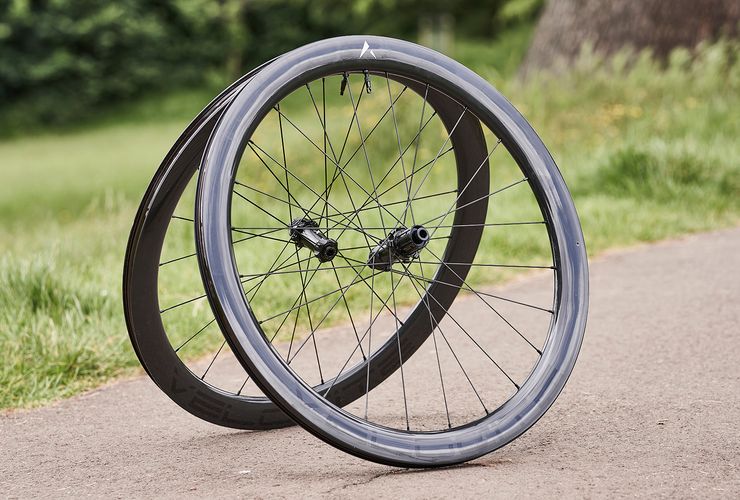
Carbon fiber wheels are wheelsets built around carbon-fiber rims, paired with hubs and spokes like other modern wheels. These high-performance components have become increasingly popular across all cycling disciplines, from road racing to mountain biking.
The purpose of this guide is simple: to help you make an informed decision based on your specific needs, budget, and riding style. The best choice depends less on brand hype and more on your terrain, brake type, budget, and how you actually ride.
Whether you’re a competitive racer seeking marginal gains or a recreational cyclist looking to enhance your weekend rides, understanding the key factors behind carbon bike wheels will help you invest wisely and match the right wheelset to your actual riding conditions.
Why Cyclists Upgrade to Carbon Wheels
Weight Reduction for Performance
Carbon wheels are commonly chosen to reduce rotational weight, which helps with climbing and acceleration. Unlike frame weight, rotational weight at the wheels has a more noticeable impact on how your bike feels and responds.
Every gram you remove from your wheels makes a difference during climbs and sprint efforts. When you’re pushing hard up a steep gradient or accelerating out of a corner, lighter carbon bicycle wheels respond more quickly than heavier alternatives.
This weight advantage is particularly valuable for hill climbs and sprint acceleration, where every pedal stroke counts. Competitive cyclists often notice the difference immediately, while recreational riders appreciate the reduced effort required on long climbs.
Aerodynamic Advantages
Deeper carbon rims can improve speed on flatter roads and in racing conditions. Carbon fiber wheels are lighter, stiffer, and often more aerodynamic than many alloy alternatives, which is why they’re a common upgrade for riders who want better climbing, speed, and overall performance.
The aerodynamic profile of carbon cycling wheels allows you to maintain higher speeds with less effort, especially at speeds above 15-20 mph. Wind tunnel testing has repeatedly shown that wheel aerodynamics can save more watts than many other bike modifications.
This is why full carbon wheels dominate in criteriums, time trials, and flat road races. The combination of reduced weight and improved aerodynamics creates a noticeable performance advantage that competitors can measure in race results.
Improved Ride Feel
Many riders prefer the firmer, more responsive feel of carbon wheelsets. This characteristic gives you better power transfer and a more direct connection between your pedaling effort and forward motion.
The stiffness of carbon wheels doesn’t mean they’re uncomfortable. Modern carbon rim designs balance lateral stiffness for efficient power transfer with enough vertical compliance to absorb road vibration. The result is a ride that feels lively and responsive without beating you up on rough surfaces.
Experienced cyclists often describe the difference as feeling “more connected” to the road. Each pedal stroke feels more purposeful, and the bike responds more predictably to steering and weight shifts.
Performance-Focused Use Cases
Carbon is most compelling when you want a wheelset matched to a specific use case rather than a general-purpose upgrade. The best carbon wheels deliver targeted performance advantages for particular riding styles and conditions.
Rather than thinking of carbon wheels as a universal upgrade, smart buyers recognize them as specialized tools. A climbing wheelset optimized for mountain stages looks and performs very differently from a time trial wheelset designed for flat courses.
This specificity means you can optimize your ride experience for exactly what you do most. Whether that’s conquering mountain passes, competing in criteriums, or tackling gravel adventures, there’s a carbon wheelset engineered specifically for your needs.
Understanding Carbon Wheel Construction
What Makes a Carbon Wheel
Carbon bike wheels are wheelsets built around carbon-fiber rims, paired with hubs and spokes like other modern wheels. Understanding each component helps you evaluate quality and performance.
The carbon rim forms the foundation of the wheelset. Manufacturers construct these rims by layering carbon fiber sheets in specific patterns, then curing them under heat and pressure. This process creates a structure that’s both lightweight and incredibly strong.
Hubs sit at the center of each wheel, containing the bearings that allow smooth rotation. Quality hubs use sealed cartridge bearings that protect against dirt and moisture while providing smooth, efficient rotation.
Spokes connect the rim to the hub, transferring your pedaling force from the hub to the road. Most carbon wheels use either traditional round spokes or bladed aero spokes, depending on the wheelset’s intended purpose.
These components work together as an integrated system. The rim provides the structure, the hub enables rotation, and the spokes transfer force while maintaining the wheel’s shape.
Full Carbon Wheels vs. Carbon Rim Alternatives
In practice, buyers usually compare full carbon wheelsets rather than “carbon rim” pieces. The term “carbon wheel” typically refers to the complete wheelset, not just carbon rim components bolted to random hubs.
Rim depth, width, hub quality, and spoke layout all affect performance and durability. A cheap hub paired with a high-quality carbon rim creates an unbalanced wheelset that won’t perform to its potential.
Quality manufacturers design their carbon cycling wheels as complete systems. They match rim stiffness to hub strength, select spoke counts that balance weight and durability, and ensure all components work together harmoniously.
When shopping for carbon wheels, evaluate the entire package. A wheelset is only as good as its weakest component, and the best carbon wheels optimize every element for the intended use case.
Why Specifications Matter
Even among full carbon wheels, specifications vary significantly and impact suitability for different riding styles. Two wheelsets might look similar in photos but deliver completely different performance on the road.
Rim width affects tire profile and aerodynamics. Wider internal rim widths support modern wider tires more effectively, improving cornering grip and comfort.
Hub specifications determine long-term reliability and maintenance requirements. Serviceable bearings, quality freehub mechanisms, and robust axle standards all contribute to wheelset longevity.
Spoke count balances weight against durability. Fewer spokes save weight but may sacrifice strength, while more spokes add reliability at a small weight penalty.
Understanding these specifications helps you match carbon bicycle wheels to your actual riding needs rather than just buying based on appearance or price.
Key Selection Criteria for Choosing Carbon Wheels
Rim Depth: The Biggest Buying Decision
Rim depth is one of the clearest ways to match a wheel to your riding style. This single specification dramatically affects aerodynamics, weight, handling, and real-world performance.
Shallow rims are typically better for climbing and handling in wind, while deeper rims are favored for flatter courses and criteriums. Understanding these tradeoffs helps you choose the right profile for your riding.
Shallow: 30-38mm Rim Depth
Shallow carbon wheels excel at climbing and all-around control. Their reduced weight makes a noticeable difference on sustained climbs, and their lower profile cuts through crosswinds more predictably.
These wheels are ideal for riders prioritizing handling and weight savings. If you regularly tackle steep mountain passes or ride in windy conditions, shallow rims deliver better performance than deeper alternatives.
- Better performance in crosswinds makes shallow wheels the smart choice for riders who frequently encounter gusty conditions. You’ll maintain better bike control and feel more confident descending technical roads.
- Weight-conscious climbers appreciate every gram saved. Shallow-profile carbon wheels often represent the lightest option, maximizing your climbing efficiency.
Mid-Range: 45-50mm Rim Depth
Mid-depth carbon wheels offer a good balance for mixed riding, gran fondos, and all-round road use. These versatile wheelsets work well across various terrains and riding situations.
This versatile option suits most road cyclists who encounter both climbs and flats. You get meaningful aerodynamic benefits on flatter sections while maintaining manageable handling characteristics.
- These wheels combine aero benefits with manageable handling. The aerodynamic advantage becomes noticeable at speeds above 15-20 mph, yet the wheels remain controllable in moderate crosswinds.
- For riders who don’t want to compromise, mid-depth represents the goldilocks zone. You sacrifice neither climbing ability nor aerodynamic performance, making these the best carbon wheels for diverse riding conditions.
Deep: 58-60mm+ Rim Depth
Deep-section wheels are better for flat racing and time-trial-style speed gains. These aero-focused wheelsets deliver maximum aerodynamic advantage in the right conditions.
Deep rims require specific riding conditions and skill. They work best on flat courses with minimal wind, where their aerodynamic profile generates the most benefit.
- Crosswinds can be challenging with deep wheels. The large side profile catches wind more aggressively, requiring stronger bike handling skills and greater awareness of weather conditions.
- Competitive racers and time trialists accept these handling compromises for the aerodynamic advantage. In the right conditions, deep carbon fiber wheels can save significant watts and deliver measurable speed improvements.
Brake Type Compatibility (Disc vs. Rim Brake)
You need to buy a wheelset made for your brake system. This compatibility requirement is non-negotiable and affects both safety and performance.
Disc-brake carbon wheels and rim-brake carbon wheels are not interchangeable in normal use. The rim construction, brake track design, and spoke patterns differ significantly between the two systems.
Rim-brake users should pay extra attention to the braking surface and heat management. Carbon rims require specific brake pads designed for carbon surfaces, and excessive heat buildup during long descents can damage the rim.
Always verify brake compatibility before making a purchase. Check your current bike’s specifications and ensure the carbon wheels you’re considering match exactly.
Weight Specifications
Lighter isn’t always better if durability or aero matters more. Understanding this principle helps you prioritize weight appropriately for your riding style.
Prioritize weight based on your riding goals. Climbers benefit most from weight savings, while time trialists and flat-course racers often get better value from aerodynamic gains even if wheels are slightly heavier.
Weight differences matter differently to various cyclist types. A 100-gram reduction might be race-winning for a competitive climber but barely noticeable for a recreational rider on flat terrain.
Consider the entire performance package rather than obsessing over weight alone. The best carbon wheels balance weight, aerodynamics, durability, and ride quality to match your specific needs.
Hub Quality
Quality hubs feature serviceable bearings, good freehub design, and strong engagement. These characteristics determine long-term reliability and ride quality.
Hub quality represents an often-overlooked factor that affects long-term value. Premium hubs roll more smoothly, engage faster, and last significantly longer than budget alternatives.
- Serviceable bearings allow you to maintain your wheels rather than replace them. When bearings wear out, quality hubs let you press in fresh bearings for a fraction of the cost of new wheels.
- Strong engagement improves pedaling response. More engagement points mean less delay between pedaling and power transfer, creating a more responsive feel especially during technical riding or sprints.
Tire Compatibility
Tubeless-ready rims are common and often preferred among modern carbon cycling wheels. This technology offers significant advantages for both performance and reliability.
Tubeless setup is especially useful for performance and puncture resistance. Running tubeless allows lower tire pressures for better grip and comfort while reducing puncture risk.
Modern carbon bicycle wheels typically accommodate a range of tire widths. Check the manufacturer’s specifications to ensure compatibility with your preferred tire sizes.
Internal rim width affects tire profile and performance. Wider internal widths support modern wider tires more effectively, optimizing the tire’s contact patch and improving cornering characteristics.
Carbon Wheels for Different Cycling Disciplines
Road Cycling Carbon Wheels
Carbon road wheels are most commonly chosen for climbing, aerodynamics, and race performance. The road cycling market offers the widest selection of carbon wheelsets across all price ranges and specifications.
Rim depth selection matters significantly for road cycling. Climbing-focused riders typically choose 30-38mm shallow wheels, while racers competing on flat courses often prefer 50-60mm deep sections.
Modern road bikes increasingly feature disc brakes, expanding compatibility options. This shift has improved braking performance and opened up wider rim designs that optimize tire performance.
Weight targets for road cycling wheelsets vary by purpose. Climbing wheels typically weigh 1,300-1,400 grams per set, while aero wheels may reach 1,500-1,700 grams as they prioritize aerodynamic efficiency over pure weight savings.
Gravel and Mixed Terrain
For gravel riding, a more versatile rim profile and strong durability matter more than the deepest aero profile. Gravel carbon wheels must handle diverse surfaces from smooth pavement to rough dirt roads.
Gravel riders need wheels that can handle varied surfaces. Durability becomes more important than marginal aerodynamic gains, as impact resistance protects your investment on rough terrain.
Mid-depth rims (45-50mm) offer good versatility for gravel. This depth provides some aerodynamic benefit on paved sections while maintaining manageable handling on technical dirt roads.
Tire clearance considerations become crucial for gravel wheels. Ensure your chosen wheelset accommodates the wider tires (typically 35-45mm) that gravel riding demands.
Tubeless compatibility is nearly mandatory for gravel. The ability to run lower pressures improves comfort and traction while reducing the risk of pinch flats on rough surfaces.
Mountain Biking Applications
Carbon MTB wheels are typically evaluated for impact resistance, trail compliance, and weight savings rather than pure aerodynamics. Mountain biking places different demands on wheels compared to road cycling.
Off-road riding requires specific considerations. Impact resistance matters more than aerodynamics, as rocks, roots, and rough terrain constantly challenge wheel strength.
Durability and repair considerations become more important for mountain biking. Carbon wheels must withstand significant impacts, and potential damage from trail obstacles requires careful consideration.
Rim width requirements differ for mountain biking. Wider rims support wider tires more effectively, optimizing tire profile for improved traction and stability on technical terrain.
Despite the demanding conditions, many mountain bikers embrace carbon wheels for their combination of light weight and stiffness, which improves climbing efficiency and handling precision.
Recreational vs. Racing Use
Racers usually justify deeper, lighter, more specialized wheels while recreational riders often get better value from mid-depth all-rounders. Understanding this distinction helps you invest appropriately.
Honestly assess your riding frequency and goals before committing to expensive specialized wheels. Weekend recreational riders rarely need the same equipment as competitive racers.
The ROI perspective differs significantly between cyclist types. Racers seeking competitive advantages justify premium pricing, while recreational riders should prioritize versatility and value.
Recreational cyclists often benefit more from the reliability and versatility of mid-range carbon wheels than from the marginal gains of premium racing wheels.
Budget Guide: Choosing the Right Price Tier
Introduction to Pricing Structure
Carbon wheel pricing is often grouped into three practical tiers. Each tier offers genuine benefits aligned with different buyer needs and expectations.
Understanding these price brackets helps you set realistic expectations. Higher prices generally reflect better materials, more refined manufacturing, superior components, and stronger warranty support.
Entry-Level / Value Tier ($900-$1,500)
This price range suits riders who want carbon benefits without premium pricing. Entry-level carbon wheels deliver real performance improvements over aluminum at accessible prices.
What you get: Carbon construction, moderate rim depths, and reliable performance. These wheels use proven manufacturing techniques and solid component specifications.
What’s compromised: Weight savings may be less dramatic compared to premium options. Hub quality remains functional but less refined, with serviceable but not premium bearings.
Best for:
- Budget-conscious cyclists making their first carbon upgrade
- Recreational riders who don’t need race-day performance
- Beginners to carbon wheels who want to experience the benefits
Entry-level carbon wheels represent excellent value for riders who want to improve their bikes without extreme spending.
Mid-Range / Performance Tier ($2,000-$3,000)
This tier features stronger hubs, better materials, and more refined designs. The mid-range represents the sweet spot for serious cyclists seeking genuine performance improvements.
What improves: Wheels become noticeably lighter through better carbon layup and rim construction. Ride quality becomes more refined with better vibration damping. Hub bearings roll more smoothly and last longer. Warranty support typically strengthens significantly.
The performance jump from entry-level becomes immediately apparent. Lighter weight improves climbing, better hubs enhance ride quality, and refined aerodynamics deliver measurable speed gains.
Best for:
- Serious cyclists who ride frequently
- Regular racers seeking competitive advantages
- Riders wanting genuine performance improvement
Most dedicated cyclists find best overall value in this tier, balancing performance, quality, and price effectively.
Premium Tier ($3,000+)
Premium carbon wheels offer top-tier weight savings, aero development, and advanced construction. These represent the pinnacle of carbon wheel technology.
What’s included: The lightest materials available, most refined designs from extensive wind tunnel testing, cutting-edge aero research, and premium hub components with the smoothest bearings and fastest engagement.
Target market: Professional racers competing at the highest levels, wealthy enthusiasts who want the absolute best, and performance-obsessed cyclists willing to pay for marginal gains.
Best for:
- Racers competing at high levels where every watt matters
- Cyclists with unlimited budgets
- Those who want the absolute best available
Premium wheels deliver real performance advantages, but the cost-per-watt improvement increases dramatically compared to mid-range options.
Value Perspective
Calculate value by considering cost per gram saved and performance improvement per dollar spent. This analysis helps you spend wisely.
Most cyclists get best value in the mid-range tier. The jump from entry-level to mid-range delivers significant improvements, while the jump from mid-range to premium offers diminishing returns for most riders.
Brand premium varies significantly across the market. Smart shopping means comparing actual specifications rather than just paying for brand recognition.
Step-by-Step Buying Process
Step 1: Define Your Riding Goal
Ask yourself to identify your primary use: climbing, racing, endurance, gravel, or MTB. This fundamental question determines everything else about your wheel choice.
This decision determines rim depth, hub needs, and durability requirements. A climbing specialist needs completely different wheels than a criterium racer or gravel adventurer.
Guiding questions:
- Do I race or ride casually?
- Do I primarily climb or ride flats?
- What surfaces do I ride on most?
- What are my performance priorities?
Honest answers to these questions immediately narrow your options and prevent expensive mismatches.
Step 2: Check Compatibility Requirements
Create a compatibility checklist covering brake type, axle standard, cassette compatibility, tire width, and tubeless support. Gathering this information prevents costly compatibility mistakes.
Find this information from your current bike specifications. Check your bike manufacturer’s website, owner’s manual, or examine your current wheels directly.
Compatibility mistakes prove costly because incompatible wheels can’t be used. Unlike clothing that can be returned, wheelset compatibility issues may not be discovered until installation attempt.
Critical compatibility factors:
- Brake type (disc or rim)
- Axle standard (quick release, thru-axle diameter and length)
- Freehub type (Shimano/SRAM, Campagnolo, XD, XDR, or Micro Spline)
- Frame tire clearance
- Rotor mounting (6-bolt or centerlock for disc brakes)
Step 3: Choose Rim Depth
This represents the single most important decision after compatibility. Rim depth dramatically affects your riding experience and wheel performance.
Review the rim depth section for detailed guidance on choosing between shallow, mid-depth, and deep options.
Quick reference:
- Shallow (30-38mm) for climbing and control
- Mid-depth (45-50mm) for versatility
- Deep (58-60mm+) for aero speed on flat courses
Match depth to your actual riding conditions rather than aspirational goals.
Step 4: Set a Budget
Reference the budget guide section to understand what each price tier offers. Decide whether you want value, performance, or premium based on your financial situation and performance expectations.
Each tier offers genuine value at its price point. Entry-level delivers solid performance, mid-range provides the best performance-per-dollar, and premium offers ultimate performance for those who can afford it.
Budget should factor in gear longevity expectations. Higher-quality wheels typically last longer and maintain performance better, potentially offering better long-term value despite higher initial cost.
Step 5: Inspect Build Quality
Critical build quality indicators include hub serviceability, spoke quality, and warranty support. These details reveal manufacturer care and predict long-term satisfaction.
What to look for in product descriptions:
- Sealed cartridge bearings (better than loose ball bearings)
- Serviceable hub design (replaceable bearings)
- Quality spoke brands and appropriate spoke count
- Clear warranty terms and duration
- Detailed technical specifications
Check reviews for long-term durability feedback. Real-world user experiences reveal issues that specifications alone can’t predict.
Step 6: Buy from a Reputable Seller
Purchase from sellers with clear specifications and support. Warranty and condition matter especially for higher-priced wheels.
Established retailers offer better support than marketplace sellers for expensive wheels. You’re investing significant money in carbon fiber wheels, so proper support and return policies become crucial.
Get written confirmation of specifications before purchase. This documentation protects you if the wheels don’t match the listing description.
Look for sellers who:
- Provide detailed technical specifications
- Offer clear warranty terms
- Have responsive customer service
- Include proper packaging and shipping insurance
- Accept returns if specifications don’t match
Maintenance and Care for Carbon Wheels
Regular Inspection Routine
Carbon wheels need regular inspection for scratches, cracks, spoke tension, and hub condition, especially on used or older wheels. Proactive maintenance prevents small issues from becoming safety hazards.
Inspection frequency guidance:
- After any significant impact or crash
- After heavy use (long rides, races, rough terrain)
- Monthly during regular riding season
- Before any major event or long ride
What each type of damage means:
- Surface scratches: Usually cosmetic unless deep
- Cracks: Potentially catastrophic, require professional evaluation
- Loose spokes: Affect wheel strength and trueness
- Rough hub bearings: Reduce efficiency and indicate maintenance need
Longevity Expectations
Properly maintained carbon wheels can last many years. Quality wheelsets often outlast their hubs, which can be serviced or replaced to extend overall wheel life.
Factors that extend lifespan include proper storage, careful handling, regular maintenance, appropriate use for intended purpose, and prompt attention to issues.
Factors that reduce lifespan include impacts and crashes, improper storage, neglected maintenance, using wheels beyond their design parameters, and exposure to excessive heat (especially rim-brake wheels).
Hub maintenance often becomes the limiting factor rather than the carbon itself. Quality hubs can be rebuilt multiple times, extending total wheelset life significantly.
Buying Used Carbon Wheels: Inspection Guide
Used carbon wheels can be safe, but only after careful inspection. Smart buyers can find excellent deals on used wheels while avoiding damaged goods.
Detailed used-wheel inspection checklist:
- Check the rim surface for cracks, scratches, or delamination. Run your fingers around the entire rim feeling for irregularities. Look carefully at both sides of the rim in good lighting.
- Inspect spoke holes for damage. Look for cracks radiating from spoke holes or loose spoke nipples that indicate structural issues.
- Examine the braking surface on rim-brake models. Excessive wear creates a concave profile and thins the rim walls, eventually leading to failure.
- Look for any signs of poor storage or impact damage. Check for flat spots, dents, or areas where the rim appears deformed.
- Test hub smoothness and freehub engagement. Spin each wheel and listen for grinding or rough spots. Check that the freehub engages properly without excessive play.
Significant damage may render wheels unsafe or unrepairable. When in doubt, have a professional bike mechanic inspect used wheels before purchasing.
Repair Considerations
Carbon wheels have limited repairability compared to alloy wheels. Unlike aluminum rims that can sometimes be straightened, damaged carbon typically can’t be bent back into shape.
Professional carbon repair exists but is often expensive. Specialized facilities can repair some types of damage, but costs often approach half the price of new wheels.
Treat carbon wheels with care to avoid damage. Prevention remains far more cost-effective than repair.
Some damage is catastrophic and requires replacement. Significant cracks, delamination, or structural compromise mean the wheel must be retired for safety.
Storage and Protection
Proper storage extends wheel life significantly. Store wheels in a cool, dry location away from direct sunlight and temperature extremes.
Environmental factors that degrade carbon include excessive UV exposure, extreme temperature cycling, and prolonged moisture exposure.
For expensive wheelsets, invest in proper wheel bags when transporting. Protection during travel prevents damage from impacts and shifting cargo.
Common Buyer Questions and Concerns
Question 1: Are Carbon Wheels Worth It?
Yes, if you care about weight, aerodynamics, or a more race-oriented ride feel. Carbon wheels deliver real performance benefits that justify the investment for the right cyclist.
Whether carbon wheels are “worth it” depends on individual priorities and budget. Competitive cyclists and performance-focused riders typically find excellent value in carbon wheels.
Typical performance gains:
- 200-400 grams weight reduction from mid-range aluminum wheels
- 5-15 watts aerodynamic savings at racing speeds (deeper rims)
- Noticeably improved acceleration and climbing response
- More precise handling characteristics
Non-racers can also benefit from carbon wheels. The improved ride quality, reduced fatigue on long rides, and enhanced bike handling benefit recreational riders as well.
Question 2: Should I Buy the Deepest Rim I Can Afford?
Not always; deeper rims can be less manageable in wind and less ideal for climbing. Deeper isn’t automatically better and can be counterproductive for many riders.
Deep rims make most sense for specific riding conditions: flat courses, calm wind conditions, time trials and triathlons, and riders with excellent bike handling skills.
Shallower rims often work better for hilly terrain, frequent crosswinds, technical descents, and riders prioritizing control over pure speed.
Match rim depth to your actual riding conditions rather than choosing the deepest option available. The best carbon wheels for you match where and how you actually ride.
Question 3: Are Used Carbon Wheels Safe?
They can be, but only after careful inspection for cracks, wear, and hub or spoke issues. Many cyclists safely purchase and ride used carbon wheels, but thorough inspection remains essential.
Red flags indicating wheels should be avoided:
- Any visible cracks in the carbon
- Deep scratches that penetrate multiple layers
- Delamination or areas where carbon layers separate
- Significant wobble that can’t be trued
- Grinding or rough hub bearings
- Missing or unclear service history
The risk-reward calculation for used wheels depends on price, condition, and your inspection ability. Significant savings can justify purchasing used, but only from reputable sellers with clear condition disclosure.
Question 4: What Matters Most Overall?
Matching rim depth, brake type, and wheel quality to your riding style matters more than chasing the lightest or most expensive option. Fit matters more than specs alone.
The difference between theoretically best wheels and practically best wheels for individual riders is significant. Racing professionals need different wheels than weekend recreational riders.
Many buyers over-optimize on weight or aerodynamics while neglecting compatibility, durability, or ride quality. Balanced decision-making considers all factors rather than maximizing one specification.
The best carbon wheels for you match your actual riding style, physical abilities, typical terrain, and budget—not what professional racers use.
Additional Common Questions
“How do I know my brake type?”
Look at your current wheels and frame. Disc brakes have rotors mounted to the wheel hub with calipers attached to the frame or fork. Rim brakes have calipers that squeeze the rim itself.
“What’s tubeless and do I need it?”
Tubeless tires mount directly to the rim without inner tubes, using sealant to prevent air loss. Benefits include lower rolling resistance, better puncture resistance, and ability to run lower pressures for improved comfort and grip. Most modern carbon wheels support tubeless, making it worth considering.
“Is my current bike compatible with carbon wheels?”
Check your frame specifications for brake type, axle standard, and tire clearance. Most modern bikes accept carbon wheel upgrades, but older bikes may have compatibility limitations.
“Should I upgrade to carbon wheels or save for a new bike?”
If your current bike fits well and has quality frame and components, carbon wheels often provide better performance-per-dollar than a complete bike upgrade. However, if your bike has fundamental fit or component issues, address those first.
Conclusion and Final Recommendations
Summary of Decision Framework
The main factors for choosing carbon fiber wheels include riding goals, compatibility requirements, rim depth selection, budget allocation, and build quality evaluation.
There’s no single “best” carbon wheel option that suits everyone. The best choice varies based on individual needs, riding style, terrain, and budget. Understanding this principle prevents disappointment and ensures satisfaction with your purchase.
Final Recommendation Philosophy
The best choice depends less on brand hype and more on your terrain, brake type, budget, and how you actually ride. Informed buyers who match wheels to their specific needs consistently make better purchasing decisions than those chasing marketing claims.
Focus on finding carbon bicycle wheels that match your actual riding rather than aspirational goals. Buy for the rides you do regularly, not for the rides you imagine doing someday.
Call to Action
Use the step-by-step process outlined in this guide immediately. Start by gathering your current bike specifications and honestly assessing your riding goals.
Consider testing wheels if possible before committing to premium prices. Many bike shops offer demo programs, and some cycling clubs facilitate member equipment testing.
Seek support from knowledgeable bike shops or online cycling communities to help validate your decisions. Experienced cyclists can provide perspective on real-world performance that specifications alone can’t capture.
Closing Statement
Upgrading to carbon fiber wheels represents an exciting investment in your cycling experience. With proper research and careful matching of wheel criteria to your specific needs, you’ll find exactly the right wheelset.
This comprehensive guide provides all the necessary information to make confident purchasing decisions. Whether you choose entry-level carbon wheels or premium racing wheelsets, informed decisions lead to greater satisfaction and better value.
The best carbon wheels are the ones that match your riding style, enhance your cycling experience, and deliver value appropriate to your budget. Use this guide to find your perfect match.

