
Estimated reading time: 23 minutes
Key Takeaways
- Primary Benefits: Carbon wheels are chosen for their reduced weight, aerodynamic efficiency, and stiff ride feel, which translate to faster acceleration, easier climbing, and better speed maintenance.
- No “One-Size-Fits-All”: The “best” carbon wheelset is highly dependent on your specific riding style, primary terrain (climbing vs. flats), bike’s brake type (disc vs. rim), and tire preferences.
- Key Evaluation Factors: When buying, you must evaluate rim depth, total wheelset weight, brake type compatibility, hub quality, internal rim width, and axle standards to ensure performance and compatibility.
- Budget and Brand Matter: Prices range from accessible direct-to-consumer brands to premium options like Specialized and ENVE. Higher prices often correlate with better hub quality, extensive warranties, and crash replacement programs.
- Maintenance is Critical: Proper care, including regular inspections for cracks, verifying tire compatibility, and servicing hubs, is essential for ensuring the safety, performance, and longevity of your investment.
Table of Contents
Carbon Fiber Wheels Buying Guide: How to Choose the Best Set for Your Riding Style
Introduction
Carbon fiber wheels are lightweight, performance-oriented bike wheels made with carbon composite rims, chosen primarily for their lower weight, aerodynamic efficiency, and stiff ride feel. These high-performance components have become increasingly popular among road cyclists, gravel riders, and track racers who want to maximize speed and responsiveness.
Carbon fiber wheels reduce rotating mass and improve aerodynamic performance compared with traditional aluminum wheelsets, especially in road and racing setups. The weight savings translate directly to easier acceleration and climbing, while aerodynamic rim profiles help maintain higher speeds with less effort on flat terrain.
But here’s the critical insight: the “best” carbon wheels depend on terrain, brake type, tire width, and whether the rider prioritizes climbing, speed, or durability. Not all carbon bicycle wheels are interchangeable. A deep-section wheelset optimized for time trials performs poorly on steep climbs. A lightweight climbing wheel won’t deliver maximum speed on flat courses.
This guide will help you match wheel type, depth, brake standard, and budget to your specific riding style. Whether you’re climbing mountain passes, racing criteriums, exploring gravel roads, or riding the velodrome, you’ll learn exactly which carbon bike wheels characteristics matter most for your goals.
What Are Carbon Wheels?
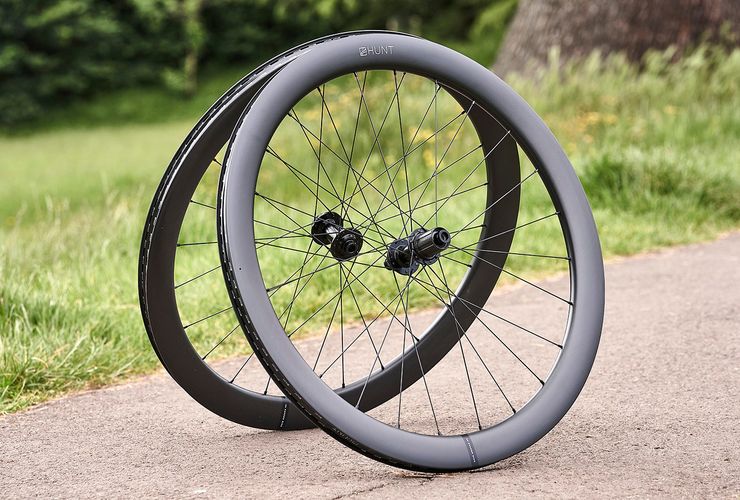
Carbon wheels are wheels built with carbon-fiber composite rims, often paired with performance hubs and spokes. Unlike traditional aluminum wheels, carbon wheels use layers of carbon fiber fabric bonded with resin to create the rim structure. This construction method allows manufacturers to control weight, aerodynamics, and stiffness with precision.
Full carbon wheels feature carbon composite rim construction throughout, differentiating them from hybrid designs that might pair carbon rims with conventional aluminum hubs or standard spokes. The term “full carbon” typically refers to the rim material, since hubs and spokes still use metal components in most designs.
Construction Types
Carbon bicycle wheels are available in several constructions: clincher, tubeless-ready, and tubular designs. Each serves different use cases:
- Clincher wheels use a traditional tire with a bead that hooks into the rim. These are the most common and user-friendly option, compatible with standard road tires and inner tubes.
- Tubeless-ready wheels feature sealed rim beds that allow tires to mount directly without inner tubes. Riders add sealant inside the tire to prevent punctures and enable lower tire pressures for better grip and comfort.
- Tubular wheels use tires that are sewn shut and glued or taped to the rim. These are traditional choices for track racing and high-end road racing, though they require more skill to install and repair.
Specialty Designs
Construction variety extends beyond basic rim types. Brands offer full carbon wheelsets, carbon-spoke wheels, and specialty designs such as trispoke track wheels. These specialized constructions optimize aerodynamics for velodrome racing and fixed-gear applications where ultimate speed matters more than versatility.
The hub assembly, spoke configuration, and lacing pattern also vary significantly. Performance hubs with sealed cartridge bearings, straight-pull spokes, and radial or two-cross lacing patterns all influence how the wheel performs under power and in crosswinds.
Key Benefits of Carbon Bicycle Wheels
Weight Reduction
Weight reduction is a primary selling point of carbon wheels. Marketing materials frequently emphasize total wheelset weight as a key performance metric because lighter wheels reduce the rotational mass you must accelerate with every pedal stroke.
Many carbon wheelsets achieve approximately 1,500 g total weight for road builds, with even lighter specialty setups available. Premium models can drop below 1,400 g, while budget-oriented options typically range from 1,500 g to 1,700 g for a complete pair.
This reduced rotating mass improves acceleration and climbing performance. On steep gradients, every gram saved translates to measurably less effort required to maintain momentum.
Important accuracy note: Avoid assuming all carbon wheels are universally lighter. The weight advantage depends heavily on model, rim depth, hub choice, and build quality. A deep-section 60 mm wheelset may weigh more than a lightweight aluminum climbing wheel. Always compare complete wheelset weights, not just rim specifications.
Aerodynamic Advantages
Aerodynamic efficiency comes from deeper rim profiles that reduce drag and improve speed in flatter, faster conditions. When air flows over a deeper rim, it stays attached longer, reducing turbulence and the energy required to maintain speed.
Market offerings commonly include 38 mm, 50 mm, 60 mm, and 80+ mm profiles as standard options to improve speed. Each depth category serves specific conditions:
- 38–40 mm rims balance aerodynamics with crosswind stability for mixed terrain
- 50–55 mm rims maximize speed gains while remaining manageable in moderate wind
- 60–65 mm rims optimize pure aerodynamic performance for flat racing
- 80+ mm rims deliver maximum aero advantage for time trials and track racing
Deeper-section wheels are optimized for racing and performance-focused road cycling where sustained high speeds justify the weight penalty and crosswind sensitivity trade-offs.
Stiffness and Responsiveness
Stiffness measures the wheel’s resistance to lateral flex when you push hard on the pedals. Stiffer wheels waste less energy flexing and deliver more direct power transfer from your legs to the road.
Wheel designs with specific spoke counts, lacing patterns, and hubs are marketed to improve power transfer and rider feel. Carbon rims naturally provide higher stiffness-to-weight ratios than aluminum, allowing manufacturers to create wheels that feel connected and responsive without adding weight.
Stiffer wheels provide more responsive handling and feel directly connected to the road. When you sprint out of a corner or accelerate up a short climb, a stiff wheelset translates your effort into forward motion immediately, without the “mushy” feel that flexible wheels can produce.
Comfort and Tire Support
Modern carbon rims increasingly use wider internal widths and tubeless compatibility to better support wider tires. This shift reflects changing attitudes about tire pressure and comfort in road cycling.
Wider internal rim widths (20–25 mm for road, 25–30 mm for gravel) allow wider tires to mount with optimal sidewall support. This improves comfort and traction on varied terrain, making modern carbon bike wheels more versatile than older narrow-rim designs.
Tubeless compatibility enables riders to run lower tire pressures without pinch-flat risk, further improving comfort and grip. The combination of wider rims and tubeless setup has transformed carbon wheels from harsh, race-only components into comfortable everyday options.
Durability and Longevity
Carbon rims are often positioned as high-performance components, but durability depends heavily on rim depth, braking system, riding surface, and maintenance. This is a critical consideration for buyers evaluating long-term value.
Accuracy note: Be careful with blanket durability claims. Carbon wheel longevity varies dramatically based on usage conditions. A wheelset used exclusively on smooth roads with disc brakes can last 10+ years. The same wheels ridden daily on rough pavement with rim brakes may show wear within 2–3 years.
Rim-brake wheels experience different wear patterns than disc-brake wheels. Brake pads gradually wear away the braking surface on rim-brake carbon wheels, eventually requiring replacement. Disc-brake carbon wheels avoid this issue entirely, since braking forces act on a separate rotor rather than the rim itself.
Types of Carbon Wheels to Consider
Tire System Options: Clincher vs. Tubeless vs. Tubular
Choosing the right tire system is fundamental to wheel performance and maintenance requirements.
Clincher is the traditional tire system with a bead that hooks into the rim. It’s the most common configuration for road and gravel cycling because it’s user-friendly, widely compatible, and easy to repair on the roadside.
Tubeless-ready wheels feature sealed rim designs that eliminate the inner tube. Riders install tubeless-compatible tires directly onto the rim and add sealant to prevent punctures. This system is rapidly becoming the standard in road and gravel wheelsets because it reduces weight, improves ride quality, and provides better puncture protection.
Tubular tires are sewn shut and glued or taped to the rim. This traditional system is still used for track racing and high-end road racing where maximum performance justifies the installation complexity and repair difficulty.
Product pages commonly list clincher/tubeless-ready options, while some performance models are tubular, especially for track and race use. The market has clearly shifted toward tubeless-ready as the versatile choice that combines performance with practicality.
Guidance for buyers: Most riders should choose clincher or tubeless-ready wheels for ease of maintenance and tire availability. Tubular wheels require specialized knowledge and are best reserved for racers with team support or experienced mechanics.
Carbon Construction Levels: Full Carbon vs. Partial Carbon
Full carbon wheels feature complete carbon composite rim construction, offering maximum weight reduction and aerodynamic shaping flexibility. These deliver the performance characteristics most riders associate with premium carbon cycling wheels.
Partial or hybrid carbon designs mix carbon rims with conventional aluminum hubs and standard steel spokes. Some specialty models use carbon spokes paired with carbon rims for additional weight savings and unique ride characteristics.
Practical note: Full carbon wheels deliver maximum performance but come with higher costs and more specific maintenance requirements. Partial carbon designs offer a cost-performance balance by using carbon where it matters most (the rim) while keeping hubs and spokes conventional for easier serviceability.
Rim Depth & Profile Categories
Rim depth is the height of the rim wall measured in millimeters. This single specification dramatically affects how a wheel performs in different conditions.
Shallow rims (under 30 mm depth) excel at climbing and all-around versatility. They’re lightweight, stable in crosswinds, and accelerate quickly. Best for: hilly terrain, variable wind conditions, and riders prioritizing responsiveness over pure speed.
Mid-depth rims (30–50 mm depth) balance aerodynamics and handling for road racing. They provide noticeable aero benefits without excessive weight or crosswind sensitivity. Best for: mixed terrain racing, sportive rides, and fast group rides.
Deep-section rims (50–80 mm depth) optimize aerodynamics for flat and fast courses. They maintain speed efficiently once up to pace but require more effort to accelerate. Best for: time trials, triathlon, and flat road races.
Ultra-deep rims (80+ mm depth) represent specialty aero wheels for time trials and track racing. These extreme profiles maximize aerodynamic efficiency but are heavy, difficult to handle in wind, and impractical for everyday riding.
Examples on the market span shallow road wheels to 50–60 mm aero wheelsets and deeper 80 mm+ options, giving riders extensive choices to match their primary riding conditions.
Use-Case Categories: Road, Gravel, MTB, and Track
Road wheels are optimized for speed and efficiency on paved surfaces. They typically feature clincher or tubeless-ready construction with 15–25 mm internal widths to support 25–32 mm tires. Brake compatibility varies between rim-brake and disc-brake models.
Gravel wheels prioritize durability and tire clearance. Wider internal rims (22–28 mm) support 40–50 mm tires, and tubeless-ready construction is standard for puncture resistance and traction. Spoke counts are typically higher (24–28) to handle rough terrain impacts.
MTB wheels use 27.5″ or 29″ diameter with disc-brake compatibility as standard. These are wider and more robust than road wheels, built to absorb significant impacts from rocks, roots, and drops. Internal widths range from 25–35 mm to support wide knobby tires.
Track and fixed-gear wheels include specialty designs like trispoke or tubular options optimized for fixed-gear velodrome use. These prioritize aerodynamics and stiffness over versatility, often featuring unique spoke patterns or solid construction.
Road wheelsets, gravel-optimized wider rims, MTB wheelsets, and track/fixed-gear designs all differ in width, depth, axle standard, and braking setup. Choosing the wrong category for your bike and riding style results in poor performance, incompatibility, or safety issues.
Factors to Evaluate When Buying Carbon Wheels
Budget & Price Ranges
Prices vary widely by construction, hub quality, and brand positioning, from value-oriented models to premium branded wheelsets. Understanding this price spectrum helps set realistic expectations.
Budget-conscious tier: Entry-level carbon wheelsets from direct-to-consumer brands offer basic carbon construction with serviceable hubs and standard spokes. These provide carbon wheel benefits at accessible prices but may lack warranty support and premium hub durability.
Mid-range tier: This sweet spot balances performance and value from established brands. You get quality carbon construction, reliable hubs from known manufacturers, and reasonable warranty coverage without paying for brand premium.
Premium tier: High-end performance from recognized manufacturers like Specialized, ENVE, and Mavic commands top prices. You’re paying for proven durability, extensive warranty coverage, crash replacement programs, responsive customer support, and validated aerodynamic performance.
Higher prices often reflect hub quality, warranty terms, and brand reputation rather than raw performance alone. A premium wheelset may perform only marginally better than a mid-range option but come with significantly better long-term support.
Complete Wheelset Weight
Compare complete wheelset weight, not just rim weight, because hubs and spokes can shift the real-world total significantly. This is a common marketing trap where manufacturers advertise impressive rim weights while using heavy hubs that negate the advantage.
Guidance: Request or calculate total wheelset weight (front wheel + rear wheel) from manufacturer specifications before comparing options. A 200 g difference in total wheelset weight is noticeable; a 50 g difference is negligible in real-world riding.
Weight matters most for climbing where you’re constantly fighting gravity. Aerodynamic benefits matter more for flat terrain where air resistance dominates. Choose accordingly based on your primary riding terrain.
Brake Type Compatibility
Two main systems dominate: rim-brake compatible wheels and disc-brake compatible wheels. These are fundamentally different designs that cannot be mixed or adapted.
Confirm rim-brake or disc-brake compatibility before buying; both are common in the market. Rim-brake wheels feature a braking surface machined into the carbon rim. Disc-brake wheels omit the braking surface and include mounting points for disc brake rotors.
Practical guidance: Match brake type to your bike’s brake system. This is non-negotiable. You cannot install disc-brake wheels on a rim-brake bike, and rim-brake wheels will not work with disc-brake calipers.
Disc-brake wheels are increasingly standard on modern bikes because they provide consistent braking power in all weather conditions and eliminate rim wear concerns. If you’re buying a new bike, disc brakes are the future-proof choice.
Hub Quality & Bearing Systems
Hub quality affects responsiveness, smooth rolling, durability, and maintenance requirements. This component often separates premium wheelsets from budget options more than rim construction.
Hubs from brands like Novatec and DT Swiss appear in product listings and can materially affect engagement and durability. Premium hubs feature quick engagement (minimal freehub rotation before power transmission), smooth bearing action, and long service intervals.
Bearing types break down into two categories:
Cartridge bearings (sealed, low-maintenance) are the modern standard. They’re pre-assembled units that seal out dirt and water, requiring minimal maintenance until they wear out and need replacement.
Cup-and-cone bearings (adjustable, traditional) use loose ball bearings that can be adjusted and serviced. They offer superior smoothness when properly maintained but require more frequent attention and skill to service correctly.
Guidance: Sealed cartridge bearings are preferred for most riders due to durability and ease of maintenance. Only choose cup-and-cone if you have the expertise to maintain them or access to a skilled mechanic.
Spoke Count & Lacing Pattern
Spoke count is the number of spokes connecting the hub to the rim. Common configurations range from 16 to 32 spokes per wheel, with road wheels typically using fewer spokes than gravel or mountain wheels.
Common configurations include 20/24, 18/21, and 24/24 (front/rear), with lacing patterns chosen for stiffness and strength balance. Manufacturers select spoke count and lacing to optimize the wheel’s intended use case.
Trade-offs:
- Higher spoke count (24–32 spokes) = more strength, durability, and impact resistance; slightly heavier and less aerodynamic
- Lower spoke count (16–20 spokes) = lower weight, better aerodynamics, more compliant ride; less durable under impact
Guidance: Most road cyclists benefit from 18–24 spoke configurations that balance weight and durability. Gravel riders should lean toward 24–28 spokes for better impact resistance on rough surfaces. Lightweight riders on smooth roads can use fewer spokes; heavier riders or rough-road riders need more.
Internal Rim Width
Internal rim width is the internal distance across the rim where the tire bead seats, measured in millimeters. This specification determines which tire sizes the rim can safely accommodate.
Wider internal widths support wider tires and modern tubeless setups better, with examples ranging from about 18 mm to 25 mm depending on use. The trend is clearly toward wider rims across all cycling disciplines.
Practical guidance: Check tire size compatibility on the product specification sheet. General guidelines:
- 17–19 mm internal width: Supports 23–28 mm tires (older road standard)
- 19–21 mm internal width: Supports 25–32 mm tires (modern road standard)
- 21–25 mm internal width: Supports 28–40 mm tires (wide road / light gravel)
- 25–30 mm internal width: Supports 35–50 mm tires (gravel / adventure)
Wider rims improve tire support, allowing the tire to maintain optimal shape at lower pressures. This improves comfort, grip, and rolling resistance. Match internal width to your intended tire size range.
Axle Standard & Compatibility
Road wheels use specific axle standards that must match your bike frame’s dropout design.
Traditional standards: 100 mm front / 130 mm rear Quick Release (QR) with skewers
Modern standards: 12 mm thru-axle (various lengths) that threads directly into the frame or fork
Guidance: Verify your bike’s dropout width and axle type before purchase. Most product pages clearly state axle compatibility. Disc-brake wheels increasingly use thru-axle standards for improved stiffness and brake alignment.
If your bike uses quick-release, confirm the wheelset includes QR skewers or purchase them separately. If your bike uses thru-axles, verify the exact axle length and thread pitch required.
Warranty & Brand Reputation
Established brands such as ENVE, Mavic, Specialized, and Black Inc position themselves in the premium performance category, while value brands often compete heavily on price and specs. This difference extends beyond initial purchase to long-term ownership experience.
Warranty value: Premium brands typically offer multi-year warranties (2–5 years) covering manufacturing defects and sometimes crash damage. Value brands may offer limited one-year warranties with unclear replacement policies.
Guidance: Check warranty terms, crash replacement policy, and customer service reputation before committing to a purchase. Read owner reviews specifically about warranty claims and customer support experiences.
Crash replacement programs can be particularly valuable for carbon wheels. Some premium brands offer substantial discounts on replacement wheels if you damage your wheelset in a crash, effectively insuring your investment.
Note: Warranty is especially important for expensive carbon wheels since repair options are limited and replacement costs are high.
Top Brands & Best Carbon Wheels
Premium Road Performance Brands
Specialized Roval, ENVE, Mavic, and Black Inc are recognizable performance-oriented brands with road, gravel, and mountain offerings. These manufacturers command premium pricing but deliver proven reliability and comprehensive support.
Specialized Roval: An integrated brand within Specialized’s ecosystem offering aerodynamic road wheels and capable gravel wheels. Their products feature extensive wind tunnel testing, strong customer support through the Specialized dealer network, and reliable warranty coverage. Roval wheels are optimized to work with Specialized bikes but fit any compatible frame.
ENVE: US-based premium manufacturer producing full carbon wheelsets with industry-leading warranty and crash replacement coverage. ENVE focuses on hand-built quality, extensive testing protocols, and premium hub partnerships. Their wheels command top prices but deliver exceptional long-term value through durability and support.
Mavic: Long-established French brand with decades of road and gravel cycling heritage. Mavic wheels emphasize reliable performance, wide dealer support, and proven designs. While not always the lightest or most aerodynamic, Mavic delivers dependable performance and serviceability.
Black Inc: Australian premium brand offering lightweight and aerodynamic options with growing market presence. Black Inc focuses on cutting-edge designs and competitive weight figures while building a reputation for quality construction and responsive customer service.
Note: These brands command premium pricing but offer proven durability, extensive warranty coverage, crash replacement programs, and responsive customer support that justify higher initial investment for serious riders.
Value & Performance-Balanced Options
Brands like Elitewheels, ICAN, and CarbonSpeedCycle publish detailed specs on weights, depths, and widths, making them useful for price-to-spec comparisons. These manufacturers focus on transparent specifications and competitive pricing.
Elitewheels: Offers transparent specification sheets, competitive pricing, and tubeless-ready options across multiple rim depths. Customer reviews on e-commerce platforms consistently praise weight-to-price ratios and tubeless setup ease. Strong choice for riders prioritizing specifications over brand prestige.
ICAN: Focuses on road and gravel wheelsets with clearly published weight data and detailed dimensional specifications. Mid-range pricing positions ICAN as an accessible entry point to carbon wheel benefits without compromising essential performance characteristics.
CarbonSpeedCycle: Road-specific focus with depth and width options clearly documented for each model. Straightforward product pages make comparison shopping easy. Good option for riders who know exactly which specifications they need.
Elite-Wheels: The Marvel series offers both rim-brake and disc-brake options at competitive price points. Multiple rim depth choices allow riders to select optimal aerodynamics for their riding conditions.
Note: These brands offer strong specifications and positive customer reviews at lower price points than premium manufacturers. Trade-offs typically include more basic warranty coverage, limited crash replacement programs, and less extensive dealer support networks.
Specialty & Track/Fixed-Gear Brands
Weapon bicycle and other niche brands offer trispoke and fixed-gear designs for riders who want specialized aero or track setups. These wheels serve specific use cases and are not appropriate for general road or gravel riding.
Weapon Bicycle: Produces trispoke and specialty fixed-gear carbon wheels with aesthetic and performance focus. These distinctive wheels appeal to velodrome racers and urban fixed-gear riders seeking maximum aerodynamics and eye-catching design.
DT Swiss: Offers carbon-spoke and specialty wheel options with premium hub quality. DT Swiss specialty wheels combine cutting-edge construction with the brand’s reputation for precision manufacturing and serviceability.
Note: These brands serve niche riders pursuing specific performance or aesthetic goals. They are not recommended for mainstream road or gravel cycling where versatility and practicality matter more than ultimate aerodynamics or distinctive appearance.
Recommendation Framework by Rider Type
Rather than declaring one universal “best” carbon wheel, match your choice to your primary riding style:
Best Carbon Wheels for Climbing
Profile: Riders prioritizing lightweight construction and responsive acceleration on steep gradients.
Recommendation approach: Choose shallow-to-mid-depth wheels (under 40 mm) with spoke counts of 20–24 to minimize rotating mass. Focus on complete wheelset weight under 1,500 g.
Suggested brands: Value brands with documented lightweight specifications excel here. Avoid deep-section designs that add weight without providing climbing benefits.
Best Carbon Wheels for Aero Road Racing
Profile: Riders on flat courses prioritizing sustained high speeds and aerodynamic efficiency.
Recommendation approach: Choose 50–60 mm wheelsets with aerodynamic rim shapes designed to minimize drag. Accept slightly higher weight for significant aero advantages at racing speeds.
Suggested brands: Premium brands with wind tunnel validation and aero optimization. ENVE and Roval offer strong aero models with proven performance data.
Best Carbon Wheels for All-Around Road Use
Profile: Riders seeking versatility across varied terrain and changing conditions.
Recommendation approach: Choose mid-depth tubeless-ready wheels around 38–50 mm with wider internal widths (20–23 mm) and moderate spoke counts (20–24). This balanced specification delivers noticeable aero benefits without sacrificing climbing performance or crosswind stability.
Suggested brands: Value and mid-range brands offering balanced designs. Elitewheels and ICAN excel in this category with versatile specifications at reasonable prices.
Best Carbon Wheels for Gravel Cycling
Profile: Riders requiring durability, tire clearance, and puncture resistance on unpaved surfaces.
Recommendation approach: Choose wider internal rims (22–25 mm) and tubeless-ready builds with 24–28 spoke counts for impact resistance. Prioritize durability over weight savings.
Suggested brands: Specialized Roval Terra series and brands with published gravel-specific models that document tire clearance and durability features.
Best Carbon Wheels for Track/Fixed-Gear
Profile: Niche riders seeking specialty designs for velodrome racing or urban fixed-gear riding.
Recommendation approach: Choose specialty trispoke or tubular options from track-focused brands. Prioritize aerodynamics and stiffness over versatility.
Suggested brands: Weapon Bicycle for trispoke designs, DT Swiss for carbon-spoke specialty offerings.
Maintenance & Care Tips
Regular Inspection
Inspect carbon rims regularly for cracks, impact damage, or brake-track wear if using rim brakes. Carbon composite materials can develop damage that’s not immediately visible but compromises structural integrity.
Specific inspection checks:
- Visual rim inspection: Look for hairline cracks, delamination, or splintering, especially around spoke holes and valve stems. Pay extra attention after any impact or crash.
- Rim-brake wheels: Examine the brake-track surface for uneven wear patterns, glazing, or concave warping that indicates the braking surface is wearing through.
- Disc-brake wheels: Inspect rotor mounting bolts for proper torque and check that rotors are not bent or excessively worn.
- Spoke tension: Gently squeeze parallel spoke pairs to check for consistent tension. Loose spokes indicate the wheel needs truing or the wheel build is failing.
Frequency: Inspect monthly during active riding season, or immediately after any significant impact, pothole strike, or crash.
Tire & Tubeless Compatibility Verification
Verify tire and tubeless compatibility before installation, especially on wider modern rims. Incorrect tire sizing can cause dangerous blowouts or poor performance.
Specific installation steps:
- Check compatibility: Confirm internal rim width on wheel specification sheet matches tire sidewall compatibility range. Most tire manufacturers print recommended rim width ranges on the tire sidewall.
- Tubeless wheels: Ensure tire is explicitly tubeless-compatible (marked “TLR” or “Tubeless Ready”). Use appropriate tubeless sealant as directed by the manufacturer. Verify rim tape is properly installed and sealed.
- Bead seating: Check that tire bead seats evenly on the rim before riding. An improperly seated bead can blow off the rim under pressure or while riding.
- Pressure limits: Never exceed maximum pressure ratings printed on the rim or tire. Carbon rims often have lower maximum pressure limits than aluminum rims.
Note: Improper tire sizing or installation can cause catastrophic rim damage or sudden tire blow-offs that result in crashes.
Hub Bearing Service & Torque Specifications
Follow torque and bearing service recommendations from the wheel manufacturer or hub maker. Over-tightening can damage carbon components; under-tightening allows parts to loosen during riding.
Specific maintenance guidance:
- Consult documentation: Find and follow the manufacturer’s instructions for hub bearing adjustment or service intervals. Premium hubs often include detailed service manuals.
- Use proper tools: Use a torque wrench to tighten thru-axle or quick-release skewers to specification (typically 6–12 Nm for thru-axles, 5–7 Nm for QR). Never guess at proper torque on carbon components.
- Listen for problems: During wheel rotation, listen for grinding noises or feel for bearing play (lateral movement). These indicate bearings need service or replacement.
- Service intervals: Most sealed cartridge bearings require minimal maintenance for 3,000–5,000 miles, then benefit from inspection and possible replacement. Cup-and-cone bearings need adjustment every 1,000–2,000 miles.
Note: Proper hub maintenance extends wheel lifespan significantly. Do not over-tighten (risks cracking carbon) or under-tighten (allows components to work loose) axle components.
Repair vs. Replacement Decision Framework
Replace or repair based on rim damage severity, hub wear, and whether the wheel has structural damage rather than cosmetic marks. Carbon wheels have limited repair options compared to aluminum wheels.
Repair candidates (cost-effective fixes):
- Minor spoke breaks: Spoke replacement is straightforward and inexpensive for most wheel builds.
- Lateral wobble: Re-truing is possible if rim is structurally sound and only spokes have loosened.
- Hub bearing wear: Bearings can be serviced or replaced without affecting rim integrity.
- Cosmetic damage: Surface scratches or paint chips that don’t compromise carbon structure.
Replacement candidates (unsafe or uneconomical to repair):
- Structural rim cracks: Carbon rim cracks or delamination cannot be safely repaired. The rim must be replaced.
- Severe impact damage: Large dents, flat spots, or damage affecting rim roundness or aerodynamics require replacement.
- Multiple spoke failures: Repeated spoke breakage suggests systemic hub problems or improper wheel build.
- Brake-track wear-through: Rim-brake wheels with worn-through braking surfaces are unsafe and must be replaced.
- Age and mileage: Consider replacement if wheels are 5+ years old with heavy use and showing multiple minor issues.
Guidance: Consult a professional wheel builder to assess repairability. If repair cost approaches 50–70% of replacement cost, replacement is usually the better long-term investment.
Storage & Off-Season Care
Brief storage guidance:
- Storage location: Keep wheels in a cool, dry place away from direct sunlight. UV radiation can degrade carbon fiber composite over time.
- Long-term storage: Slightly deflate tires to 40–50 PSI to reduce stress on rim bead and tire sidewalls during extended storage.
- Cleaning: Clean rims and spokes with mild soap and water. Avoid harsh chemicals, solvents, or abrasive cleaners that can damage carbon or strip protective coatings.
- Pre-season inspection: Thoroughly inspect wheels before returning to use after off-season storage. Check tire condition, bearing smoothness, and spoke tension.
Conclusion & Recommendations
Key Buying Criteria Summary
Choosing the best carbon wheels for your needs comes down to matching specifications to your riding priorities. Review these essential decision points before making your purchase:
Riding style & terrain: Climbing-focused riders need lightweight shallow wheels. Flat-course racers benefit from deeper aero wheels. All-around riders want mid-depth versatility. Gravel riders require durability and tire clearance. Track specialists need aerodynamic efficiency. Your primary riding terrain defines rim depth and wheel characteristics.
Brake type compatibility: Rim-brake or disc-brake compatibility is non-negotiable. Verify which brake system your bike uses and purchase matching wheels. This cannot be adapted or changed.
Tire clearance and internal rim width: Internal rim width must accommodate your intended tire size. Wider modern rims (20–25 mm internal) support wider tires for improved comfort and grip. Match rim width to your tire size goals.
Weight vs. aero trade-off: Lighter shallow wheels excel at climbing. Deeper aero wheels maximize speed on flat terrain. Choose based on where you spend most of your riding time and which performance characteristic matters most.
Budget alignment: Match price tier to your priorities and expected lifespan. Premium brands offer better support. Mid-range brands balance performance and value. Budget brands provide entry points to carbon wheel benefits.
Brand reputation & warranty: Established brands offer better customer support, comprehensive warranties, and crash replacement programs. Value brands compete on specifications and price but may provide limited support.
Decision Tree for Different Rider Profiles
Use this framework from the brand recommendations section to guide your choice:
Climbers: Lightweight shallow wheels (under 40 mm depth), mid-tier brands with documented low weights, complete wheelset weight under 1,500 g. Focus on weight specifications above all else.
Road racers: Mid-depth aerodynamic wheels (38–50 mm), premium or mid-tier brands with wind tunnel validation, balance between weight and aero efficiency. Focus on sustained speed and handling.
All-rounder road cyclists: Mid-depth tubeless-ready wheels (38–50 mm), mid-tier brands offering balanced designs, 20–23 mm internal width for versatile tire support. Focus on year-round versatility.
Gravel riders: Wide rims (22–25 mm internal width), tubeless-ready construction, 24–28 spoke counts for impact resistance, durability prioritized over weight savings. Focus on reliability and tire clearance.
Track/fixed-gear enthusiasts: Specialty trispoke or tubular designs, niche brands focused on velodrome performance, aesthetic appeal combined with aerodynamic efficiency. Focus on maximum speed and distinctive appearance.
ROI & Value Proposition
Understanding realistic returns on investment helps justify carbon wheel purchases:
Weight savings: 300–500 g reduction per wheelset compared to quality aluminum wheels translates to tangible climbing performance gains on steep terrain. Every gram saved reduces the energy required to overcome gravity.
Aerodynamic gains: 50–60 mm wheelsets provide 10–30 seconds of time savings over 40 km compared to shallow wheels, depending on speed and wind conditions. Returns diminish above 60 mm depth unless riding perfectly flat terrain at sustained high speeds.
Durability and lifespan: Well-maintained carbon wheels can last 5–10 years and handle multiple tire changes, offsetting higher upfront costs. Disc-brake carbon wheels eliminate rim wear concerns that limit rim-brake wheel lifespan.
Long-term value: Quality carbon wheels typically retain 40–60% of resale value after several years of use, making them better long-term investments than budget alternatives that depreciate rapidly.
Final Recommendations & Next Steps
Follow this systematic approach to choose your ideal carbon bicycle wheels:
- Define your primary riding goal: Decide whether climbing performance, sustained speed, all-around versatility, gravel durability, or track specialization matters most. This determines rim depth and construction priorities.
- Check brake compatibility: Verify whether your bike uses rim brakes or disc brakes. Confirm axle standard (quick-release or thru-axle) and dropout width.
- Determine tire requirements: Identify your intended tire size range and verify that wheels offer appropriate internal rim width to support those tires properly.
- Compare specific models: Select 3–5 wheelsets across different price tiers that meet your brake, axle, and tire requirements. Use the evaluation checklist from the factors section to compare specifications systematically.
- Verify warranty and reviews: Research warranty terms, crash replacement policies, and customer service reputation. Read owner reviews on multiple platforms, focusing on long-term reliability reports.
- Consult professional guidance: If you’re inexperienced with wheel installation or lack mechanical confidence, visit a local bike shop for fit verification and installation assistance. Professional wheel installation ensures proper setup and safety.
Closing message: The “best” carbon fiber wheels are not automatically the most expensive or lightest options. They are the wheels that match your specific riding needs, budget constraints, and performance priorities. A climber riding a 60 mm deep-section wheelset wastes money on aerodynamics they can’t use. A time trial specialist on shallow wheels sacrifices measurable speed gains.
Match wheel characteristics to your riding reality, not aspirational goals. Choose specifications based on where you actually ride, not where you wish you rode. This practical approach delivers maximum value and performance from your carbon wheel investment.
Frequently Asked Questions
Are carbon wheels worth the investment?
Yes, if your priorities align with what carbon wheels deliver: reduced weight for climbing, aerodynamic efficiency for speed, and responsive handling for performance riding. Weight savings and aerodynamics provide measurable gains that improve your riding experience.
Budget-conscious riders often see better value in mid-tier brands that offer strong specifications without premium brand pricing. Casual riders who prioritize durability and low maintenance over performance may find quality aluminum wheels better suit their needs.
How much lighter are carbon wheels compared to aluminum wheels?
Typically 300–500 g lighter for a complete wheelset, depending on specific models and construction quality. A quality aluminum wheelset weighs approximately 1,800–2,000 g. A comparable carbon wheelset typically weighs 1,400–1,600 g.
This weight difference is most noticeable during acceleration and climbing where you’re constantly fighting inertia and gravity. The performance gain is less significant on flat terrain at steady speeds.
Can I use carbon wheels on my gravel or MTB bike?
Yes, but only if the wheels are specifically designed for gravel or mountain bike use. Standard road carbon wheels are not appropriate for off-road riding because they lack the durability, tire clearance, and width needed for rough terrain.
Choose gravel-specific or mountain-specific carbon wheels with appropriate tire clearance (40–50 mm for gravel, 2.1″+ for MTB), higher spoke counts (24–28+), wider internal rim widths (25–35 mm), and disc-brake compatibility.
How long do carbon wheels last?
With proper maintenance and care, carbon wheels can last 5–10 years or longer. Actual lifespan depends heavily on several factors:
- Brake type: Disc-brake wheels last longer because braking doesn’t wear the rim. Rim-brake wheels gradually wear through the braking surface.
- Impact exposure: Wheels ridden on smooth roads last longer than wheels exposed to rough pavement, potholes, and gravel.
- Maintenance: Regular inspection, proper spoke tension, and hub service extend lifespan significantly.
- Usage intensity: Daily commuter miles wear wheels faster than weekend recreational miles.
Important caveat: Durability varies significantly by build quality and riding conditions. Budget wheels may fail within 2–3 years under heavy use. Premium wheels with proper care can exceed 10 years of reliable service.
What’s the difference between full carbon and partial carbon wheels?
Full carbon wheels feature complete carbon composite rim construction, offering maximum weight reduction and aerodynamic shaping flexibility. The rim is entirely made from carbon fiber layers.
Partial carbon wheels mix carbon rims with conventional aluminum hubs and standard steel spokes. This hybrid approach uses carbon where it provides maximum benefit (the rim) while keeping hubs and spokes conventional for easier serviceability and lower cost.
Trade-offs: Full carbon wheels deliver ultimate performance but cost more and require more careful handling. Partial carbon wheels offer better cost-performance balance and are easier to service but may be slightly heavier.
Do I need disc brakes to use carbon wheels?
No. Both rim-brake and disc-brake carbon wheels are widely available. However, disc brakes are increasingly standard on modern bikes for good reasons:
Disc-brake advantages: Consistent braking power in all weather, no rim wear concerns, and compatibility with wider tires. Most new bikes come with disc brakes.
Rim-brake considerations: Still functional and lighter overall system weight. Suitable if your bike has rim brakes and you ride primarily in dry conditions.
Match your wheel’s brake type to your bike’s existing brake system. You cannot mix rim-brake wheels with disc-brake bikes or vice versa.
Can carbon wheels be repaired if damaged?
Minor damage can be repaired: Broken spokes can be replaced. Loose spoke tension can be corrected through wheel truing. Hub bearings can be serviced or replaced. These are routine maintenance repairs.
Structural rim damage cannot be repaired: Cracks, delamination, splits, or impact damage to the carbon rim cannot be safely repaired. The carbon composite structure loses integrity when damaged and cannot be reliably restored.
Repair vs. replacement guidance: A professional wheel builder can assess whether damage is cosmetic or structural. If there’s any doubt about structural integrity, replacement is the only safe option. Never ride wheels with suspected structural damage.
Are carbon wheels suitable for beginners?
Yes, beginners can benefit from carbon wheels, but should consider these factors:
- Start with mid-tier brands that balance performance and value rather than jumping to premium wheels before developing the skills to fully utilize them.
- Choose mid-depth designs (38–50 mm) for versatility across different riding conditions rather than extreme depth options that require experience to handle in crosswinds.
- Prioritize durability by selecting appropriate spoke counts and wider rims that forgive less-refined bike handling skills.
Premium carbon wheels are better suited to experienced racers who can maximize their performance characteristics and justify the higher investment through competitive gains.
What’s the best rim depth for climbing vs. racing?
For climbing: Shallow rims under 40 mm depth minimize weight and maximize responsiveness. Every gram saved helps on steep gradients where you’re constantly fighting gravity. Aerodynamics matter less at the slower speeds typical of climbing.
For racing on flat terrain: 50–60 mm rim depth provides optimal aerodynamic benefit for sustained high-speed efforts. Deeper rims maintain speed efficiently once you’re up to pace.
For mixed terrain: 38–45 mm depth balances aero advantages with climbing capability and crosswind stability.
Choose rim depth based on where you spend most of your riding time and which performance characteristic matters most for your goals.
How do I know if carbon wheels are compatible with my bike?
Verify these specifications before purchasing:
- Brake type: Confirm your bike uses rim brakes or disc brakes. Purchase matching wheels.
- Axle standard: Check whether your bike uses quick-release (QR) or thru-axle, and verify exact axle diameter and threading.
- Dropout width: Measure or confirm standard dimensions (typically 100 mm front, 130 mm or 135 mm rear for road bikes).
- Tire size: Verify internal rim width supports your intended tire size range.
Compatibility checklist: Most wheel product pages clearly state brake type, axle compatibility, recommended tire sizes, and hub specifications. Cross-reference these against your bike’s specifications before ordering.
When in doubt, consult your local bike shop for professional fit verification before purchasing expensive carbon wheels.

