Estimated reading time: 6 minutes
Key Takeaways
- Lighter & Faster: Carbon wheels are 30–50% lighter than aluminum, dramatically improving acceleration, climbing efficiency, and overall responsiveness.
- Aerodynamic Advantage: Sophisticated shaping reduces drag, providing significant speed gains, especially during races and fast-paced rides.
- Enhanced Stiffness: Superior stiffness ensures maximum power transfer and precise, sharp handling during sprints and tight corners.
- Performance-Focused: They are the ultimate upgrade for competitive cyclists and enthusiasts looking to achieve peak performance and gain a competitive edge.
- Requires Care: Proper maintenance, including using carbon-specific brake pads (for rim brakes) and regular inspections, is crucial for longevity and safety.
Table of Contents
Carbon Bike Wheels: Upgrade to Race-Ready Performance
Lighter. Faster. Stronger. These are the hallmarks of carbon bike wheels, and they’re the ultimate performance upgrade for cyclists who want to transform how their bike rides, accelerates, climbs, and handles. Whether you’re chasing podium glory on race day or looking to maximize your ride experience in fast group rides, carbon wheels bike setups deliver responsiveness, aerodynamics, and stiffness aluminum wheels simply can’t match.
While aluminum wheels remain a reliable and affordable choice, their heavier build and less aerodynamic profiles limit speed and race-day performance. Cyclists who aim for marginal gains in races, gran fondos, and fast-paced rides often turn to bike carbon wheels to reduce rotational weight and drag—key factors that shave seconds off your ride and add unmatched sharpness to your handling.
If you’re ready to unlock professional-grade performance, this guide will walk you through everything you need to know about carbon bike wheels—what they are, their key advantages, technical specifications, a comparison with aluminum wheels, maintenance tips, and how to decide on the perfect wheels for your needs.
What Are Carbon Bike Wheels?
Definition and Composition
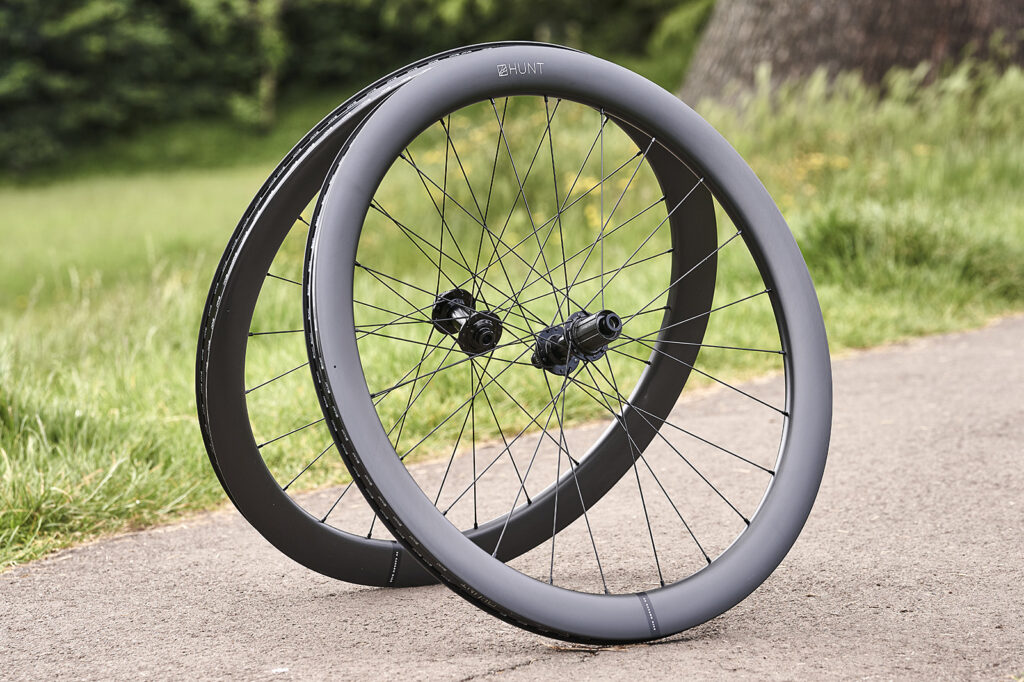
Carbon bike wheels are high-performance cycling wheels constructed using carbon fiber composite materials—continuous carbon fibers embedded within resin. This combination creates lightweight yet strong rims, often paired with alloy or carbon hubs and spokes. These bicycle carbon fiber wheels bring weight savings, precision engineering, and aerodynamic advantages to cyclists seeking top-tier performance.
Source: CW Carbon World
How They Are Made
The manufacturing process begins with sheets of carbon fiber, which can be woven or unidirectional. These are strategically layered in orientations that maximize strength where needed—such as spoke beds, brake tracks, and impact zones—and are cured under pressure and heat to achieve optimal performance characteristics. Engineers can tune these carbonfiber wheels for specific riding conditions or stiffness and strength requirements. Learn more about the technical aspects of carbon fiber construction in our guide on carbon fiber weave types.
Advanced lay-up techniques produce rims that are lighter and stiffer than aluminum, with precision aero shaping and tailored ride characteristics. This innovation positions bike carbon wheels as the pinnacle of modern cycling technology.
Source: CW Carbon World
Comparison to Aluminum Wheels
When stacked against aluminum wheels, bicycle carbon fiber wheels offer clear advantages:
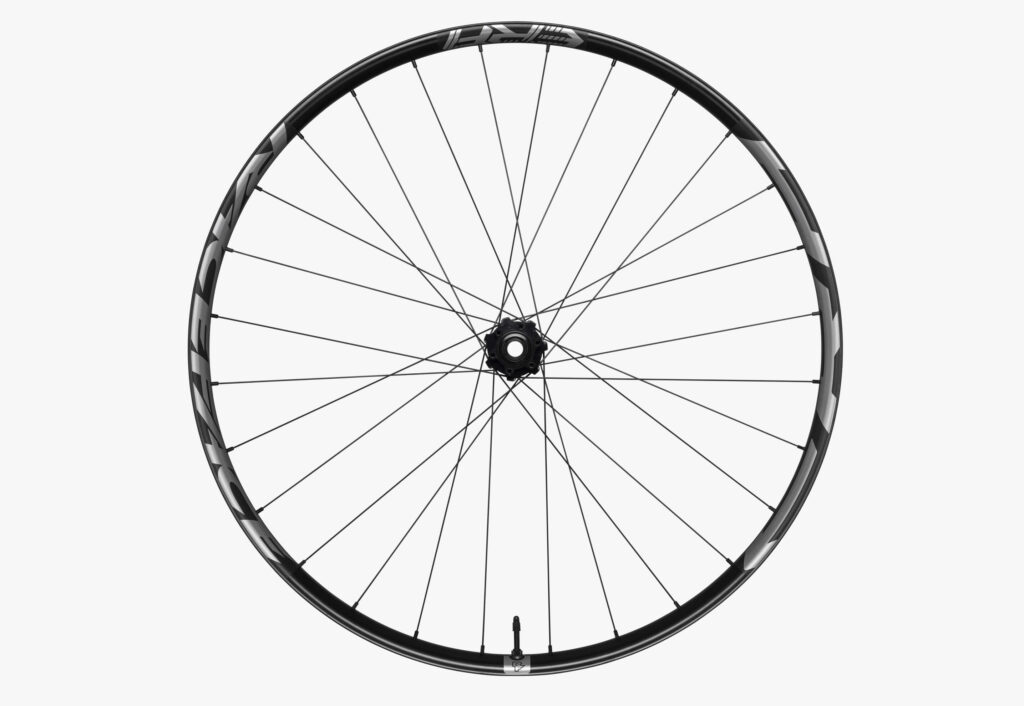
- Aluminum wheels: Heavier, durable, with excellent impact resistance and heat dissipation. However, they lack the aggressive aero shaping and stiffness of carbon wheels.
- Carbon wheels: Incredibly lightweight and stiff, enabling greater aerodynamic performance, reduced rotational weight, and optimized power transfer for a responsive and energetic ride.
For a deeper comparison of these materials, check out our article on carbon fiber wheels vs aluminum wheels.
If you’re confused by product names, rest assured: carbon bike wheels, bicycle carbon fiber wheels, and carbonfiber wheels refer to carbon composite rims designed for performance cycling.
Source: Top-Fire
Key Performance Advantages
Weight Reduction
One of the foremost benefits of bike carbon wheels is their significant weight savings. Carbon rims are approximately 30–50% lighter than aluminum counterparts, cutting rotating mass where it matters most. Why does this matter? Reduced rim weight means faster acceleration, optimized climbing efficiency, and a lively ride feel under power. Cyclists feel an immediate difference in responsiveness during sprints or on steep climbs. Explore the limits of lightweighting in our article on lightweight carbon wheels.
Aerodynamic Efficiency
Carbon materials allow complex rim profiles—such as U-shaped or toroidal designs—which deliver exceptional aerodynamic advantages. These shapes reduce drag and balance stability in crosswinds. For speed-focused riders, the aero benefits become progressively noticeable as riding speed increases, making carbon wheels bike setups ideal for races, time trials, and fast group rides. Discover how aerodynamics impacts performance in our article on the science behind carbon wheel aerodynamics.
Source: Top-Fire
Stiffness and Responsiveness
Carbon rims boast significantly greater lateral stiffness compared to aluminum, with industry tests showing values of 70–90 Nm/° for carbon versus 45–60 Nm/° for aluminum. This enhanced stiffness ensures better power transfer, precise handling, and sharper responsiveness during sprint efforts or intense cornering. With carbon bike wheels, every watt of power directly translates into forward momentum.
Source: Top-Fire
Durability and Ride Feel
Carbon fiber is renowned for its fatigue resistance, maintaining integrity under repeated stress without microcracking. Many brands reinforce critical zones like brake tracks to enhance reliability during extensive use. Cyclists report improved ride quality—quieter performance, smoother handling, and optimized handling—all thanks to bike carbon wheels.
Sources:
CW Carbon World
Top-Fire
Technical Specifications & Variations
Wheel Depths and Profiles
Wheel Depth Guide:
- 30–40mm: Lightweight and compliant for hill climbing and versatile terrain.
- 45–55mm: Balanced weight and aerodynamics for all-round road cycling.
- 60mm+: Deep-section rims deliver unmatched aero gains, ideal for time trials and flat races.
Source: Top-Fire
Brake Type
- Rim-Brake Carbon Wheels: Require special brake pads and have reinforced tracks to manage heat.
- Disc-Brake Wheels: Avoid thermal stress, offering freedom in rim design while maintaining consistent braking performance.
Source: ENVE
Maintenance & Care Guide
Protect your investment in bike carbon wheels with these quick tips:
-
Cleaning:
- Use pH-neutral soap and water to clean dirt and grime without damaging your wheel’s finish.
- Avoid high-pressure washers; rinse gently with low-pressure water and dry carefully.
Sources:
HyperxCarbon
ENVE -
Brake Surface Maintenance:
- Rim brakes: Clean brake tracks and use carbon-specific pads.
- Disc brakes: Inspect rotors and ensure pads align correctly with calipers.
Source: ENVE
-
Routine Inspections:
- Check regularly for cracks or delamination in high-stress zones. Learn more about avoiding carbon rim deformation.
- Ensure proper spoke tension and hub-bearing functionality.
-
Storage Tips:
Store wheels indoors in a cool, dry environment to protect resin finishes. For additional insights on carbon care, see our guide on high temperature resistant carbon rims.
Ready to Transform Your Ride?
Choose Your Perfect Carbon Wheel Setup
Whether you prioritize climbing efficiency, aero gains, or all-around performance, our carbon bike wheels are engineered to meet your needs. Ready to feel the difference?
Frequently Asked Questions
Are carbon wheels worth the investment for a casual rider?
For most casual riders, the benefits of carbon wheels may not justify the high cost, as they are primarily designed for competitive cyclists seeking marginal gains. However, if you frequently participate in fast group rides and desire a more responsive, efficient bike, they can still be a very rewarding upgrade.
How much faster are carbon wheels compared to aluminum?
The speed advantage depends on your riding speed, the course profile, and wheel depth. The aerodynamic benefits become most noticeable at speeds above 20 mph (32 kph), where they can save significant time over long distances. The most immediate feeling is in faster acceleration and the ease of maintaining speed.
Are carbon wheels durable enough for everyday use?
Yes, modern carbon wheels from reputable brands are very durable and resistant to fatigue, making them suitable for everyday riding. However, they can be more vulnerable to damage from sharp, direct impacts (like hitting a large pothole at speed) compared to aluminum. Regular inspections for damage are important.
Do I need special brake pads for rim-brake carbon wheels?
Yes, absolutely. You must use brake pads specifically designed for carbon rims. Using standard brake pads can generate excessive heat, which can damage the resin in the carbon brake track and lead to dangerous brake failure. Always use pads recommended by the wheel manufacturer.