
Estimated reading time: 18 minutes
Key Takeaways
-
Superior Performance: Carbon wheels offer significant advantages over aluminum in weight, aerodynamics, stiffness, and ride quality, making them a top performance upgrade.
-
Cost & Braking: The primary drawbacks are higher cost and, for rim brakes, reduced braking performance in wet conditions. Disc brakes mitigate this braking issue entirely.
-
Rim Depth Matters: Rim depth is a critical factor. Shallow rims (<30mm) are best for climbing, mid-depth rims (35-50mm) are ideal all-rounders, and deep-section rims (>50mm) maximize aerodynamic speed on flat terrain.
-
Know Your Bike: Before buying, you must confirm compatibility with your bike’s axle type (e.g., thru-axle), brake system (disc vs. rim), and drivetrain freehub (Shimano/SRAM vs. Campagnolo).
-
Value Sweet Spot: The best value for most cyclists is found in mid-range carbon wheels (approx. $1,200 – $2,000), which deliver most of the performance benefits of premium models at a more accessible price.
Table of Contents
- What Are Carbon Fiber Wheels?
- Understanding Carbon Wheel Construction
- Key Performance Factors to Evaluate
- Carbon Wheels for Different Cycling Disciplines
- Best Carbon Wheels: Top Options & Brands
- Price Range & Budget Guidance
- How to Choose the Right Carbon Wheels
- Conclusion & Recommendations
- Frequently Asked Questions
Carbon Fiber Wheels Buying Guide: How to Choose the Best Carbon Wheels for Your Bike
Carbon fiber wheels represent one of the most impactful performance upgrades available to cyclists, combining lightweight construction with aerodynamic efficiency to deliver noticeably faster, more responsive rides.
Whether you’re a competitive racer, weekend warrior, or endurance enthusiast, upgrading to carbon bike wheels can transform your cycling experience. But with hundreds of options across multiple price points and disciplines, choosing the best carbon wheels for your needs requires understanding what makes these wheelsets special—and what to look for before you buy.
What Are Carbon Fiber Wheels?
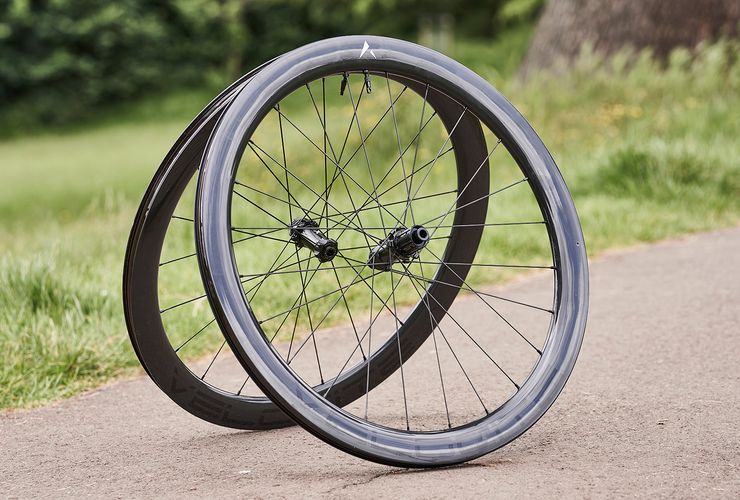
Carbon bike wheels use rims made from carbon fiber composite material rather than aluminum alloy, often paired with high-quality hubs and spokes to create performance-oriented wheelsets.
The terminology can be confusing at first. When cyclists talk about “carbon road wheels,” “carbon cycling wheels,” or “full carbon wheels,” they’re generally referring to wheelsets with carbon fiber rims. Full carbon wheels typically combine carbon rims with high-end hubs and premium spokes to maximize performance across the entire system.
Key Benefits Over Aluminum Wheels
Carbon wheels deliver four major advantages that make them the upgrade of choice for serious cyclists:
Weight Advantage
Carbon rims are typically lighter than aluminum at a given depth. This allows manufacturers to build shallow to mid-section wheels that weigh less than comparable aluminum box-section rims while maintaining or improving stiffness and durability.
Aerodynamic Superiority
Carbon’s moldability allows more complex, high-tech rim shapes that would be impossible or prohibitively expensive to manufacture in aluminum. These advanced profiles improve aero efficiency, helping riders hold higher speeds with less effort—especially noticeable on flat terrain and fast group rides.
Stiffness and Responsiveness
Increased lateral stiffness means sharper handling and acceleration. This becomes especially noticeable when sprinting, climbing out of the saddle, or cornering hard during aggressive riding.
Ride Quality
Many riders report a distinct comfort and “smoothness” with quality carbon wheelsets that is harder to match with other materials. This characteristic comes from carbon’s unique vibration-damping properties and how manufacturers can tune layup patterns for specific ride qualities.
Drawbacks to Consider
For balanced credibility, it’s important to understand where carbon wheels have limitations:
Cost Premium
Carbon wheels sit at a higher price level versus entry-level aluminum. While value options have expanded dramatically in recent years, carbon still requires a bigger initial investment.
Rim Brake Braking Performance
Aluminum rims generally offer better braking in wet conditions and on long descents. Carbon brake tracks can overheat and perform less reliably in challenging braking scenarios, particularly in extended mountain descents or wet weather.
However, disc brakes largely remove this disadvantage for carbon rims. With disc brake systems, carbon wheels deliver consistent stopping power in all conditions while preserving all their performance benefits.
Why Carbon Wheels Are the Top Performance Upgrade
Once a rider has a decent bike, carbon wheels represent the most popular performance upgrade: lighter, faster, more efficient—and increasingly affordable thanks to broader brand competition and value-tier options flooding the market.
The combination of reduced rotational weight, improved aerodynamics, and enhanced stiffness creates a noticeable difference in how your bike accelerates, climbs, and maintains speed.
Understanding Carbon Wheel Construction
What makes a carbon bicycle wheel fundamentally different from aluminum alternatives starts with materials and manufacturing—but the real story is how construction choices directly influence performance.
Materials and Layup Construction
Carbon rims are built from layers of carbon fiber cloth and resin laid into a mold, then cured under heat and pressure.
Different fiber types, layup patterns, and resins influence stiffness, impact resistance, weight, and durability. Higher-quality wheels use premium carbon fiber grades and more sophisticated layup schedules that optimize strength-to-weight ratios while maintaining compliance in the right areas.
Manufacturing Process
Monocoque Molded Rims
The entire rim is molded as one continuous structure versus bonded sections. Higher-end carbon bike wheels often emphasize precise layup control and tight quality control during the molding and curing process.
Quality Control Importance
Better brands invest heavily in testing for impact resistance, spoke hole strength, and long-term fatigue. This investment is critical for durability and safety—carbon wheels that cut corners on quality control can fail catastrophically under stress.
Hooked Versus Hookless Rim Designs
Modern carbon wheels come in two basic bead designs:
Hooked Rims
Traditional bead hook design compatible with a wider range of tubeless and clincher tires. This remains the safer choice for riders unsure about tire compatibility or who want maximum flexibility in tire selection.
Hookless Rims
Straight-sided design common in modern tubeless systems. Hookless rims offer lower weight and manufacturing efficiency but require specific compatible tires and pressure limits. Riders must carefully match approved tires to hookless wheels and follow manufacturer pressure guidelines.
Spoke and Hub Specifications
Spoke Count and Lacing
Spoke count and lacing patterns—such as 2-cross, 3-cross, or radial—directly influence the stiffness versus comfort balance. Lower spoke counts (20-24 spokes per wheel) often mean stiffer rides with more immediate power transfer but potentially reduced comfort on rough surfaces.
Hub Quality
High-quality hubs with sealed bearings, reliable freehub mechanisms, and good sealing are key to smooth rolling and long-term reliability. Even the best carbon rim can’t overcome poor hubs—they’re the mechanical heart of any wheelset.
How Construction Drives Performance
The way manufacturers design and build full carbon wheels creates distinct performance characteristics:
-
Deeper layup schedules and higher spoke tension drive more lateral stiffness for sprinting and cornering. Racers and aggressive riders prioritize this stiffness for maximum power transfer and handling precision.
-
More compliant layup patterns or higher spoke counts deliver more vertical comfort on rough roads, gravel, or endurance use. Riders focused on all-day comfort or mixed-surface adventures benefit from construction that absorbs road chatter without sacrificing too much efficiency.
Key Performance Factors to Evaluate
Understanding carbon cycling wheels means knowing which performance factors matter most for your riding style and how to evaluate them when comparing options.
Aerodynamics & Rim Depth
Rim depth fundamentally shapes how carbon wheels perform in different riding conditions:
Shallow Rims (<25–30 mm)
Shallow-section carbon wheels prioritize stability and handling over pure aerodynamic gains. These rims are best for hilly terrain and windy conditions, ideal for riders who care more about weight and control than maximum aero efficiency.
Climbing specialists and riders in gusty environments often choose shallow carbon wheels for their predictable handling and lower weight.
Mid-Depth Rims (~35–50 mm)
Mid-depth carbon bike wheels represent the balanced all-rounder choice. They deliver noticeable aero benefit with manageable weight and crosswind behavior that most riders can handle confidently.
This depth category has become the most popular among enthusiast and competitive cyclists because it offers the best of both worlds for varied riding conditions.
Deep Section Rims (>50 mm)
Deep carbon wheels maximize aero performance on flat and fast courses. They’re best for strong riders comfortable in crosswinds and racing contexts where aerodynamic advantages outweigh handling considerations.
Time trialists, triathletes, and flat-course specialists gain the most from deep-section wheels.
Aero-Tire Width Compatibility (Rule of 105%)
To maintain proper aero performance, external rim width should be approximately 5% wider than tire width (the “Rule of 105%“). This means roughly 30 mm external rims for 28 mm tires, or 34 mm external rims for 32 mm tires.
Modern performance setups often use 28 mm tires on approximately 20 mm internal width rims. This combination balances aerodynamic speed, rolling resistance, and comfort across varied road conditions.
Weight Considerations
For a “faster-feeling” wheelset, many riders target the 1300–1600 gram range for road use.
Climbing and Acceleration Benefits
Lighter carbon wheels help significantly on climbs and during frequent accelerations in criteriums or hilly rides. Reducing rotational weight makes the biggest difference when you’re changing speed—either accelerating out of corners or grinding up steep gradients.
However, extremely light wheelsets can compromise stiffness or durability if poorly designed. The lightest isn’t always the best—especially for heavier riders or those who ride aggressively.
The Trade-Off Value Proposition
Mid-section carbon wheels can weigh less than shallow aluminum wheels while delivering superior aerodynamics. This double advantage makes carbon bike wheels especially attractive—you gain both speed benefits simultaneously.
Stiffness vs. Comfort
The stiffness versus compliance balance significantly affects how carbon cycling wheels feel during different types of riding.
Stiffness Benefits
Stiffer carbon wheels provide better power transfer under load, creating a snappy, responsive feel. You notice this most when sprinting, accelerating hard, or cornering at speed—the wheels feel precise and immediate in their response to rider input.
Racers and spirited riders often prefer maximum stiffness for competitive advantage and handling confidence.
Comfort Considerations
Slightly more compliant rims, higher spoke counts, and wider tires can improve comfort and reduce fatigue. This becomes especially important for endurance rides, gravel adventures, or mixed-surface cycling where road vibration accumulates over hours.
Lower spoke count designs create stiffer rides. Adding more spokes can improve comfort and overall robustness, though with a small weight penalty.
Durability & Weather Resistance
Impact Resistance
Quality carbon wheels are tested and built to withstand everyday road hazards including potholes, rough pavement, and minor impacts. However, they can be vulnerable to sharp, high-energy impacts from severe potholes or crashes.
Buyers should prioritize reputable brands with good warranties and documented quality control. Read user reviews focusing on long-term durability and manufacturer responsiveness to warranty claims.
Weather and Braking Considerations
Rim-brake carbon wheels can struggle with wet braking performance and heat buildup on long descents. In these scenarios, aluminum generally brakes better and more predictably.
Disc brake carbon wheels eliminate these braking limitations entirely while preserving all the performance benefits of carbon construction. This is why most high-end road, gravel, and mountain bike wheels now feature disc brake designs.
Carbon Wheels for Different Cycling Disciplines
The best carbon wheels for your needs depend heavily on your primary cycling discipline and terrain.
Road Cycling Carbon Bike Wheels
Road cycling offers the widest range of carbon wheel options across multiple specialty categories:
All-Round Road Wheels
Mid-depth carbon wheels (approximately 35–50 mm) with moderate weight and strong braking—ideally disc brake—suit varied terrain and conditions. These represent the most versatile choice for riders who tackle different routes and riding styles throughout the week.
Aero Race Wheels
Deeper carbon wheels (over 50–60 mm) optimize for pure speed on flat courses and time trials. These prioritize aerodynamic efficiency above other considerations, making them ideal for racing specialists and riders who compete on relatively flat terrain.
Climbing Wheels
Lighter, shallower carbon bike wheels prioritize lower weight over maximum aero performance. Climbing specialists benefit from reduced rotational weight on steep gradients where aerodynamics matter less than pure power-to-weight ratio.
Mountain Bike Carbon Wheels
Mountain bike applications demand carbon wheels built to completely different standards than road wheelsets.
MTB carbon wheels must prioritize impact resistance, lateral stiffness, and tubeless compatibility. Wider internal rims support larger mountain bike tires—typically 2.3 to 2.6 inches wide—offering more grip and stability on technical trails.
Mountain bike carbon wheels must handle rocks, drops, and repeated impacts that would destroy road wheelsets. Buyers should look specifically for trail- or enduro-rated models and investigate crash replacement policies before purchasing.
Track Cycling Specializations
Track riders operate in a unique environment that changes wheel priorities entirely.
Velodrome specialists often use deep aero rims or full disc wheels for maximum speed on smooth surfaces. The extreme focus shifts to stiffness and aerodynamics, where weight becomes less critical due to constant high speeds and perfectly smooth surfaces without braking or technical handling concerns.
Gravel & Mixed-Use Wheels
All-road carbon cycling wheels bridge road and gravel applications, offering mid-depth rims, wider internal widths, and robust construction for mixed terrain.
These wheels are designed for riders who want one versatile wheelset that performs well on both tarmac and gravel roads.
Concrete Examples
The ENVE SES 4.5 and Roval Terra CLX II represent high-performing all-road options suitable for both paved roads and gravel adventures. These wheels typically feature slightly wider rims (around 21-25 mm internal width) and robust construction that can handle rougher surfaces without sacrificing too much road performance.
All-road wheels prioritize durability, comfort, and tire clearance rather than pure aerodynamic efficiency. The trade-off is worth it for riders who refuse to be limited by a single surface type.
Best Carbon Wheels: Top Options & Brands
Understanding the competitive landscape helps you benchmark prices and performance expectations across different tiers.
High-End Full Carbon Wheels (Premium Tier)
The top tier of carbon bicycle wheels includes brands with decades of racing heritage and cutting-edge research and development:
Top-Tier Brands
ENVE, Zipp, Roval, HED, DT Swiss, Princeton CarbonWorks, Campagnolo Bora Ultra, and Reynolds dominate the premium segment. These manufacturers invest heavily in engineering, wind tunnel testing, and quality control.
Specific Premium Examples
The Zipp 454 NSW represents a premium aero all-rounder combining cutting-edge aerodynamics with versatile depth. It exemplifies the engineering sophistication available at the top tier.
The ENVE SES 4.5 or 6.7 wheelsets deliver high-end all-road and aero performance with exceptional build quality and comprehensive warranties.
Premium Price Range
Premium options can exceed $3,000–$5,000 per wheelset. At this level, you’re paying for cutting-edge technology, extensive testing, prestige branding, and comprehensive warranty support.
Mid-Range Performance Carbon Wheels
The mid-range segment offers compelling performance-to-value ratios, typically in the $1,500–$2,500 range.
Performance/Value Examples
The Bontrager Aeolus RSL series, Cannondale HollowGram R45, and various DT Swiss carbon ranges deliver serious performance at prices that serious enthusiasts can justify.
Many mainstream cycling brands offer mid-tier carbon lines that provide excellent performance for club racers and dedicated enthusiasts who ride frequently and aggressively.
Budget-Friendly Carbon Wheel Options (Value Tier)
The value segment has exploded in recent years with direct-to-consumer brands offering surprisingly capable carbon wheels.
In-depth testing suggests good value carbon wheelsets generally sit between $900–$1,500, delivering legitimate performance upgrades at accessible prices.
Strong Value-Tier Performers
The Zipp 303 S, Bontrager Aeolus Pro 37, and ENVE AR40 represent strong performers in the value tier from established brands. These wheelsets prove that budget-conscious doesn’t mean poor performance.
Budget-Oriented Brand Landscape
Direct-to-consumer brands like Hunt and Flo, along with various manufacturers, offer lower prices than established premium brands. However, experiences with these brands can be “hit or miss” depending on quality control consistency and customer support responsiveness.
Brand Comparison Themes
Understanding brand positioning helps set realistic expectations:
Top-Tier Established Brands
ENVE, Zipp, Roval, DT Swiss, and HED offer strong engineering pedigrees, comprehensive warranties, and excellent dealer support networks. You’re paying partly for peace of mind and long-term brand stability.
Trendy Premium Options
Princeton CarbonWorks represents the trendy premium segment focused on high-end, often race-specific designs with unique approaches to aerodynamics and wheel construction.
Direct-to-Consumer Value Brands
Budget and value-oriented manufacturers offer significantly lower prices but require more careful research. Read multiple user reviews focusing on long-term reliability, warranty claim experiences, and customer service responsiveness before committing.
Price Range & Budget Guidance
Understanding what you get at each price tier helps you spend wisely and set realistic performance expectations.
Entry-Level Carbon (~$800–$1,200)
Entry-level carbon wheels typically come from direct-to-consumer or budget-focused brands.
Pros:
-
Meaningful upgrade in aerodynamics and weight versus stock aluminum wheels
-
Good introduction to carbon cycling wheels for first-time upgraders
-
Legitimate performance benefits for recreational and fitness riders
Cons:
-
Potential compromises in hub quality, long-term durability, and quality control consistency
-
Warranties and customer support may be more limited than big-brand alternatives
-
Higher risk of inconsistent manufacturing quality
Mid-Range (~$1,200–$2,000)
The mid-range represents the sweet spot for many cycling enthusiasts.
Pros:
-
Better hub internals with smoother bearings and more reliable engagement
-
More refined rim shapes backed by actual wind tunnel testing
-
Stronger quality assurance and more consistent manufacturing
-
Often tested and reviewed by major cycling outlets, making comparison and validation easier
Cons:
-
Still represents a significant financial investment
-
May lack some exotic features or absolute cutting-edge technology of top-tier wheels
High-End ($2,000+)
High-end carbon wheels target serious racers and performance-focused riders.
Pros:
-
Cutting-edge aerodynamics backed by extensive computational fluid dynamics and wind tunnel validation
-
Advanced layup technology optimizing every aspect of rim construction
-
Minimal weight while maintaining strength and durability
-
Excellent warranty programs and crash replacement policies
-
Brand prestige and resale value
Cons:
-
Diminishing returns: performance gains over well-chosen mid-range wheels are real but incremental
-
High cost may not be justified for recreational riders or those racing occasionally
Budget Framework Advice
Set your budget in approximately $500 increments to narrow choices realistically. This creates clear decision boundaries and prevents endless comparison of marginally different options.
Remember that a well-chosen value or mid-tier carbon wheelset can deliver most of the performance benefits without premium pricing. The difference between a $1,500 wheelset and a $4,000 wheelset exists, but it’s far smaller than the difference between aluminum training wheels and any quality carbon option.
How to Choose the Right Carbon Wheels
Use this step-by-step checklist to guide your decision from self-assessment to final wheelset selection.
Step 1—Assess Your Riding Style & Goals
Start by honestly evaluating your primary riding conditions and objectives:
Terrain Questions:
-
Do you mostly ride flat, rolling, or hilly terrain?
-
What percentage of your riding involves steep climbs versus flat or gently rolling roads?
-
Do you regularly encounter strong crosswinds?
Riding Style Questions:
-
Are you focused on racing, fast group rides, endurance cycling, or gravel adventures?
-
How aggressive is your riding—frequent hard accelerations or steady-state cruising?
-
Do you prioritize comfort or maximum performance?
General Guidance by Terrain:
For hilly or mountainous terrain, choose shallow to mid-depth carbon wheels that prioritize lower weight and crosswind stability over maximum aerodynamic gains.
For flat terrain and fast racing, select deeper aero rims that maximize speed and efficiency on courses where aerodynamics matter most.
For mixed, all-road, or gravel use, look for robust mid-depth wheels with wider internal widths and comfort-oriented construction that handles varied surfaces.
Step 2—Decide Tire Width & Rim Width
Choose your preferred tire width first, then match rim dimensions accordingly:
Performance Road Setup:
28 mm performance road tires pair well with approximately 20 mm internal rim width and 30 mm external width. This combination delivers excellent aerodynamics while providing good comfort and puncture protection.
Endurance and Gravel Setup:
30–32 mm endurance or gravel tires often benefit from wider rims—around 21-25 mm internal width—for improved comfort, grip, and tire stability on rougher surfaces.
Step 3—Check Bike Compatibility
Verify these critical compatibility factors before purchasing:
Axle Type
Quick-release or thru-axle dimensions must match your frame and fork specifications exactly. Common thru-axle standards include 12×100 mm front and 12×142 mm rear for road/gravel bikes.
Wheel Diameter
Ensure you’re buying the correct diameter—typically 700c for road bikes or 650b for some gravel and smaller road frames.
Brake Type
Rim-brake carbon wheels are not interchangeable with disc-brake wheels. You must match wheel type to your bike’s braking system—there is no crossover compatibility.
Freehub Body
Ensure compatibility with your drivetrain: Shimano/SRAM 11-speed, SRAM XDR, or Campagnolo cassettes require specific freehub body designs.
Step 4—Choose Hooked vs. Hookless
If you’re uncertain about tire compatibility or want maximum flexibility, choose hooked rims. They work with the widest range of tubeless and clincher tires with fewer setup concerns or pressure restrictions.
More experienced riders who understand tire pressure limits and approved tire lists can benefit from hookless designs. These offer weight advantages and manufacturing efficiencies, but require careful attention to tire compatibility and maximum pressure guidelines.
Step 5—Evaluate Weight, Depth, & Hub Quality
Weight Targeting:
For road cycling, target wheelsets in the 1300–1600 gram range for a fast-feeling setup that balances stiffness, durability, and climbing performance.
Depth Selection:
For all-round road use, consider mid-depth rims (35–50 mm) that deliver meaningful aero benefits without excessive weight or crosswind nervousness.
Hub Quality:
Look for reputable hub brands and designs known for smooth bearings and reliable engagement. Research specific hub models in user reviews—hub quality dramatically affects long-term satisfaction and maintenance requirements.
Step 6—Consider Maintenance & Care
Tubeless Setup:
Many modern carbon wheels are tubeless-ready. Understand sealant requirements, approved tire choices, and refresh intervals (typically every 3-6 months depending on climate and riding frequency).
Cleaning Guidance:
Avoid harsh chemicals that can damage resin. Use mild soap and water, and inspect rims periodically for cracks, deep scratches, or delamination.
Service Considerations:
Check spoke tension annually and follow manufacturer hub servicing intervals. Prioritize brands with good local dealer networks or responsive online customer support for long-term ownership satisfaction.
Conclusion & Recommendations
Choosing the best carbon wheels for your cycling needs becomes straightforward when you follow a structured approach based on your specific riding discipline and priorities.
For Most Road Cyclists
A mid-depth, tubeless-ready carbon road wheelset around 40–50 mm depth and 1400–1600 grams offers the best balance of aerodynamics, weight, and everyday usability.
Models like the Zipp 303 S, Bontrager Aeolus Pro 37, and similar offerings represent strong examples in the value tier, delivering legitimate performance at accessible prices.
For Climbers and Riders in Very Hilly Areas
Choose shallow to mid-section carbon bike wheels that prioritize lower weight and crosswind stability over maximum aerodynamic efficiency.
The reduced rotational weight makes a bigger difference on steep gradients than the aerodynamic benefits of deeper rims, and lighter wheels are easier to handle confidently in unpredictable mountain winds.
For Racers and Time-Trial Specialists
Consider deep aero full carbon wheels from top-tier brands where every marginal gain contributes to competitive advantage.
Options like the ENVE SES 6.7 or Zipp 454 NSW deliver cutting-edge aerodynamics backed by extensive testing and development—worth the premium for riders where seconds matter.
For Gravel and All-Road Riders
Look for carbon cycling wheels with wider rims, robust construction, and mid-depth profiles designed specifically for mixed-surface use.
Wheels similar to the ENVE SES 4.5 or Roval Terra CLX II deliver versatile performance across both tarmac and gravel while prioritizing durability and tire compatibility.
Your Path Forward
Take these final steps to find your ideal carbon fiber wheels:
-
Identify your primary cycling discipline and typical terrain.
-
Set a realistic budget tier based on your riding frequency and performance goals.
-
Use this guide’s checklist to compare carbon wheelsets systematically on aerodynamics, weight, stiffness, durability, and compatibility.
-
Read multiple user reviews focusing on long-term experiences, not just initial impressions.
-
Verify warranty coverage and customer service reputation before finalizing your decision.
Quality carbon wheels are now accessible at multiple price points for different rider types. Whether you invest $1,000 or $4,000, choosing the right wheelset for your specific needs will transform your riding experience far more than chasing the absolute top-tier option.
The difference between a well-matched mid-tier carbon wheelset and premium racing wheels is measured in watts and grams. The difference between your current wheels and any quality carbon upgrade will be immediately noticeable every time you ride.
Make your choice based on this guide’s framework, and enjoy the speed, responsiveness, and pure riding pleasure that carbon fiber wheels deliver.
Frequently Asked Questions
1. Are carbon wheels worth the money for a non-racer?
Absolutely. While racers benefit most from the marginal gains, any enthusiast will notice a significant improvement in ride quality, acceleration, and speed. The lighter weight and enhanced stiffness make the bike feel more responsive and fun to ride, even on casual group rides or solo efforts.
2. What is the best all-around rim depth for a road bike?
For most riders, a mid-depth rim between 35mm and 50mm is the ideal choice. This range provides a noticeable aerodynamic advantage over shallow rims without being overly difficult to handle in crosswinds or adding excessive weight, making it perfect for varied terrain.
3. How durable are carbon wheels for daily riding and rough roads?
High-quality carbon wheels from reputable brands are surprisingly durable and designed to withstand the rigors of daily riding, including potholes and rough pavement. While they can be vulnerable to sharp, high-energy impacts, their overall strength is often superior to aluminum. Always check the brand’s warranty and crash replacement policy.
4. Do I need disc brakes to use carbon wheels?
No, but it’s highly recommended. Rim-brake carbon wheels exist, but their braking performance, especially in wet conditions or on long descents, is generally inferior to aluminum. Disc brakes provide consistent, powerful braking in all conditions, eliminating this key disadvantage and making them the safer, more reliable choice for carbon rims.
5. What is the difference between hooked and hookless rims, and which should I choose?
Hooked rims have a traditional bead hook to secure the tire and are compatible with a wider variety of clincher and tubeless tires. Hookless rims have straight sides, are typically lighter, and require specific tubeless-compatible tires. For maximum flexibility and ease of use, hooked rims are the safer bet. If you are committed to a modern tubeless setup and will verify tire compatibility, hookless is a great option.

