
Estimated reading time: 15 minutes
Key Takeaways
- Carbon fiber wheels offer significant weight savings, aerodynamic gains, and superior ride quality compared to aluminum.
- Choose rim depth based on your terrain: shallow (≤35mm) for climbing, mid-depth (36-55mm) for all-round use, deep (>55mm) for flat speed.
- Disc brake carbon wheels are now the standard, eliminating heat issues and improving wet-weather performance.
- The $900–$1,500 price range provides the best value for performance and reliability.
- Always verify compatibility with your bike’s axle standards, brake type, freehub, and tire interface before purchasing.
Table of Contents
- Introduction
- Section 1: What Are Carbon Wheels? The Technical Composition
- Section 2: Key Benefits of Upgrading to Carbon Fiber Wheels
- Section 3: Types of Carbon Wheels and Their Applications
- Section 4: How to Choose the Best Carbon Wheels: Selection Criteria
- Section 5: Practical Buying Guide Implementation
- Section 6: Maintenance, Care, and Lifespan of Carbon Wheels
- Conclusion
- Frequently Asked Questions
Introduction
Carbon fiber wheels represent one of the most significant upgrades a cyclist can make. If you want to ride faster, climb easier, and enjoy a smoother experience, carbon wheels deliver real results.
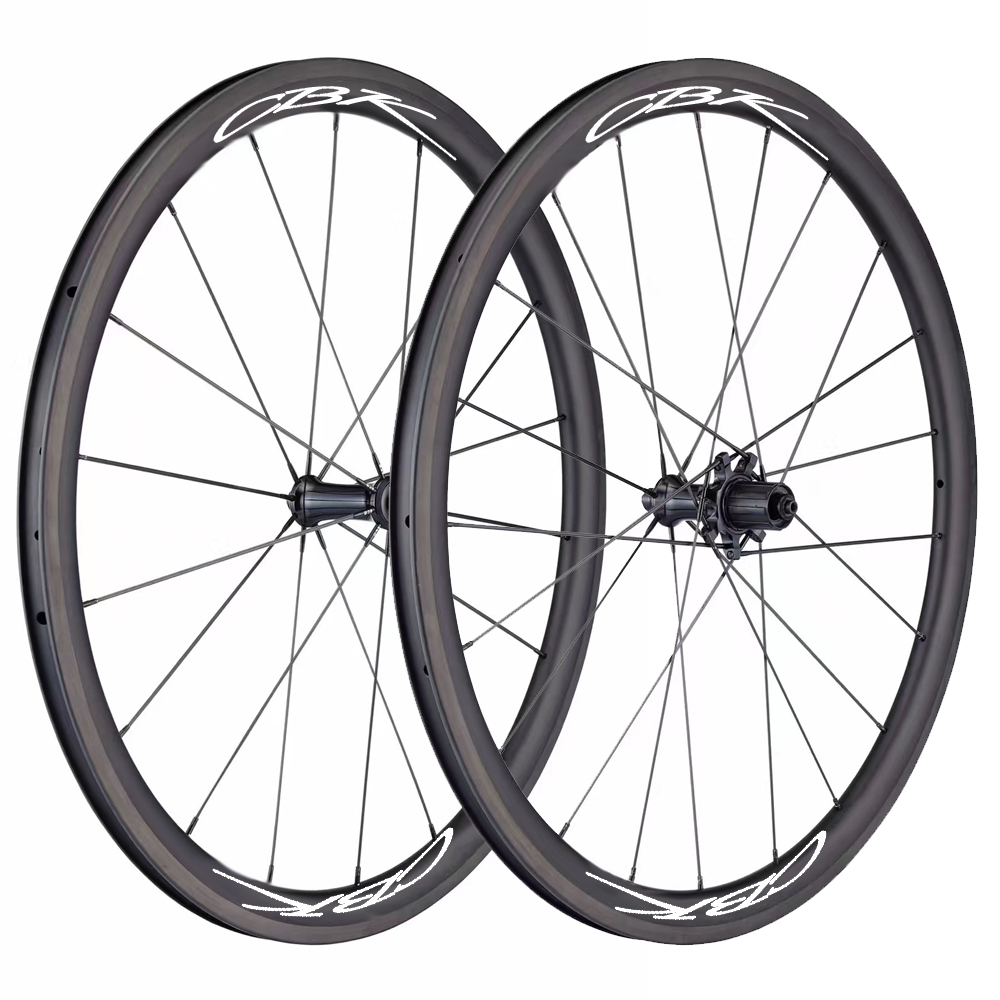
Carbon wheels are bicycle wheels with rims made from carbon fiber-reinforced resin instead of traditional aluminum. You will also see them called carbon bike wheels or carbon bicycle wheels. The material difference changes everything about how your bike performs.
Here is the current market reality: carbon cycling wheels are now standard equipment from mid-range to top-end road, gravel, and mountain bike builds. They are no longer reserved for professional racers. Serious enthusiasts can access this technology at reasonable prices.
This guide will help you decide if carbon wheels are right for you. If they are, we will identify which specific type fits your riding style, bike compatibility, and budget. Our recommendations are backed by independent testing from reputable cycling publications including BikeRadar, InTheKnowCycling, and Gran Fondo group tests. We also reference manufacturer data from ICAN Cycling’s 2024 guide.
Let us get started.
Section 1: What Are Carbon Wheels? The Technical Composition
Subsection 1.1: Materials and Manufacturing of Carbon Bicycle Wheels
Carbon bicycle wheels start with carbon fiber sheets called pre-preg. Pre-preg means the carbon fiber sheets come pre-impregnated with resin. Manufacturers typically use Toray T700, T800, or higher-modulus fibers. These materials are the foundation of every high-quality full carbon wheelset.
The layup process is where engineering meets art. Workers layer carbon fibers in specific orientations: 0°, 45°, and 90°. Each orientation serves a purpose. Zero-degree fibers handle longitudinal loads. Forty-five-degree fibers manage torsional forces. Ninety-degree fibers provide radial strength. This tuning allows engineers to build rims that balance stiffness, impact resistance, and weight.
Carbon rims are molded either as one continuous piece or in a few bonded sections. One-piece molding is stronger but more complex. Bonded sections reduce cost but introduce potential failure points.
A critical distinction exists between construction types. Full carbon wheels have carbon rims with aluminum alloy hubs and steel or bladed stainless spokes. This is the modern standard. Older carbon/alloy hybrid wheels used an aluminum braking surface with a carbon fairing attached to the outside. These hybrids are now largely obsolete in performance cycling.
[Source: ICAN Cycling 2024 Guide]
Subsection 1.2: Why Carbon Instead of Aluminum
Carbon fiber offers a superior stiffness-to-weight ratio compared to aluminum. This allows engineers to design deeper, more aerodynamic rim sections without adding the weight penalty that would come with aluminum.
The real magic is tunability. Carbon allows engineers to tune vertical compliance for comfort independently from lateral stiffness for cornering precision. This is difficult to achieve with metal rims. You get a wheel that absorbs road buzz while remaining stiff under hard cornering loads.
A carbon wheel also does not fatigue like metal. Aluminum rims gradually soften and fail over time due to stress cycles. Carbon rims maintain their properties indefinitely if not physically damaged.
Section 2: Key Benefits of Upgrading to Carbon Fiber Wheels
Subsection 2.1: Weight Reduction and Rotational Inertia
Carbon fiber wheels offer measurable weight advantages. Carbon rims can be 200 to 400 grams lighter per wheelset than equivalent-depth aluminum rims. The weight savings concentrate at the rim perimeter, which is exactly where it matters most.
Rotational inertia explains why this matters. Mass at the rim radius has a greater effect on acceleration than mass at the hub. When you reduce rim weight, you improve acceleration during sprints and reduce fatigue during climbing. Every pedal stroke requires less energy.
Some premium alloy wheels now approach entry-level carbon weights. However, deep-section aero profiles of 50mm or deeper remain significantly lighter in carbon. If you want a deep aero wheel that climbs well, carbon is the only logical choice.
Subsection 2.2: Aerodynamic Performance Gains
Wind-tunnel studies from BikeRadar and Gran Fondo provide clear data. Deep-section carbon cycling wheels ranging from 40 to 60mm depth reduce drag at typical yaw angles compared to shallow alloy rims. The benefits become measurable above 25 to 30 kilometers per hour.
Here is what this means in real-world terms:
- Higher cruising speeds for the same power output
- Noticeably easier riding into headwinds
- Less effort maintaining speed on flat sections
Modern wide, blunt rim profiles improve stability in crosswinds compared to older V-shaped designs. You do not have to sacrifice handling for aerodynamics.
[Source: BikeRadar Aero Wheel Tests; Gran Fondo Cycling Magazine]
Subsection 2.3: Ride Quality and Vibration Damping
Carbon fiber naturally filters high-frequency road buzz better than aluminum. This reduces rider fatigue on long endurance rides. Your hands, arms, and back will thank you after five hours in the saddle.
This comfort does not compromise stiffness. Carbon bicycle wheels maintain precise lateral stiffness for confident cornering and sprinting. You get the best of both worlds: comfort without flex.
For gravel riders, the benefits are even greater. Wider carbon rims allow lower tire pressures with better stability. This enhances comfort without speed penalty. You can run 35mm tires at 30 PSI and still corner hard.
Subsection 2.4: Durability and Heat Management
The disc brake revolution changes everything for carbon wheels. Disc brake carbon wheels eliminate rim braking heat exposure. Historically, rim brake carbon wheels could suffer resin softening and failure on long alpine descents. That risk is gone with disc brakes.
Quality carbon rims from reputable manufacturers handle everyday potholes and gravel impacts effectively when used within specifications. Modern carbon is tough.
Carbon does not corrode or oxidize like aluminum. This means no spoke bed corrosion, no rim wall thinning from brake pad abrasion (with disc brakes), and no galvanic corrosion issues. However, impact damage requires immediate attention. Carbon fails differently than metal. A dent in aluminum is cosmetic. A crack in carbon is structural.
Section 3: Types of Carbon Wheels and Their Applications
Subsection 3.1: Rim Depth Categories
Shallow (≤ 35mm)
These are best for climbing specialists, hilly routes, lighter riders under 70 kilograms, and extremely gusty wind conditions.
- Pros: Lowest weight, easiest handling in crosswinds, smoothest ride
- Cons: Minimal aerodynamic advantage at high speeds
Mid-depth (36–55mm)
This is the optimal all-rounder for most road cyclists. It offers the best balance of weight, aerodynamics, and crosswind stability.
- Pros: Strong aero gains without handling compromises
- Cons: Slightly heavier than shallow options
We recommend mid-depth as the default “first carbon wheelset” choice for general riding.
Deep (> 55mm)
These target time trialists, triathletes, and flat-course sprinters.
- Pros: Maximum aerodynamic efficiency
- Cons: Heavier weight that affects climbing, potential instability in strong crosswinds for lighter riders, less comfortable on rough roads
[Source: ICAN Cycling 2024 Guide; InTheKnowCycling]
Subsection 3.2: Discipline-Specific Designs
Road Carbon Wheels
These are optimized for speed with internal rim widths of 19 to 25mm. They are designed for 25 to 32mm tires. The modern trend favors 28 to 32mm tires for lower rolling resistance and comfort. Wider tires actually roll faster on rough pavement.
Gravel Carbon Wheels
These feature wider internal widths of 23 to 25mm or more to support 35 to 47mm tires. Impact resistance and tubeless reliability take priority over pure aerodynamics. Specific examples include ICAN’s G22, G24, and G25 series, which represent this category well. Full carbon wheels for gravel must withstand rocks, roots, and hard impacts.
Mountain Bike Carbon Wheels
These have very wide profiles of 25 to 30mm or more internal width. Strength, controlled flex for traction, and tubeless burp-resistance matter here. Aerodynamics are not a concern.
Subsection 3.3: Brake System Compatibility
Disc Brake Carbon Wheels
Removing the braking surface allows designers to optimize rim shape purely for aerodynamics and strength. Wet-weather performance improves dramatically. Heat management is no longer an issue.
Rim Brake Carbon Wheels
These require specialized high-temperature resin braking tracks and specific brake pads. Overheating on alpine descents remains a real risk. High-end rim brake options are declining as the industry shifts to disc brakes.
Critical warning: You must match rim type to your frame’s brake system. Disc brake wheels cannot be used on rim brake frames and vice versa. This is a non-negotiable compatibility point.
Section 4: How to Choose the Best Carbon Wheels: Selection Criteria
Subsection 4.1: Budget Tiers and Value Analysis
Entry-Level ($600–$900)
These typically come from direct-to-consumer brands. They offer basic carbon benefits but may use heavier resin systems or simpler hub designs. Suitable for riders wanting the carbon “feel” on a budget.
Mid-Range/Value Sweet Spot ($900–$1,500)
InTheKnowCycling research indicates this range offers the best performance-to-cost ratio. Examples include the Zipp 303 S, Bontrager Aeolus Pro 37, and Elitewheels Drive series. These wheels feature quality hubs, decent aerodynamics, and reliability without the premium price.
High-End ($1,500–$3,000+)
Top-tier brands deliver the lightest weights, most advanced aerodynamic profiles, ceramic bearings, and premium hub internals. These offer marginal gains best suited to competitive racers.
[Source: InTheKnowCycling; BikeRadar]
Subsection 4.2: Brand Reputation and Quality Assurance
Check for third-party testing certifications. UCI approval and EN standards compliance indicate quality manufacturing.
Evaluate crash replacement policies. Reputable brands offer 30 to 50 percent discounts on replacement rims within two to three years of purchase. This is important because carbon rims are expensive to replace.
For direct-to-consumer brands, verify availability of replacement spokes, freehub bodies, and local service options. A cheap wheel that cannot be repaired is not a bargain.
Subsection 4.3: Technical Compatibility Checklist
Axle Standards
Modern bikes use thru-axle standards: 12×100mm front and 12×142mm rear. Older bikes may use quick-release. Some wheels come with interchangeable end caps, but verify compatibility before purchase.
Freehub Bodies
The list includes:
- Shimano HG for 11-speed
- Shimano Micro Spline for 12-speed
- SRAM XDR/XD
- Campagnolo N3W
Verify your drivetrain match before purchase. A carbon wheel with the wrong freehub body will not work.
Rim/Tire Interface
Hooked rims are traditional and allow high pressure. Hookless rims are modern, lighter, and stronger but limited to specific tubeless tires with maximum pressure constraints of 72 to 75 PSI maximum. Hookless rims require strict adherence to the manufacturer’s tire compatibility chart. Ignoring this is dangerous.
Subsection 4.4: Warranty and After-Sales Support
Standard structural warranties range from two to five years for manufacturing defects. Crash replacement programs offer no-fault replacement at reduced cost. Local service centers matter. You need a wheelbuilder who can true carbon bicycle wheels or replace spokes when needed.
Section 5: Practical Buying Guide Implementation
Subsection 5.1: Self-Assessment Questions
Answer these questions to narrow your options:
- Primary terrain: Flat or rolling terrain suggests deep or mid-depth wheels. Mountainous terrain suggests shallow or mid-depth wheels.
- Average riding speed: Below 25 km/h means aero benefits are minimal. Focus on comfort. Above 30 km/h means prioritize aerodynamics.
- Bike specifications: Disc or rim brake? What is the maximum tire clearance? These answers eliminate many options.
- Rider weight and wind conditions: Riders under 65 kilograms in windy areas should avoid deep rims over 50mm. The handling penalty is not worth the aero gain.
- Budget ceiling: Include hidden costs like tubeless valves, sealant, and potentially new rotors or cassettes.
Subsection 5.2: Comparison Shopping Factors
Hub Quality
Engagement mechanisms fall into two categories: pawl systems and ratchet rings. Higher engagement (faster pick-up) benefits technical climbing and sprinting. Ceramic bearings offer minimal real-world advantage for most riders despite marketing claims. Quality sealed steel bearings are perfectly adequate.
Spoke Count and Lacing
Front wheels typically use 16 to 20 spokes. Rear wheels use 20 to 24 spokes. J-bend spokes are serviceable anywhere. Straight-pull spokes require specific replacement parts that may be harder to find.
Weight Distribution
Rim weight matters more than hub weight for acceleration. A wheelset with light rims and heavier hubs will accelerate better than the opposite configuration.
Subsection 5.3: Common Purchasing Mistakes to Avoid
Avoid these errors:
- Choosing rim depth based purely on aesthetics, resulting in dangerous handling in crosswinds
- Ignoring hookless rim pressure limits and using incompatible tires, risking blowouts
- Overlooking total system cost: rim brake carbon requires specific brake pads; tubeless setup requires valves, sealant, and potentially tire levers or a compressor
- Mismatching freehub bodies to cassettes, such as buying XDR wheels for Shimano drivetrains without an adapter
- Purchasing from unknown brands without crash replacement policies to save $100 to $200, risking total loss if a rim is damaged
Subsection 5.4: Purchase Channels
Local Bike Shop (LBS)
Benefits include professional wheel fitting, immediate truing and adjustment, and ongoing service relationships. Recommended for first-time carbon wheel buyers.
Direct-to-Consumer Online
Savings of 20 to 40 percent for equivalent specs. Requires mechanical competence for installation and maintenance. Verify return policies and warranty claim processes before purchasing.
Second-Hand Market
High risk for carbon cycling wheels due to potential hidden crash damage or delamination. Only recommended if you know how to perform tap-testing (listening for dead spots indicating delamination) and can verify seller history.
Section 6: Maintenance, Care, and Lifespan of Carbon Wheels
Subsection 6.1: Routine Inspection Protocol
Visual inspection is your first defense. Check for hairline cracks, particularly around spoke holes and the rim bed. Any crack is cause for concern.
The tap test is simple and effective. Lightly tap the rim with a coin. A consistent ringing sound indicates a healthy rim. Dull thuds indicate potential delamination or internal cracks.
For rim brake wheels, measure brake track wear indicators if present. Look for concave wear or fiber exposure. These are signs the rim is nearing end of life.
Check spoke tension quarterly. Carbon rims can be more difficult to true than aluminum. Loose spokes are easier to fix early.
Subsection 6.2: Cleaning and Storage
Use only mild soap and water. Strictly avoid acetone, brake cleaner, or harsh solvents. These chemicals can degrade the resin that holds the carbon fibers together.
For rim brake carbon wheels, use only manufacturer-approved brake pads. SwissStop Black Prince pads are a common choice. Wrong pads cause excessive heat and abrasion that destroy brake tracks.
Storage matters. Avoid prolonged exposure to extreme heat. Car roof boxes in summer and car interiors above 60 degrees Celsius (140 degrees Fahrenheit) can affect resin integrity. Do not leave carbon wheels in a hot car.
Subsection 6.3: Lifespan Expectations
Disc brake carbon wheels can last 5 to 10 years or more for recreational riders with proper care. No brake track wear means the primary failure mode is impact damage.
Rim brake carbon wheels last 2 to 4 years for heavy users in mountainous terrain due to brake track wear. Flat-terrain users may get indefinite life from rim brake wheels.
MTB and gravel wheel lifespan depends almost entirely on impact history rather than age. A hard rock strike can end a wheel’s life immediately.
Subsection 6.4: When to Replace Carbon Wheels
Replace immediately if you see:
- Visible cracks in the rim
- Bulges in the rim bed
- Sudden loss of tire pressure indicating structural failure
- Persistent creaking sounds under load
If you are uncertain, send the wheels to the manufacturer or a carbon repair specialist for ultrasound or X-ray inspection. Professional assessment is worth the cost.
Conclusion
Carbon fiber wheels remain one of the highest-impact upgrades for cyclists. They offer measurable improvements in speed, responsiveness, and ride quality with acceptable durability when selected appropriately.
Here are our final recommendations by rider type:
- New/All-Round Road Rider: Choose a mid-depth 40 to 50mm disc brake wheelset from an established brand in the $900 to $1,500 range.
- Climbing Specialist: Choose a shallow 30 to 35mm lightweight full carbon wheels set with sub-1,400 gram total weight.
- Gravel/Adventure Rider: Choose wide 25mm internal, hookless-compatible carbon wheels with proven tubeless reliability.
- Triathlete/Time Trialist: Choose deep 60 to 80mm front with disc or deep rear, prioritizing aerodynamics over weight.
Prioritize compatibility checking and warranty terms over minor price differences. A $100 savings is meaningless if the wheels do not fit your bike or cannot be repaired when damaged.
Have you upgraded to carbon bicycle wheels? What was your experience? Share your questions or stories in the comments below.
Frequently Asked Questions
What is the best carbon wheelset for climbing?
For climbing, choose shallow rim depths of 35mm or less. Look for a lightweight full carbon wheelset weighing under 1,400 grams per set. Brands like ICAN, Elitewheels, and Zipp offer excellent options. The reduced rotational inertia helps significantly on steep gradients.
Are carbon wheels durable enough for everyday riding?
Yes, modern carbon wheels from reputable manufacturers are durable for daily use. They resist fatigue and corrosion better than aluminum. However, they require visual inspection for cracks and careful handling of impacts. Disc brake carbon wheels eliminate heat-related wear, extending lifespan significantly.
Should I get disc or rim brake carbon wheels?
Disc brake carbon wheels are strongly recommended for all new builds. They offer better braking performance in wet conditions, eliminate heat damage to the rim, and allow designers to optimize rim shape without brake track constraints. Rim brake carbon wheels are increasingly hard to find and have limited lifespan on mountain descents.
How much should I spend on carbon wheels?
The sweet spot for most cyclists is $900 to $1,500. This range offers high-quality hubs, reliable carbon rims, and good aerodynamics. Entry-level wheels ($600–$900) work but may compromise on hub quality and weight. Spending over $1,500 yields marginal gains best suited to competitive racers.
Can I use carbon wheels on a gravel bike?
Absolutely. Look for gravel-specific carbon wheels with internal widths of 23–25mm or more to support 35–47mm tires. Brands like ICAN (G22, G24, G25) and Zipp (303 Firecrest) offer excellent gravel options. Prioritize impact resistance and tubeless reliability over pure aerodynamics.

