Estimated reading time: 5 minutes
Key Takeaways
- Performance Upgrade: Carbon wheelset discs offer significant benefits in weight, aerodynamics, and stiffness, leading to faster acceleration and better handling.
- Modern Design: By removing the rim brake track, carbon disc wheels allow for more aerodynamic and wider rim profiles, improving stability and speed.
- Enhanced Safety: Disc brakes provide superior and more consistent braking performance by managing heat at the rotor, making them a safer choice for varied terrains.
- Tubeless Advantage: Most carbon disc wheelsets are tubeless-ready, enabling lower tire pressures for increased comfort, better traction, and reduced risk of punctures.
- Future-Proof Investment: With the bike industry moving towards disc brakes as the standard, investing in a carbon disc wheelset ensures long-term compatibility and value.
Table of Contents
- Carbon Wheelset Disc Buying Guide: Everything You Need to Know
- What is a Carbon Wheelset Disc?
- Why Carbon Wheelset Discs Matter for Cyclists
- Carbon vs Aluminum Wheelsets – Setting Expectations
- Frequently Asked Questions (FAQ)
Carbon Wheelset Disc Buying Guide: Everything You Need to Know
When it comes to performance cycling, investing in the right carbon wheelset disc can elevate your ride to new heights. Whether you’re a road racer, gravel explorer, cyclocross rider, or triathlon enthusiast, understanding the nuances of carbon disc wheelsets is crucial to making an informed purchasing decision. In this comprehensive guide, we’ll explore the key features, performance benefits, and buying considerations to help you navigate this essential upgrade for your bike.
What is a Carbon Wheelset Disc?
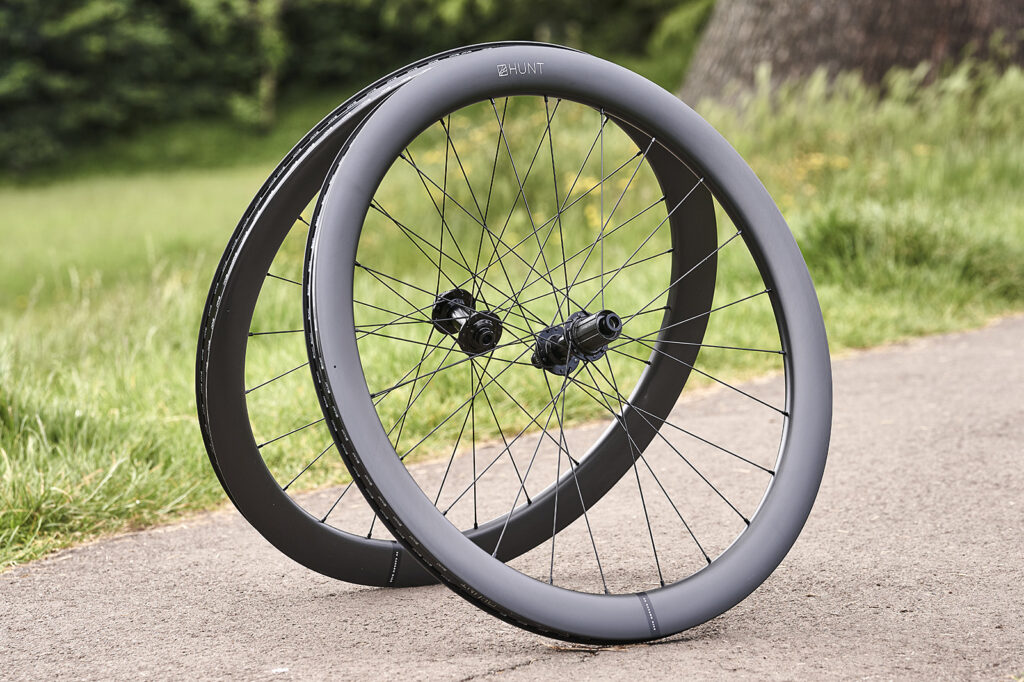
A carbon wheelset disc is a set of lightweight carbon fiber wheels specifically designed for disc brake-equipped bicycles. Unlike rim brake wheels, which rely on the brake pads pressing against the edge of the rim to slow you down, disc brake wheels use a rotor attached to the hub. This allows manufacturers to optimize the rim design for performance by removing the need for a brake track.
Core Components of a Carbon Wheelset Disc
- Carbon Fiber Rims:
- Made from composite carbon materials, these rims are often lightweight and durable.
- Available in clincher (supports standard clincher tires with inner tubes) or tubeless-ready formats for those wanting to maximize puncture resistance and rolling efficiency.
- Disc Compatible Hubs:
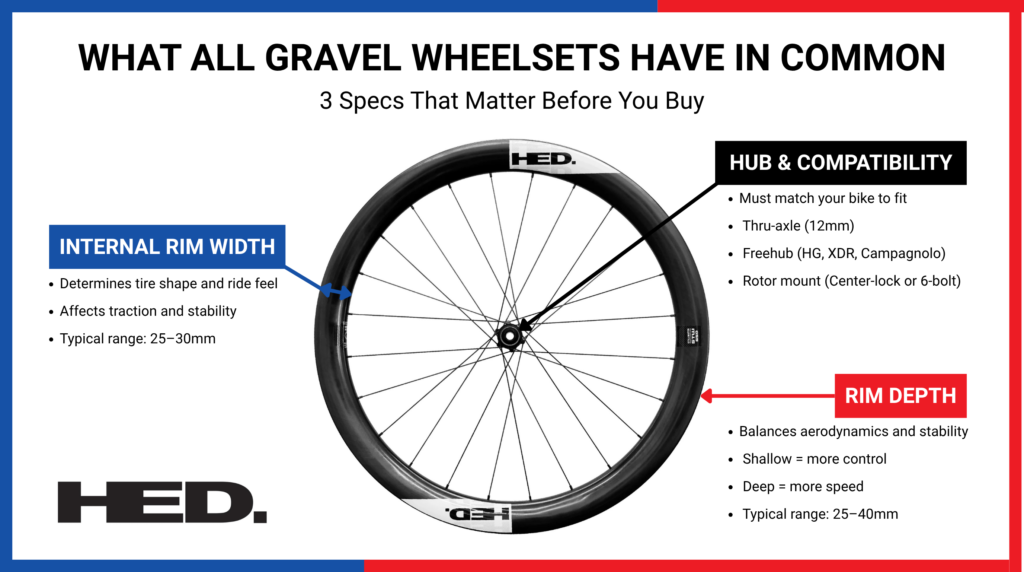
- Equipped with either 6-bolt mounts or Center Lock interfaces to attach the rotors directly to the hub, which allows braking force to act on the hub rather than the rim.
- Spokes:
- Typically made from butted or aero profiles like Sapim CX-Ray for balance between aerodynamics, weight, and durability.
Unique Design Benefits of Carbon Wheelset Discs
-
Rim Optimization:
No brake track needed, meaning the rims can feature more aerodynamic designs with deeper sections, wider internal widths, and hookless or slightly hooked designs, all of which can improve performance. -
Standardization:
Most modern high-performance road, gravel, or mountain bikes now include disc brakes, making disc brake wheelsets the industry standard.
Why Consider a Carbon Wheelset Disc?
Many cyclists view upgrading to a carbon wheelset disc as a significant step forward in their quest for better performance, improved ride feel, and future-proofing their bike.
Why Carbon Wheelset Discs Matter for Cyclists
A carbon wheelset disc isn’t just about aesthetics—they offer meaningful advantages that can dramatically enhance your cycling experience. Here’s why investing in a carbon clincher wheelset should be on every cyclist’s radar:
Performance Benefits
- Lightweight Rims:
Carbon rims are significantly lighter than aluminum alternatives of the same depth, providing faster acceleration, easier climbing, and reduced rolling weight.
- Aerodynamic Rim Profiles:
Carbon allows for versatile designs like deep-section or truncated aero rims, enabling faster speeds on flats and smoother descents. These designs minimize drag and help you maintain momentum.
- Optimized Stiffness:
Manufacturers can tailor carbon layup to balance stiffness and compliance. This creates a more responsive and “lively” ride feel, favored by performance-oriented cyclists.
Handling Advantages
- Wider Internal Rims:
Disc-specific rims are wider, supporting modern tire widths (e.g., 28–32 mm for road bikes, wider for gravel). This improves stability, cornering, and comfort, while reducing the likelihood of pinch flats.
- Better Tubeless Integration:
Many carbon wheelset discs are tubeless-ready, which allows for lower pressures in tires. This improves comfort, rolling resistance, and puncture resistance.
Future-Proofing Your Setup
Most new high-performance road, gravel, and cyclocross bikes now come standard with disc brakes. Upgrading to a carbon disc wheelset ensures long-term compatibility with emerging bike designs.
“Unlike rim-brake carbon wheels that face heat build-up on long descents, disc brakes manage heat at the rotor rather than the rim, ensuring consistent and effective braking performance. This makes carbon disc wheels a more reliable and safer choice for cyclists tackling a variety of terrains and conditions.”
Carbon vs Aluminum Wheelsets – Setting Expectations
One of the first questions every cyclist faces is whether to choose carbon or aluminum wheelsets. Here’s how the two compare based on key performance metrics:
Weight Comparison
- Carbon Wheels:
Lighter, especially for deeper rim profiles. With carbon, you can achieve lightweight rims at greater depths, perfect for climbing and sprinting.
- Aluminum Wheels:
Heavier at equivalent depths, offering lower acceleration and climbing efficiency.
Aerodynamics
- Carbon Wheels:
Sophisticated aerodynamic shapes reduce drag and improve speed at higher velocities (>30 km/h). Ideal for racing, fast group rides, and time trials.
- Aluminum Wheels:
Limited rim shapes mean less aerodynamic optimization, resulting in slightly higher drag.
Ride Feel & Comfort
- Carbon Wheels:
Tunable layups allow for a balance of stiffness and vertical compliance. This translates to a more comfortable and responsive ride with improved power transfer.
- Aluminum Wheels:
Typically less stiff, resulting in a more muted ride feel. Great for beginners but less ideal for high-performance cycling.
Durability & Maintenance
- Carbon Wheels:
Durable under normal conditions but prone to damage from sharp impacts. Requires higher maintenance and more careful handling.
- Aluminum Wheels:
More forgiving under sharp impacts, making them a good choice for beginners or those cycling on very rough terrain.
Price Tag
Expect to pay significantly more for carbon wheels. Although pricier, they deliver measurable improvements in speed, weight savings, and ride feel that competitive and performance-oriented riders value.
Key Takeaways
- Choose carbon wheelset discs for maximum performance and long-term bike compatibility.
- Opt for aluminum if you prioritize durability or are upgrading from a heavier entry-level setup on a budget.
Frequently Asked Questions (FAQ)
Are carbon wheelset discs worth the money?
For performance-oriented cyclists, yes. They provide measurable improvements in speed, acceleration, and handling. While the upfront cost is higher than aluminum, the performance gains and future-proofing make them a valuable upgrade for serious riders.
Can I use a carbon wheelset disc on a rim brake bike?
No. Carbon wheelset discs are specifically designed for bicycles with disc brake systems. The hubs have mounts for brake rotors, and the rims lack the brake track required for rim brakes.
How durable are carbon wheels compared to aluminum?
Modern carbon wheels are very durable for normal riding conditions. However, they can be more susceptible to damage from sharp, direct impacts than aluminum. Aluminum wheels might dent, whereas carbon can crack, which is often harder to repair.
What’s the main benefit of a tubeless-ready carbon wheelset?
The main benefits are improved ride quality and puncture resistance. Running tubeless allows you to use lower tire pressures, which increases comfort and grip. The sealant inside the tire can also automatically seal small punctures, reducing the chance of flats.