Estimated reading time: 7 minutes
Key Takeaways
- 26-inch MTB wheels are still highly relevant for older mountain bikes, dirt-jump rigs, smaller riders, and technical trails due to their agility and strength.
- Compatibility is paramount. You must match your new wheels to your bike’s hub spacing, axle type, brake-rotor interface, and drivetrain freehub body.
- Rim material choice depends on your needs: aluminum for durability and affordability, or carbon for lightweight performance and stiffness.
- For optimal performance, match your tire width to the internal rim width. An ideal range is a 23–30 mm internal rim width for tires between 2.0 and 2.6 inches.
Table of Contents
- Why 26-Inch MTB Wheels Remain Popular for Modern Riders
- Understanding 26-Inch MTB Wheel Specifications
- Hub Spacing and Axle Type Compatibility
- Brake-Rotor Mounting Interface
- Freehub Body and Drivetrain Compatibility
- Rim Materials: Aluminum vs. Carbon
- Rim Width and Tire Compatibility
- Hubs and Bearings: Quality and Durability
- Maintenance Checklist for 26 MTB Wheels
- Conclusion
- Frequently Asked Questions
26 MTB Wheels – Complete Buying Guide
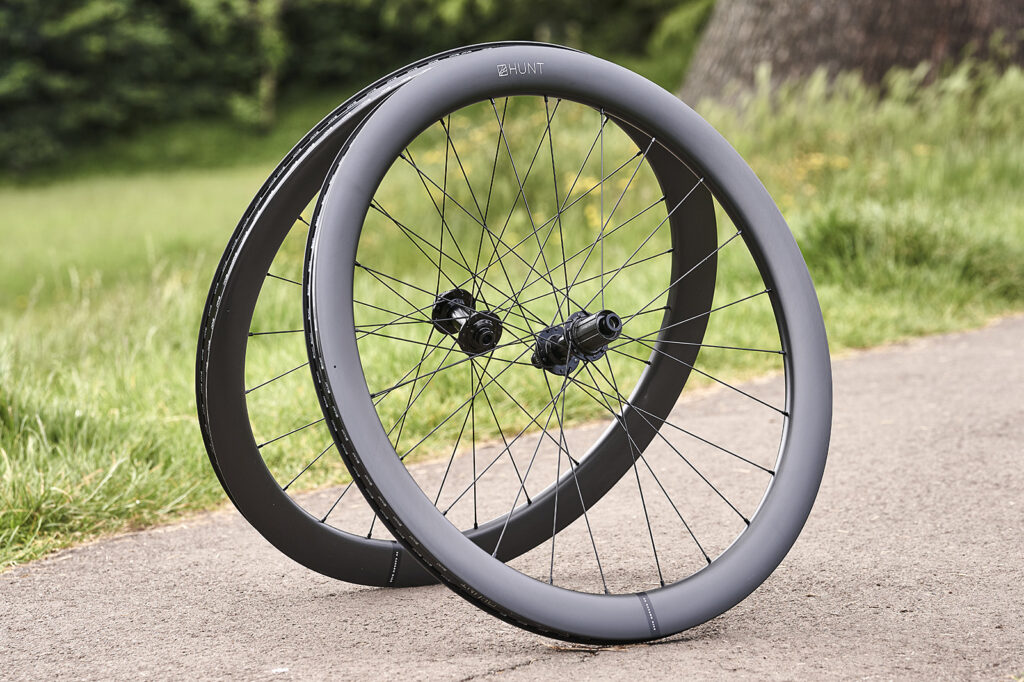
26 MTB wheels remain a practical and popular choice for mountain bikers, despite the rise of 27.5-inch and 29-inch alternatives. These wheels, defined by a 559 mm bead-seat diameter (BSD)—the critical measurement ensuring tire compatibility—continue to serve a vital role in diverse mountain biking applications. While commonly marketed under the “26-inch” label, it’s essential to distinguish these as mountain bike-specific wheels to avoid confusion with cruiser or road wheel standards.
In this comprehensive guide, we’ll walk you through everything you need to know to confidently purchase the right 26 MTB wheels for your bike and riding style. Whether you’re upgrading an older bike, setting up a dirt-jump rig, or equipping a fat bike, this resource covers all the nuances and considerations.
Why 26-Inch MTB Wheels Remain Popular for Modern Riders
While modern mountain bikes often adopt 27.5-inch or 29-inch wheels, there are several reasons why 26-inch MTB wheels retain their appeal:
Key Use Cases for 26-Inch MTB Wheels
- Older Mountain Bikes: Many mountain bikes from previous decades were designed around 26-inch wheels. Converting to a different size is often expensive or impractical, making 26-inch replacements the go-to choice for continued use.
- Dirt-Jump and Pump-Track Bikes: The smaller diameter of 26-inch MTB wheels makes them lighter, more agile, and ideal for quick movement, jumps, manuals, and tight transitions.
- Bikes for Smaller Riders and Juniors: 26-inch wheels are proportionally better suited to compact frames, junior mountain bikes, and smaller-statured riders where clearance and handling are critical.
- Technical Trails: On tight, technical singletracks with sharp turns and quick maneuvering needs, 26-inch wheels excel by providing precision and a nimble feel.
- Fat-Bike Users: Some fat bikes designed for soft terrain, like snow or sand, use 26-inch rims with very wide tires.
The Trade-Off: Rolling Performance
One downside of 26-inch wheels compared to larger alternatives is their reduced ability to roll over obstacles such as roots, rocks, and steps. However, quick handling, responsive steering, and affordability make 26 MTB wheels a strong choice for specific applications.
For more information on the historical shift and use cases of 26-inch MTB wheels, this resource provides excellent context.
Understanding 26-Inch MTB Wheel Specifications
To make informed purchasing decisions, it’s important to understand the key technical aspects of 26 mountain bike wheels.
What Is a 26 MTB Wheelset?
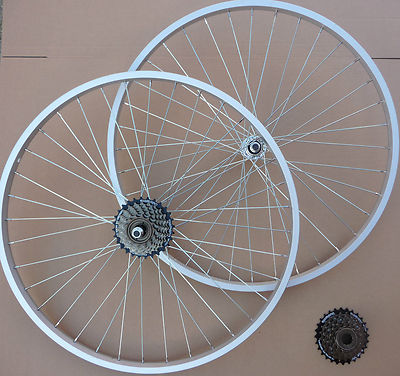
A basic 26 MTB wheelset typically includes:
- Front and rear rims
- Hubs (front and rear)
- Spokes and nipples
- Bearings
- A freehub body on the rear hub
- Rim tape (optional)
- Quick-release skewers or thru-axle hardware, depending on the axle standard
These wheels feature a 559 mm BSD, which ensures compatibility with 26-inch tires designed for mountain biking. As an example, a tire marked “26 × 2.1” (or labeled “54-559”) will work with a rim that measures 559 mm in diameter. Don’t rely on the marketing “26-inch” label alone—always confirm the BSD. For more technical details, REI offers a great guide.
Hub Spacing and Axle Type Compatibility
Hub and axle specifications must align perfectly with your bike’s frame and fork. Here’s a breakdown of common standards for 26 MTB wheels:
| Axle Type | Measurement (mm) |
|---|---|
| Front Quick Release | 9 × 100 mm |
| Rear Quick Release | 10 × 135 mm or 9 × 135 mm |
| Front Thru-Axle | 15 × 100 mm or 20 × 110 mm |
| Rear Thru-Axle | 12 × 142 mm |
Quick-release (QR) and thru-axle components are not interchangeable without adapters, and even adapters may not always provide adequate compatibility. Double-check:
- Hub width
- Axle diameter
- Frame and fork specifications
For more details on axle standards, check out this guide.
Brake-Rotor Mounting Interface
Your replacement wheelset’s hub must match your bike’s brake compatibility:
- Six-Bolt: Utilizes bolts to attach the rotor.
- Center Lock: Uses a lockring system to secure the rotor.
Adapters exist but can complicate matters. It’s always best to match the new wheels to your current rotor mounting style. For more, you can check here.
Freehub Body and Drivetrain Compatibility
The freehub body on the rear wheel determines whether your bike’s cassette will fit:
- Shimano HG: Common on most 26 inch mountain bike wheels.
- Threaded Freewheel: Found on some older 26-inch wheelset designs.
Ensure your new wheelset matches the drivetrain speed and type (e.g., 8-speed, 9-speed) on your bike. Keep in mind that cassettes are not compatible with freewheel hubs.
Rim Materials: Aluminum vs. Carbon
The wheel rim’s material affects weight, durability, and cost. Choose based on your usage and budget.
Aluminum Rims
- Cost-effective and widely available
- Greater impact tolerance
- Easier to repair dents
- Ideal for recreational riders, budget-conscious buyers, and dirt jumpers.
Carbon Rims
- Lightweight and stiff
- Superior ride quality for competitive performance
- More expensive and harder to repair if damaged
- Best for riders seeking weight savings or premium finishes.
Rim Width and Tire Compatibility
Rim width plays a critical role in tire stability and performance. For 26-inch MTB wheels, an internal rim width of 23–30 mm is ideal for tires with widths ranging from 2.0 inches to 2.6 inches.
Misaligned rim and tire sizes can cause issues:
- Narrow rims may lead to unstable wide tires.
- Wide rims can balloon narrow tires.
Check both tire and rim manufacturer specifications before purchasing. Read more for additional guidance.
Hubs and Bearings: Quality and Durability
Bearing Types
- Cup-and-Cone Bearings: Serviceable but require regular adjustment to maintain performance.
- Cartridge Bearings: Pre-installation requires less maintenance and spares are widely available.
- Sealed Bearings: Excellent for wet or muddy conditions, offering better protection against grit and water.
When choosing hubs, prioritize:
- Easy servicing
- Availability of bearing and hub parts
- Solid seals to keep contaminants out.
Freehub Engagement
High-engagement freehubs improve acceleration during stops and starts (useful on technical terrain). Casual riders can prioritize durability over high engagement.
For riders targeting weight optimization for speed, it’s worth investing in hubs offering reduced drag along with high engagement.
Maintenance Checklist for 26 MTB Wheels
Frequent maintenance ensures your 26 MTB wheelset remains in top shape. Key tasks include:
- Regularly cleaning rims and hubs
- Checking spoke tension and trueness
- Servicing hub bearings
- Replacing bent or cracked spokes
- Maintaining proper tire pressure.
Conclusion
26 inch MTB wheels continue to serve specific applications exceptionally well. Key takeaways:
- Prioritize wheel compatibility with your bike’s hub spacing, axle type, brake rotor interface, and freehub body.
- Choose a reliable rim material and design.
- Match rim width with tire size for optimal performance.
Use this guide and checklist to confidently choose the right set of 26 MTB wheels for your unique needs. Whether you’re replacing the wheels on your trusty old mountain bike or assembling one tailored for jumping or technical trails, 26-inch wheels deliver a reliable combination of affordability, agility, and accessibility.
Frequently Asked Questions
Are 26-inch MTB wheels obsolete?
Not at all. While less common on new high-end trail bikes, they are the standard for dirt-jump and pump-track bikes, many fat bikes, and are essential for maintaining and upgrading older mountain bikes designed for this size.
Can I put a 27.5-inch wheel on my 26-inch bike?
It’s generally not recommended. A larger wheel can cause clearance issues with the fork and frame, and it will alter the bike’s geometry, negatively affecting handling and steering. It’s best to stick with the wheel size the bike was designed for.
What is the most important thing to check for compatibility?
There isn’t just one. You must check four key things: hub spacing (e.g., 100mm front, 135mm rear), axle type (quick-release or thru-axle), brake rotor mount (6-bolt or Center Lock), and the freehub body’s compatibility with your cassette.
Is an aluminum or carbon rim better for 26-inch wheels?
It depends on your priority. Aluminum rims are more affordable, durable against impacts, and easier to repair, making them great for general use and dirt jumping. Carbon rims are lighter and stiffer, offering a performance advantage for riders focused on speed and weight savings, but they come at a higher cost.