
Estimated reading time: 34 minutes
Key Takeaways
- Performance Gains: Carbon wheels offer significant, immediately noticeable improvements in weight reduction, aerodynamic efficiency, and responsive stiffness compared to aluminum wheels.
- Key Buying Factors: Your purchasing decision should be guided by four critical factors: your budget, your primary riding style and terrain, your bike’s brake type (disc vs. rim), and frame compatibility.
- Rim Depth Matters: Choose a rim depth that matches your riding. Shallow rims (<30mm) are for climbing, medium rims (35-45mm) are for all-around versatility, and deep rims (>45mm) are for maximum speed on flat terrain.
- Compatibility is Crucial: You must confirm that the wheel diameter, axle type, and brake system of your new wheels are compatible with your bike’s frame and fork. These are not interchangeable.
- Durability & Maintenance: Modern carbon wheels are durable for everyday use but require proper care. This includes regular inspections and, for rim brake models, using only carbon-specific brake pads.
Table of Contents
- Why Choose Carbon Wheels? The Key Benefits Explained
- Types of Carbon Wheels: Finding the Right Profile for Your Riding
- The Complete Carbon Wheel Buyer’s Checklist: 5 Critical Decisions
- Choose the Right Carbon Wheels for Your Riding Style
- Best Carbon Wheels Across Different Categories
- Caring for Your Carbon Wheels: Maintenance and Longevity Guide
- Making Your Final Carbon Wheel Decision: A Summary Guide
- Frequently Asked Questions
Upgrading to carbon fiber wheels is one of the most significant performance decisions a cyclist can make. Whether you’re looking to shave seconds off your time, climb more efficiently, or simply enjoy a more responsive ride, carbon wheels deliver noticeable improvements that transform your cycling experience.
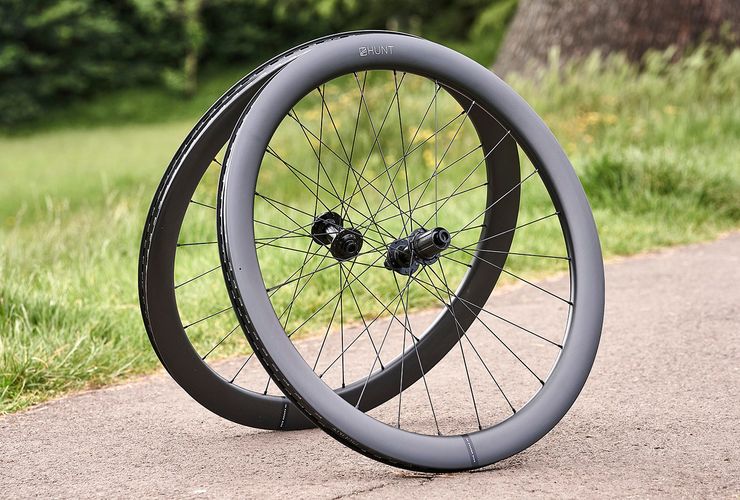
What exactly are carbon fiber wheels? Carbon fiber wheels are lightweight, high-performance bicycle wheelsets made with carbon rims and components designed to improve speed, aerodynamics, and handling. It’s important to understand that when we talk about “carbon wheels,” we’re typically referring to the rim material rather than every part being carbon. A complete carbon wheelset includes carbon rims plus spokes, hubs, braking-related parts, valves, and a freehub.
Why do cyclists upgrade to carbon bike wheels? The answer is simple: carbon wheels are generally lighter and more aerodynamic than aluminum wheels. Many riders also seek the better stiffness and faster acceleration feel that quality carbon bicycle wheels provide. These performance gains are immediately noticeable, especially during climbs, sprints, and sustained efforts on flat terrain.
The buying process doesn’t need to be complicated. The most important purchasing decisions come down to four key factors: your budget, the rim depth that matches your riding style, your bike’s brake type, and the terrain where you ride most often. These factors determine whether the wheels will actually match your specific needs and deliver the performance improvements you’re looking for.
This comprehensive guide walks you through every critical decision point, helping you find the best carbon wheels for your riding style, budget, and goals.
Why Choose Carbon Wheels? The Key Benefits Explained
Before diving into specific buying criteria, it’s essential to understand exactly what performance advantages carbon cycling wheels offer over traditional aluminum options.
Weight Reduction Advantage
Carbon wheels are typically lighter than metal (aluminum) alternatives, which directly helps with climbing performance and acceleration. This weight advantage isn’t just about total bike weight—it’s specifically about rotational weight.
A lighter wheelset means less rotational weight, which improves how quickly the bike accelerates and reduces the energy required to climb hills. Every rotation requires less effort, and this efficiency compounds over the course of a ride or race.
For climbing-focused cyclists, this weight reduction can mean the difference between maintaining your pace on steep gradients and struggling to keep momentum. The best carbon wheels in the lightweight category can save 200-400 grams compared to mid-range aluminum wheelsets—weight savings you’ll feel on every climb.
Aerodynamic Performance
Deeper carbon rims are specifically designed to reduce drag, especially at higher speeds and on flatter terrain. This aerodynamic advantage becomes increasingly important as your speed increases.
Aerodynamic rim profiles minimize air resistance during riding, making them particularly beneficial for riders focused on speed and competitive cycling on flat or rolling courses. Wind tunnel testing consistently shows that full carbon wheels with optimized profiles can save measurable watts at cruising speeds above 25 km/h.
The aerodynamic benefit isn’t just theoretical. Riders switching from traditional box-section aluminum rims to aero carbon bicycle wheels often report being able to maintain higher average speeds with the same perceived effort level.
Stiffness and Responsive Handling
Carbon bike wheels are often chosen for their efficient power transfer and sharp handling feel. This stiffness characteristic is one of the most immediately noticeable differences when upgrading.
The stiffness of carbon rims means that pedal power translates more directly into forward motion with less flex, resulting in a responsive, efficient ride feel that many performance-focused cyclists prioritize. When you sprint or accelerate hard, you want every watt going into forward motion rather than being absorbed by wheel flex.
This responsive handling also improves cornering confidence and bike control, especially at higher speeds or during technical descents. The lateral stiffness of quality carbon wheels provides precise steering input and stable handling characteristics.
Braking Performance
Many modern carbon wheel systems are designed around disc brakes for improved stopping power and modulation, while rim-brake carbon bicycle wheels remain an option for compatible bikes.
Disc brakes on carbon wheels offer consistent braking performance in wet conditions and allow for more precise braking control, which is important for safety and ride confidence. Unlike rim-brake carbon wheels, disc-brake versions don’t require special brake pads or different braking techniques.
For rim-brake carbon wheels, modern braking surfaces have improved dramatically over early carbon rim technology. Today’s rim-brake carbon wheels provide reliable, predictable braking in most conditions, though wet-weather performance still requires appropriate brake pads and technique adjustments.
Types of Carbon Wheels: Finding the Right Profile for Your Riding
Understanding the different types of carbon fiber wheels available is essential for making an informed purchase decision. Each type offers distinct advantages and tradeoffs.
Full Carbon Wheels vs. Partial Carbon Wheels
Full Carbon Wheels
Wheels where the entire rim structure is made from carbon fiber represent the premium option in the carbon wheel market.
Full carbon wheels are best for riders seeking maximum weight reduction and aerodynamic benefits. The complete carbon construction allows manufacturers to optimize every aspect of the rim profile for performance.
The key tradeoff is that full carbon wheels are usually more expensive than partial carbon alternatives. However, the performance benefits—especially for competitive cyclists—often justify the investment.
Partial Carbon Wheels
Wheels that combine carbon components with aluminum or other materials offer a middle ground between performance and cost.
Partial carbon wheels are best for buyers wanting some performance gains at a lower cost. These hybrid designs might feature carbon rim sections with aluminum braking surfaces or other material combinations.
The key tradeoff is that partial carbon options provide less of a performance upgrade than full carbon wheels. They’re typically lighter than all-aluminum wheels but heavier than full carbon, and they may not offer the same aerodynamic optimization.
Choosing the Right Rim Depth: Shallow, Medium, or Deep
Rim depth is one of the most important specifications when selecting the best carbon wheels for your needs. Different depths serve different purposes.
Shallow Rims (typically 30 mm or less)
Shallow rim carbon bike wheels are best for climbing-focused riders and riders in technical terrain or strong crosswinds.
Performance characteristics:
- Lighter weight for easier climbing
- Better stability in crosswinds
- Improved handling in technical situations
- Less aerodynamic advantage at speed
The tradeoff is less aerodynamic benefit compared to deeper rims. If you’re primarily riding flat terrain at high speeds, shallow rims won’t provide the drag reduction of deeper profiles.
Medium Rims (typically 35-45 mm)
Medium rim carbon cycling wheels are best for all-round road riding and mixed terrain.
Performance characteristics:
- Good balance between weight, aerodynamics, and handling
- Versatile for various riding conditions
- Manageable in moderate crosswinds
- Suitable for most recreational and competitive road cycling
The tradeoff is that medium-depth wheels are less specialized than deep rims. They won’t climb as easily as shallow wheels or provide the same aero advantage as deep-section wheels.
Deep Rims (typically 45-65 mm or deeper)
Deep rim carbon wheels are best for flat courses, time trials, criteriums, and triathlon riding.
Performance characteristics:
- Maximum aerodynamic advantage
- Excellent for speed-focused riding on flat terrain
- Deeper profiles (55-65 mm) particularly suited for time trial and triathlon applications
- Can look visually striking on a bike
Tradeoffs include:
- Heavier weight compared to shallow wheels
- Can be harder to handle in strong crosswinds
- Less suitable for climbing-heavy routes
- Often more expensive than shallower options
Clincher, Tubular, and Tubeless: Which Format is Right for You?
The tire and wheel format you choose affects convenience, performance, and maintenance requirements.
Clincher Wheels
Clincher carbon bicycle wheels are designed to work with clincher tires that have a bead that hooks into the wheel rim—the traditional tire system most cyclists are familiar with.
Best for: General-purpose road and gravel cycling
Advantages:
- Easier to buy, maintain, and repair compared to other formats
- Wide price range available
- Flat tires can be changed roadside with minimal tools
- Tire options are plentiful and affordable
Clincher wheels represent the most straightforward entry point into carbon wheels for most riders.
Tubular Wheels
Tubular carbon wheels are designed for tubular tires (also called “sew-ups”) that are glued onto the rim surface.
Best for: Racing contexts and professional applications
Advantages:
- Superior aerodynamics and performance potential
- Can be ridden flat to the finish in an emergency
- Slightly lighter than equivalent clincher setups
Disadvantages:
- More expensive for both wheels and tires
- Less convenient for everyday riders
- Repairs are more complex and time-consuming
- Requires gluing or tape installation skills
Tubular wheels are increasingly rare outside of professional racing, as tubeless technology has captured many of their advantages with greater convenience.
Tubeless-Ready Wheels
Tubeless-ready carbon cycling wheels are designed to accommodate tubeless tires without requiring an inner tube.
Best for: Modern road, gravel, and mountain cycling; riders seeking puncture resistance and setup flexibility
Advantages:
- Improved puncture resistance (sealant plugs small holes automatically)
- Ability to run lower tire pressures for better comfort and traction
- Flexibility in tire choice (can run tubeless or with tubes)
- Lower rolling resistance compared to clincher with tubes
Tubeless-ready wheels have become the modern standard for new carbon wheelsets, offering the best balance of performance, convenience, and versatility.
The Complete Carbon Wheel Buyer’s Checklist: 5 Critical Decisions
Making the right carbon fiber wheels purchase requires evaluating several critical factors. Follow this checklist to ensure you select wheels that match your needs.
Step 1: Determine Your Budget Range
Setting a clear budget range first helps narrow the field quickly, as carbon wheel pricing varies widely.
Why budget matters: Carbon bike wheels range from approximately $300 to $3,000+ per wheelset. Your budget directly affects the weight, hub quality, material quality, and features available.
What to consider: Budget should account for the complete wheelset cost (both front and rear wheels) rather than individual wheels. Some manufacturers price wheels individually, while others sell complete sets.
Budget implications:
- $300-$700: Entry-level full carbon wheels or quality partial carbon options
- $700-$1,500: Mid-range full carbon wheels with quality hubs and good all-round performance
- $1,500-$2,500: Premium carbon wheels with advanced materials, lighter weights, and high-end hubs
- $2,500+: Top-tier racing wheels with cutting-edge technology and minimal weight
Higher budgets typically allow for lighter weights, more advanced materials, and better hub quality. However, even entry-level carbon wheels deliver significant performance improvements over aluminum alternatives.
Step 2: Confirm Wheel Size and Frame Compatibility
Before selecting any carbon wheels, you must verify they’ll actually fit your bike.
What to verify:
- Diameter: Confirm whether your bike uses 700c (standard road), 650b, 29″, 27.5″, 26″, or another diameter
- Internal rim width: Affects tire compatibility and performance characteristics
- Axle type: Quick release (QR) vs. thru-axle (12mm or 15mm front, 12mm rear)
- Axle spacing: Old standard (130mm rear) vs. modern (135mm, 142mm, or 148mm boost)
- Frame clearance: Ensure rim depth and width will clear your frame and fork
Technical detail: Wrong wheel size or incompatible axle types will prevent the wheels from fitting on the bike. Internal rim width affects tire compatibility and performance—wider internal widths support wider tires and lower pressures.
How to check: Review your bike’s frame specifications (often listed on the manufacturer’s website) and measure your current wheel’s axle type and spacing. If unsure, consult with a local bike shop before purchasing.
Step 3: Match Your Brake System (Disc or Rim Brakes)
Brake compatibility is non-negotiable when purchasing carbon bicycle wheels.
Why this matters: Riders must ensure the carbon wheels match their bike’s disc or rim brake setup, as these are not interchangeable. A disc-brake wheelset cannot be used on a rim-brake bike, and vice versa.
Disc Brake Carbon Wheels:
- Designed with a rotor mounting surface (centerlock or 6-bolt)
- Becoming the modern standard for road, gravel, and mountain bikes
- Offer superior wet-weather braking performance
- Don’t wear down the rim surface through braking
- Generally more expensive but more versatile
- Designed with braking surfaces on the rim itself
- More common on older road bikes and some lightweight climbing bikes
- Require carbon-specific brake pads
- Rim surface gradually wears from braking friction
- Often lighter and less expensive than disc equivalents
Decision point: Check your current bike’s brake system before selecting carbon fiber wheels. If your bike has disc brakes, you must purchase disc-brake wheels. If it has rim brakes, you must purchase rim-brake wheels.
Step 4: Evaluate Hub Quality and Bearing Systems
Hub quality significantly impacts the long-term performance and value of your carbon bike wheels.
Why hub quality matters: Better hubs and bearings can significantly improve durability, rolling feel, and long-term value of the wheelset. Hubs are the mechanical heart of the wheel—they determine how smoothly the wheel spins and how long it will perform reliably.
What to look for:
- Hub brand reputation: Research manufacturer quality (examples include DT Swiss, Shimano, Chris King, and others)
- Bearing type: Cartridge bearings (sealed, replaceable) vs. cup-and-cone (adjustable, serviceable)
- Bearing quality: Better bearings use higher-grade materials and tighter tolerances
- Serviceability: Can you or your mechanic service or replace bearings?
- Engagement mechanism: For rear hubs, how many engagement points (affects responsiveness)
Technical detail: Higher-quality hubs typically have smoother bearings, lower rolling resistance, and can be serviced or adjusted by the rider or mechanic. This means they maintain performance longer and can be rebuilt rather than replaced.
Long-term value: Investing in hub quality often means the wheelset will retain performance and value longer. Budget wheels sometimes cut costs by using lower-quality hubs that feel rough or develop play within a year or two.
Step 5: Consider Spoke Count and Lacing for Your Weight and Terrain
Spoke configuration affects wheel performance, durability, and ride quality.
What spoke count means: Wheels typically come with 16, 20, 24, 28, or 32 spokes per wheel. Lower spoke counts reduce weight, while higher spoke counts provide more support and durability.
Performance implications:
- Lower spoke counts (16-20): Lighter weight, more aerodynamic, stiffer feel, best for lighter riders and smooth roads
- Medium spoke counts (24-28): Balanced performance, suitable for most riders and conditions
- Higher spoke counts (28-32): More durable, better for heavier riders, rough roads, or gravel terrain
Recommendations:
- Lighter riders (under 70 kg / 155 lbs) and climbing-focused cyclists may benefit from lower spoke counts (16-20)
- Average-weight riders on mixed terrain typically do well with 24-spoke wheels
- Heavier riders (over 90 kg / 200 lbs) or gravel riders may prefer more spokes (28-32) for added support and durability
Lacing pattern: Different lacing patterns (radial, crossed) also affect stiffness and weight. Radial lacing (spokes run straight from hub to rim) is lighter and stiffer but can be less durable. Crossed lacing (spokes cross each other) distributes stress better and is more durable.
Choose the Right Carbon Wheels for Your Riding Style
The best carbon wheels for you depend heavily on where and how you ride. Match your wheel choice to your primary riding style for optimal performance.
Climbing and Mountain Passes
If you spend most of your time climbing or riding in mountainous terrain, wheel selection should prioritize low weight over aerodynamics.
Recommended profile: Shallow or lighter rims, specifically 30 mm or shallower for climbers and technical road riders.
Why this works: Shallow rims minimize weight and wind resistance, making acceleration and climbing easier. Every gram saved on the wheels is weight you don’t have to carry up the mountain. The reduced rotational weight means less energy required for each pedal stroke when climbing.
Spoke consideration: Climbing-focused wheels may benefit from higher spoke counts (24-28) for additional support on technical terrain, especially if you’re descending on rough mountain roads.
Additional benefits: Shallow carbon bike wheels also handle better in gusty mountain winds and technical descents where precise bike control is essential.
Flat Terrain and Criterium Racing
Riders who focus on flat courses, criteriums, or fast group rides should prioritize aerodynamic performance.
Recommended profile: Medium to deep rims in the 45-60 mm range for aerodynamic advantage.
Why this works: Deeper rims reduce air drag on flat terrain, allowing riders to maintain higher speeds with less effort. At speeds above 30 km/h, aerodynamic drag becomes the primary resistance force, and deeper carbon cycling wheels can save measurable watts.
Performance focus: These full carbon wheels are optimized for speed and power efficiency on flat or rolling courses. The aerodynamic benefits become more pronounced as speed increases, making them ideal for criteriums where average speeds are high.
Handling consideration: Medium-depth wheels (45-50 mm) offer good aero benefits with manageable crosswind handling, while deeper options (55-60 mm) maximize aero performance for riders comfortable handling wind.
Time Trials and Triathlon
Time trial and triathlon specialists need maximum aerodynamic optimization for sustained efforts against the clock.
Recommended profile: Even deeper aero profiles, with 55-65 mm deep carbon rims recommended for this use case.
Why this works: Maximum aerodynamic profile minimizes drag during long sustained efforts where small speed gains compound significantly. In time trial and triathlon events, every second counts, and aerodynamic wheels can save 30-60 seconds over a 40 km effort compared to shallow wheels.
Additional consideration: Time trial specialists may benefit from disc-only rear wheel designs (solid disc wheel) for further aero optimization, though these are restricted to certain courses without significant wind or technical sections.
Front wheel choice: Pairing a 55-65 mm deep front wheel with an even deeper or disc rear wheel is common in time trial setups, balancing aerodynamics with steering control.
Gravel, Mixed Terrain, and Adventure Riding
Gravel and adventure riders need carbon bicycle wheels that prioritize durability, versatility, and tire compatibility over pure race performance.
Recommended focus: Prioritize durability, tubeless compatibility, and the right internal rim width for wider tires.
Technical considerations:
- Internal rim width: Gravel riders should look for wheels designed to accommodate 40-50 mm tires safely; internal rim width directly affects tire compatibility
- Tubeless-ready: Essential for gravel riding to allow lower pressures and puncture protection
- Rim depth: Generally shallower (30-40 mm) for better handling on varied terrain
- Spoke count: Robust spoke counts (24-28 minimum) for unpredictable gravel surfaces
Build quality: Robust spoke counts and quality hubs are particularly important for unpredictable gravel terrain where wheels face impacts from rocks, roots, and rough surfaces.
Versatility: The best carbon wheels for gravel can also double as all-road wheels, working well on pavement when fitted with narrower tires.
Best Carbon Wheels Across Different Categories
Finding the right carbon cycling wheels means matching features to your specific needs and budget. These categories help guide your search.
Note: These recommendations are based on published reviews and expert guidance. Readers should research specific models based on their exact requirements, as individual needs vary significantly.
Best Budget Carbon Wheels: Value Without Breaking the Bank
Target buyer: Riders looking for their first carbon wheelset upgrade or those with budget constraints.
What to look for: A mid-priced carbon wheelset (typically $300-700 per wheelset) with proven durability, positive user reviews, and solid warranty support.
What this includes:
- Full carbon rims with quality construction
- Reliable hubs with serviceable bearings
- Reasonable spoke counts (20-24 typically)
- Tubeless-ready capability in most modern options
- Disc or rim brake options available
Caveat: Budget options may have heavier weights or less advanced hub technology than premium options, but they still provide genuine performance improvements over aluminum wheels. The weight savings and improved aerodynamics are real, even if not as dramatic as top-tier options.
Value proposition: Budget carbon bike wheels typically deliver 70-80% of premium wheel performance at 30-40% of the cost, making them excellent choices for recreational riders and those new to carbon wheels.
Best Performance Carbon Wheels: Maximum Speed and Aero
Target buyer: Competitive cyclists and riders focused on racing or fast road riding.
What to look for: Deeper aero wheelset (50-65 mm) designed specifically for minimizing drag and maximum aerodynamic optimization.
Premium features:
- Lighter weights (often under 1,500 grams per wheelset)
- Advanced carbon fiber layup and resin systems
- Precision hub systems with high-engagement mechanisms
- Optimized rim profiles from wind tunnel testing
- Potentially disc-only designs for maximum aero benefits
Investment level: Premium performance wheelsets typically cost $1,000-$2,500+ and represent the cutting edge of wheel technology.
Performance gains: The best carbon wheels in this category can save 15-30 watts at racing speeds compared to entry-level wheels—a significant advantage in competitive contexts.
Who benefits most: Racers, time trialists, and riders who regularly maintain high average speeds (30+ km/h) will see the greatest return on investment from premium performance wheels.
Best Value Carbon Wheels: The All-Rounder
Target buyer: Riders seeking balanced performance across multiple riding situations without premium pricing.
What to look for: A well-reviewed all-rounder wheelset that balances weight, stiffness, aerodynamics, and price (typically $500-$1,200).
Characteristics:
- Medium rim depth (35-45 mm)
- Versatile for various terrains and riding intensities
- Quality hubs and reliable build
- Usually tubeless-ready
- Weight around 1,500-1,700 grams per wheelset
Why value matters: These full carbon wheels offer 80% of premium performance at 50% of the cost, making them excellent for most road cyclists. They’re deep enough to provide aerodynamic benefits but light enough to climb reasonably well.
Ideal applications: Training rides, gran fondos, club rides, recreational racing, and all-around road cycling. These wheels do everything reasonably well without excelling in one specific area.
Long-term satisfaction: Value-category wheels often provide the best satisfaction-to-cost ratio because they deliver significant improvements without the premium pricing that shows diminishing returns.
Best Carbon Wheels for Beginners: Easy to Use and Maintain
Target buyer: First-time carbon wheel buyers who prioritize ease of use and straightforward maintenance.
What to look for: Clincher or tubeless-ready all-round wheelset (30-45 mm rim depth) that is easy to maintain, comes with clear instructions, and has responsive customer support.
Beginner-friendly features:
- Clincher or tubeless-ready format (easier than tubular)
- Moderate rim depth (easier to handle in wind)
- Straightforward hub maintenance
- Clear installation instructions
- Good warranty coverage and customer support access
Why format matters: Clincher wheels are the simplest to understand and maintain—they work just like traditional wheels. Tubeless-ready offers modern benefits (puncture protection, lower pressures) without the complexity of tubular installation.
Budget expectation: Typically $300-$800 for quality beginner-friendly carbon bicycle wheels.
Support considerations: Look for brands with good warranties (2-5 years) and accessible customer service. As a first-time carbon wheel buyer, having support available for questions is valuable.
Growth potential: Quality beginner wheels serve well for years and can be kept as a training wheelset when upgrading to premium wheels later.
Caring for Your Carbon Wheels: Maintenance and Longevity Guide
Proper maintenance ensures your carbon fiber wheels deliver long-lasting performance and value.
Carbon Wheel Durability
Carbon wheels are generally durable and can last many years with proper care—they’re not as fragile as some cyclists fear.
Overall durability: High-quality carbon wheelsets typically retain functionality for 5-10+ years of regular riding when properly maintained. Many riders get significantly longer service life from well-cared-for wheels.
Factors affecting lifespan:
- Riding conditions: Smooth roads extend wheel life; rough, potholed roads accelerate wear
- Maintenance frequency: Regular cleaning and inspection prevent small issues from becoming major problems
- Rider weight: Heavier riders put more stress on wheels, particularly spokes and hubs
- Impact incidents: Major impacts (potholes, crashes) can damage carbon rims
Real-world performance: The best carbon wheels from reputable manufacturers have proven track records of durability. Many riders report 20,000-50,000+ km of use without structural issues.
Material advantages: Carbon fiber doesn’t corrode like aluminum and maintains structural integrity over time. However, impact damage to carbon can be more serious than aluminum, so avoid major impacts when possible.
Key Maintenance Steps to Maximize Wheel Life
Regular maintenance keeps carbon bicycle wheels performing optimally and helps identify issues before they become serious.
Regular inspections:
- Brake surfaces (rim brakes): Check braking surfaces for wear indicators; most rim-brake carbon wheels have wear indicators showing when rims need replacement
- Spokes: Inspect for cracks, looseness, or damage; squeeze parallel spoke pairs to check for even tension
- Hubs: Verify hub bearing smoothness by spinning wheels and feeling for roughness or play
- Rim structure: Look for cracks, delamination, or damage, especially after impacts
Brake surface care (rim brakes):
- Clean brake surfaces regularly with isopropyl alcohol
- Ensure brake pads are properly aligned to prevent uneven wear
- Use carbon-specific brake pads only (never use aluminum brake pads on carbon rims)
- Check brake pad wear and replace when worn
Hub lubrication and bearing service:
- Service cartridge bearings annually (or per manufacturer recommendation)
- Cup-and-cone bearings may need more frequent adjustment
- Listen for bearing roughness or grinding sounds
- Replace bearings if they feel rough or have play
Spoke tension:
- Monitor spoke tension through periodic professional trueing
- Have wheels professionally trued if they develop wobbles
- Proper spoke tension maintains wheel alignment and structural integrity
Tire maintenance:
- Ensure tires are properly inflated to recommended pressures
- Check for tire wear and damage regularly
- For tubeless setups, refresh sealant every 3-6 months
- Inspect tire bead seating, especially on tubeless installations
Understanding Warranties and Support
Warranty coverage provides protection and peace of mind when investing in full carbon wheels.
Standard warranty coverage: Most reputable carbon wheel manufacturers offer warranties covering manufacturing defects (typically 2-5 years).
What warranties typically cover:
- Material defects and delamination
- Structural failures due to manufacturing issues
- Bearing failures within warranty period
- Hub body defects
What warranties generally DO NOT cover:
- Impact damage from crashes or potholes
- Normal wear (brake surface wear, bearing wear)
- Damage from improper installation or maintenance
- Cosmetic damage (scratches, scuffs)
Warranty importance: Check warranty terms before purchasing, as this reflects manufacturer confidence and provides consumer protection. Longer warranties generally indicate higher manufacturer confidence in their products.
Extended support: Some brands offer crash replacement programs or discounted repair services that add value beyond standard warranties. These programs can provide significant savings if you damage wheels in a crash.
Registration: Register your wheels after purchase to ensure warranty coverage. Keep purchase receipts and documentation.
When to Repair, When to Replace
Knowing whether to repair or replace damaged carbon bike wheels helps you make cost-effective decisions.
- Spoke breakage (individual spoke replacement)
- Hub bearing issues (bearing replacement or service)
- Minor rim dents or scratches (cosmetic, not structural)
- Freehub body replacement
- Brake surface contamination (cleaning)
When to repair: If damage is localized and the brand supports repairs, repair may be more cost-effective than replacement. Spoke replacement typically costs $20-50, bearing service $30-80, and these repairs can extend wheel life significantly.
Irreparable damage:
- Structural rim cracks in the carbon
- Delamination of carbon layers
- Major impact damage affecting rim shape
- Damage affecting multiple spokes or spoke holes
- Severe brake surface wear beyond indicators (rim brake wheels)
When to replace: Structural rim damage, large cracks in the carbon, or damage affecting multiple spokes may warrant complete replacement. Safety should always be the priority—damaged carbon rims can fail catastrophically.
Upgrade decision: Determine whether the current wheelset is limiting performance or safety:
- If wheels are still functional but you want better performance, upgrading makes sense
- If wheels have served well but are showing age, consider upgrade rather than repair
- If you’ve grown as a cyclist, your original wheels may no longer match your needs
Cost-benefit analysis: Compare repair costs against the cost of new wheels and potential performance gains:
- Repair if: Cost is under 30% of replacement cost and wheels still meet your needs
- Replace if: Repairs approach 50% of new wheel cost or current wheels no longer suit your riding
Making Your Final Carbon Wheel Decision: A Summary Guide
Choosing the right carbon fiber wheels comes down to matching your specific needs with the right wheel characteristics. Here’s your final decision framework.
Recap the decision framework – prioritize these four critical factors:
- Budget – Determines your initial product range and available features. Set a realistic budget that includes both wheels and any necessary accessories (tubeless sealant, rim tape, etc.).
- Rim Depth – Must be matched to riding style and terrain. Shallow for climbing, medium for versatility, deep for flat/fast riding.
- Brake Type – Must match your bike’s existing system. Disc and rim brake wheels are not interchangeable.
- Ride Style – Determines whether climbing, aero, or all-round wheels are best. Be honest about where you ride most often.
Quick matching guide – find your situation:
Climbers → Shallow rims (≤30mm), lighter weight, higher spoke counts acceptable. Prioritize weight savings over aerodynamics.
Flat/crit riders → Medium-deep rims (45-60mm), aerodynamic profiles, quality hubs for smooth rolling. Balance aero with manageable weight.
Time trial/triathlon riders → Deep rims (55-65mm), maximum aero optimization, consider disc rear wheels. Prioritize aerodynamics above all.
Gravel riders → Tubeless-ready, durable construction, appropriate internal rim width (23-25mm internal), robust spoke counts (24-28). Prioritize durability and tire compatibility.
Budget-conscious → Mid-priced all-rounders with proven reviews, 35-45mm depth, solid warranties. Focus on value and reliability over cutting-edge performance.
First-time buyers → Clincher or tubeless-ready all-rounder, 30-45mm depth, good customer support, straightforward maintenance. Prioritize ease of use and support.
Encouragement to invest: Upgrading to quality carbon wheels is a worthwhile investment for cyclists committed to performance improvement. The benefits in weight reduction, improved aerodynamics, and enhanced responsiveness are immediately noticeable from the first ride.
Unlike many bike upgrades that provide marginal gains, the best carbon wheels deliver transformative performance improvements that you’ll feel on every ride. Whether you’re climbing, sprinting, or maintaining speed on flat roads, quality carbon bicycle wheels enhance the entire riding experience.
Call-to-action – take these steps now:
- ✓ Review the buying checklist: Confirm your budget, verify wheel size compatibility, identify your brake type, research hub quality, and consider appropriate spoke count for your weight and terrain.
- ✓ Match your riding style: Use the riding style guide to identify recommended rim depth—be specific about where you ride 80% of the time rather than aspirational edge cases.
- ✓ Research specific models: Within your budget range, read product reviews, check warranty information, and compare specifications across multiple options.
- ✓ Consult with experts: If you have questions about compatibility, reach out to your local bike shop or contact wheel manufacturers directly. Most reputable brands have knowledgeable customer service teams.
- ✓ Consider reading product reviews: Look for long-term reviews (6+ months of use) that discuss durability, hub performance, and real-world riding experience.
Carbon cycling wheels represent a significant performance upgrade that delivers measurable improvements in speed, climbing, and handling. Choosing the right set based on your personal needs, terrain, and budget will deliver years of improved riding experience and cycling satisfaction.
The difference between good carbon wheels and the wrong carbon wheels isn’t quality—it’s fit. A $600 climbing wheelset perfectly matched to your needs will deliver better satisfaction than a $2,000 aero wheelset that doesn’t suit your riding. Take time to honestly assess your priorities, and invest in carbon fiber wheels that match your specific cycling goals.
Frequently Asked Questions
Are carbon wheels worth the investment?
Yes, for cyclists committed to improving performance, carbon wheels are one of the most impactful upgrades you can make. They offer immediately noticeable improvements in weight, speed, and handling that truly transform the riding experience.
How much lighter are carbon wheels?
A quality lightweight carbon wheelset can be 200-400 grams lighter than a comparable mid-range aluminum set. This reduction in rotational weight makes a significant difference in acceleration and climbing efficiency.
What rim depth is best for an all-around rider?
A medium rim depth of 35-45 mm is typically considered the sweet spot for all-around riding. This profile provides a great balance of aerodynamic benefits on flats, manageable weight for climbing, and stable handling in most conditions.
Are carbon wheels durable enough for everyday riding?
Absolutely. Modern, high-quality carbon wheels are engineered to be very durable and can withstand the rigors of daily riding. With proper maintenance and care, a good set of carbon wheels can last for many years and tens of thousands of kilometers.
Do I need special brake pads for carbon wheels?
If you have rim-brake carbon wheels, the answer is an emphatic yes. You must use carbon-specific brake pads. Using standard pads designed for aluminum rims can cause excessive heat buildup, damage the carbon braking surface, and lead to poor or unsafe braking performance.

