Estimated reading time: 8 minutes
Key Takeaways
-
From Budget to Contender: Chinese carbon wheels have evolved from being seen as cheap knockoffs to legitimate, high-performance options used by amateurs and even pro teams.
-
Affordable Aerodynamics: They offer advanced aerodynamic technology, often at half the price of legacy Western brands, making performance upgrades more accessible.
-
Buyer Diligence is Key: Quality can vary significantly. It’s crucial to choose reputable brands that provide UCI approval, ISO safety standards, and transparent testing results.
-
Performance vs. Practicality: Carbon wheels are ideal for competitive cyclists focused on speed and weight, while aluminum wheels offer better value and durability for casual riding and commuting.
Table of Contents
- What Are Chinese Carbon Wheels?
- Are Carbon Wheels Worth It?
- Carbon vs Aluminum Wheels: Detailed Comparison
- Best Carbon Bike Wheels: Quality Standards & Why Chinese Brands Compete
- Inexpensive Carbon Wheels: Options & Trade-Offs
- Canadian Carbon Wheels vs Chinese Options
- Conclusion
- Frequently Asked Questions
What Are Chinese Carbon Wheels?
Chinese carbon wheels have transformed from budget afterthoughts to legitimate competitors in the cycling market.
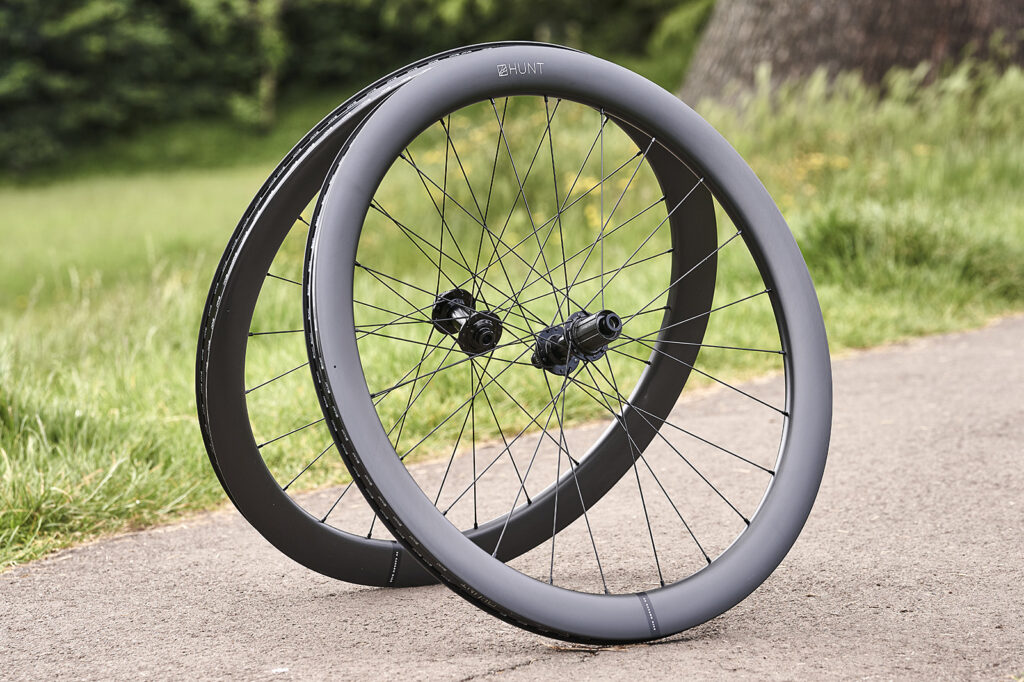
Chinese carbon wheels refer to wheelsets designed and manufactured in China, often sold under Chinese brands or open-mold labels through global e-commerce platforms. Notable brands such as Winspace, Lún, Elitewheels, and Farsports are leading this category, offering wheelsets that feature high-tech designs, UCI approval, and compliance with ISO safety standards.
Initially dismissed as low-quality knockoffs, these wheels are now widely used by amateur racers and even pro-conti level teams due to their excellent performance and affordability. For riders seeking upgraded tech at competitive prices—particularly in the aero wheel segment—Chinese carbon wheels offer “similar technology at half the price” compared to legacy European and North American brands.
That said, quality can vary significantly, making it essential for buyers to conduct due diligence before purchasing.
Core Questions Addressed in This Blog Post:
- Which Chinese carbon wheel brands are trustworthy?
- How do they compare to alloy and premium Western carbon wheels in performance, durability, and support?
- Who stands to benefit most from the cost savings they offer?
Are Carbon Wheels Worth It?
Answering the Key Question: Are Carbon Wheels Worth the Investment?
Why Do Carbon Wheels Command Premium Prices?
Carbon wheels are known for their low weight, high stiffness, and aerodynamic design. These attributes provide tangible performance advantages, including:
- Faster acceleration thanks to reduced rotational inertia.
- Higher average cruising speeds, particularly at speeds exceeding 30–35 km/hr.
- Improved responsiveness during climbs and cornering.
Typical carbon road wheelsets weigh between 1,200–1,600 g, making them significantly lighter than aluminum wheelsets that weigh 1,500–2,000 g. Deeper rim profiles (30–80+ mm) further enhance aerodynamic efficiency—especially important for racing and time trial scenarios.
Understanding Pricing
Considering entry-level carbon wheelsets start at $400–600 while premium models exceed $2,000–3,000, it’s apparent that carbon comes at a price. Aluminum wheels, conversely, often cost 40–60% less, with respectable options priced between $200–600. However, for serious enthusiasts or racers looking to tap into aerodynamic advantages, the investment can be justified.
Dispelling Misconceptions About Carbon Wheels
- “Carbon always breaks easily.”
Modern carbon wheels can last 5-10 years if properly cared for. Failures often occur due to impacts or poor-quality manufacturing, not inherent fragility. - “All carbon is the same.”
The layup process, resin quality, and molding standards vary significantly across manufacturers, making brand selection critical.
When Carbon Wheels Are Worth It
Carbon wheels offer their best value to:
- Competitive cyclists seeking aerodynamic efficiency at higher speeds.
- Riders who tackle frequent climbs and descents, where weight and stiffness enhance performance.
- Gravel riders who need light, responsive disc-brake carbon wheels for mixed terrain.
For casual riders or commuters, aluminum wheels may provide better overall value due to their durability and reduced maintenance costs.
Carbon vs Aluminum Wheels: Detailed Comparison
The choice between carbon vs aluminum wheels ultimately depends on your riding style, budget, and priorities.
| Factor | Carbon Wheels | Aluminum Wheels |
|---|---|---|
| Weight | 1,200–1,600 g (lighter and stiffer) | 1,500–2,000 g (slightly heavier) |
| Aerodynamics | Deep rims (30–80 mm) for aero gains | Shallower rims (20–40 mm); fewer aero benefits |
| Ride Feel | High stiffness; responsive power transfer | More forgiving and comfortable ride |
| Durability | Brittle under impacts; prone to cracks | Typically bends or dents, easier to repair |
| Cost | $400–3,000+ | $100–500 |
| Repairability | Specialized repairs, full rim replacement | Easier truing and spoke replacements |
| Braking (Rim) | Heat build-up on descents, weaker wet braking | Consistent braking and better heat dissipation |
| Lifespan | 5–10 years with care | 10–15 years with maintenance |
Best Carbon Bike Wheels: Quality Standards & Why Chinese Brands Compete
What Defines Quality in Carbon Wheels?
- Consistent layup and curing avoid weak points.
- Reliable hubs and bearings enhance longevity and smooth operation.
- ISO fatigue and impact testing ensures durability under stress.
Why Chinese Brands Compete
Reputable Chinese brands like Winspace, Elitewheels, and Farsports offer direct-to-consumer pricing that eliminates middlemen costs. Many established brands incorporate modern testing labs for quality assurance and transparency.
Inexpensive Carbon Wheels: Options & Trade-Offs
Chinese carbon wheels provide exceptional value, particularly in the $400-$700 range. Brands like Winspace and Elitewheels are known for offering high quality at accessible prices. However, buyers should prioritize documented testing, warranties, and after-sales support to avoid unbranded options of questionable reputation.
Canadian Carbon Wheels vs Chinese Options
Canadian Advantages:
- Easier warranty and return process.
- Local dealer networks for servicing.
Chinese Advantages:
- Significant cost savings even after import duties and taxes.
- Competitive performance at budget-friendly pricing.
Conclusion
The Verdict: Chinese carbon wheels have evolved into safe, high-performance options when purchased from reputable brands. They offer exceptional value for racers and enthusiasts willing to navigate international warranty and support processes.
For casual riders and those prioritizing durability or local support, aluminum wheels remain the preferred choice. Ultimately, the right wheelset is the one that best matches your budget, riding style, and performance goals.
Frequently Asked Questions
Are all Chinese carbon wheels low quality?
No. While the market includes low-quality, unbranded options, reputable Chinese brands like Winspace, Elitewheels, and Farsports manufacture high-quality, UCI-approved wheels that meet international safety standards. The key is to buy from established brands with a proven track record.
Who benefits most from buying Chinese carbon wheels?
Competitive cyclists, serious enthusiasts, and racers who want the aerodynamic and weight advantages of carbon without the premium price tag of Western brands stand to benefit the most. They offer a high performance-to-price ratio.
What are the main advantages of carbon wheels over aluminum?
The primary advantages are lower weight, higher stiffness, and superior aerodynamics. This translates to faster acceleration, better climbing performance, improved power transfer, and higher sustained speeds, especially over 30 km/hr.
What should I look for when buying Chinese carbon wheels to ensure quality?
Look for brands that offer transparency about their manufacturing process, provide ISO or UCI testing results, use reliable hubs (like DT Swiss), offer a clear warranty policy, and have positive independent reviews from cycling publications and users.