Estimated reading time: 5 minutes
Key Takeaways
- Carbon Wheels: Offer significant weight savings and increased stiffness, leading to faster acceleration, better climbing, and more precise handling. They are, however, more expensive.
- Aluminum Wheels: Provide excellent value, predictable damage behavior (denting rather than cracking), and easier, more affordable repairs. They are the go-to choice for budget-conscious riders.
- Impact & Durability: Aluminum tends to bend or dent on severe impact, often remaining rideable. Modern carbon is incredibly strong but can crack under extreme force, which typically requires immediate replacement.
- The Right Choice: The best wheel material depends entirely on your budget, riding style, and performance priorities. There is no single “better” option for everyone.
Table of Contents
- Understanding the Basics: Carbon vs Aluminum Wheels
- Aluminum MTB Wheels: Construction & Behavior
- Carbon MTB Wheels: Construction & Behavior
- Fundamental Differences: Aluminum vs Carbon Failures
- Performance Comparison: Weight & Acceleration
- Performance Comparison: Stiffness & Handling
- Cost Analysis: Price Ranges & Value
- Are Carbon MTB Wheels Worth It?
- Conclusion
- Frequently Asked Questions
Carbon vs Aluminum MTB Wheels: Which is Right for You?
Choosing between carbon vs aluminum MTB wheels is one of the most common decisions mountain bikers face when upgrading their setup. Wheels are critical components of your bike, serving as both rotating and unsprung mass, which directly influences performance metrics like acceleration, climbing, braking response, and handling. However, the choice isn’t simply about picking a “better” material; it’s a nuanced trade-off between weight, stiffness, impact behavior, repairability, and price.
Understanding the Basics: Carbon vs Aluminum Wheels
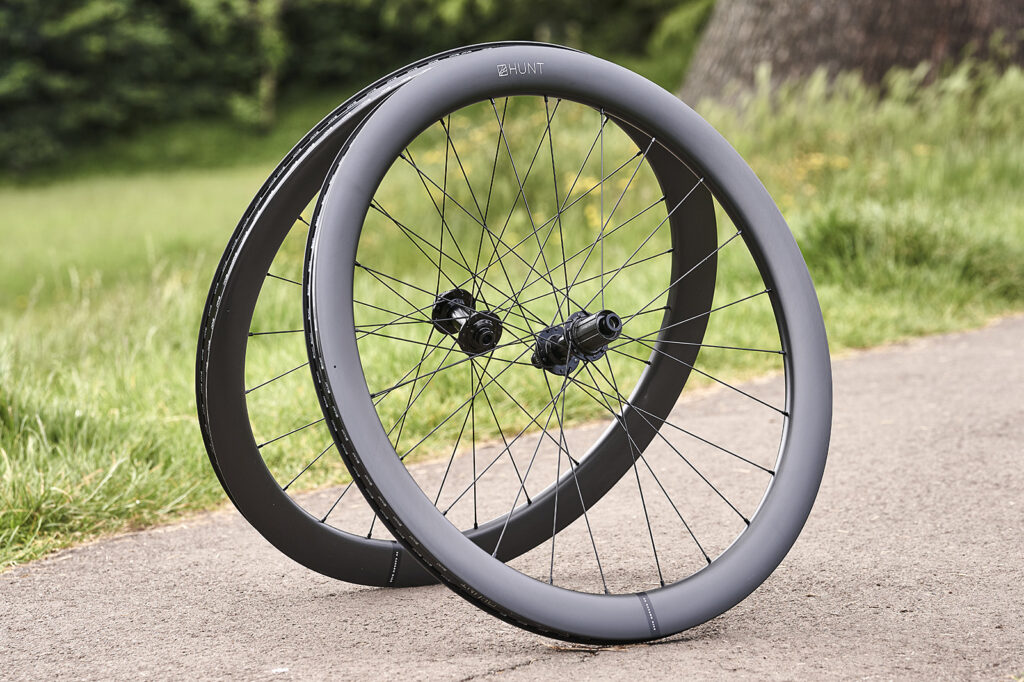
- Carbon MTB wheels are constructed from layers of carbon-fiber fabric set in resin, strategically oriented to optimize stiffness, strength, and compliance. These wheels are lightweight, stiff, and precise, but they come at a premium price.
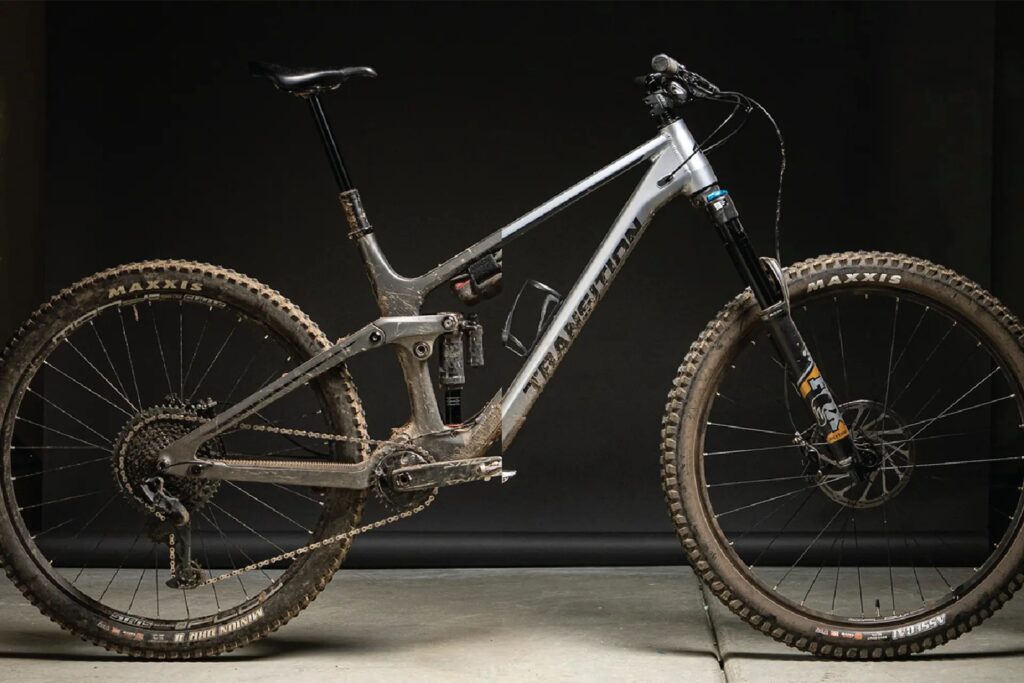
- Aluminum MTB wheels are made from aluminum alloy, formed, heat-treated, and drilled for spokes. They are generally more affordable and offer predictable damage behavior and easier repair options.
While the material plays an important role, factors like rim depth, spoke count, internal width, hub quality, and overall wheel construction also significantly influence wheel performance. Stiffness and ride feel result from the interaction of all these components—not just whether the rim is made of carbon or aluminum. For more details, see the Canyon Blog on Carbon vs Aluminium Wheelsets.
Aluminum MTB Wheels: Construction & Behavior
Manufacturing Process
Aluminum MTB wheels begin life as aluminum alloy, which is formed, welded (or sleeved), and heat-treated to improve strength. The rim is then drilled to accommodate spokes. This simpler manufacturing process results in a wheelset that’s relatively inexpensive to produce compared to carbon.
Impact Behavior
- Aluminum rims typically dent, bend, or develop flat spots when subjected to heavy impacts.
- Most damaged aluminum wheels can still be ridden temporarily, though dents weaken the wheel and may affect tire seating.
- While aluminum rims aren’t indestructible, their damage is often visible and easier to manage.
Repairability
One of the biggest advantages of aluminum MTB wheels is repairability:
- Dents and bends can often be worked out, and damaged rims don’t always require immediate replacement.
- Spoke holes and other wheel components are affordable and easy to replace.
- Repair costs are typically lower than for carbon alternatives, as highlighted by resources like the Canyon Blog on Carbon vs Aluminium Wheelsets.
Carbon MTB Wheels: Construction & Behavior
Manufacturing Process
Carbon MTB wheels are made from layers of carbon-fiber fabric embedded in resin. Manufacturers use advanced engineering to orient fibers in specific directions, allowing them to manipulate stiffness, strength, and compliance at different points on the rim. While the process delivers precision and durability, it’s far more complex and costly than producing aluminum rims.
Impact Behavior
- Carbon rims are extremely strong but may crack or sustain structural damage under extreme impacts.
- Unlike aluminum, cracked carbon rims should not be ridden without professional inspection, as some damage might not be immediately visible.
Modern Carbon Durability
Carbon MTB wheels offer impressive durability for repeated use:
- They do not dent or develop flat spots like aluminum rims.
- Premium manufacturers often include lifetime warranties or crash-replacement policies, mitigating repair and replacement costs, a point emphasized by The Pro’s Closet on Carbon MTB Wheels.
Fundamental Differences: Aluminum vs Carbon Failures
A critical distinction between carbon vs alloy wheels MTB is their behavior under failure:
- Aluminum typically deforms progressively (e.g., dents or bends) in a visible, manageable way and may remain rideable temporarily.
- Carbon holds its shape under multiple loads but may crack suddenly after severe impacts. Cracks often require professional inspection and are rarely safe to ride.
Modern advancements in carbon technology challenge the notion that aluminum is inherently more durable, especially as some premium carbon manufacturers include extensive warranties. High-quality construction matters as much as material, a sentiment echoed by both Outdoor Gear Lab – Mountain Bike Wheels and The Pro’s Closet on Carbon MTB Wheels. For additional context on wheel design considerations, see this guide on Why all the MTB Rims are Hookless.
Performance Comparison: Weight & Acceleration
Weight Advantage
Carbon MTB wheels are often several hundred grams lighter than aluminum wheelsets. For example:
- Aluminum wheelset: ~1,700 grams
- Carbon wheelset: ~1,390 grams
That ~310-gram difference is significant because the weight savings occur at the rim, where rotational mass has the greatest impact. Lower rotational mass contributes to:
- Faster acceleration
- Improved climbing performance
- More responsive handling in technical terrain
Proportional Impact
While weight reduction is beneficial, it won’t transform a rider’s fitness or technique. Other components like tires, tubes, drivetrain parts, and riding skill can also play major roles in improving responsiveness. For more on lightweight wheel optimization, explore this article on Lightweight Carbon Wheels – Breaking the Physical Limits of Lightweighting.
Performance Comparison: Stiffness & Handling
Carbon’s Stiffness Advantage
Carbon rims enable designers to optimize lateral and torsional stiffness without added material weight. This translates into:
- Precise cornering responses.
- Quicker direction changes.
- Better tracking through rough terrain.
- Enhanced power transfer during sprints.
Balancing Stiffness
Excessive stiffness can reduce comfort or traction if improperly balanced with tire pressure, suspension setup, and rim design. As noted in the Canyon Blog on Carbon vs Aluminium Wheelsets, high-end aluminum wheels can also achieve excellent stiffness for their weight.
Cost Analysis: Price Ranges & Value
Price Ranges
The general price ranges for wheelsets are:
- Aluminum MTB wheels: $400–$1,000 or more.
- Carbon MTB wheels: $1,200–$2,500 or more.
These ranges vary based on brand reputation, build quality, hub specs, warranty coverage, and sales conditions.
Value Comparison
Carbon wheels provide better value for riders who will frequently exploit weight savings, handling precision, and warranty-backed longevity.
Aluminum wheels provide better value for riders focused on affordability, durability, and easy repairs. For a deeper analysis of wheel material costs and options, check out this resource on Disparities in Prices of Carbon Fiber Bicycle Rims in the Chinese Market.
Are Carbon MTB Wheels Worth It?
The answer depends on the rider and use case:
- Carbon wheels benefit competitive racers, experienced trail riders, and users who value weight reduction and handling precision.
- Aluminum wheels suit recreational riders, those learning the fundamentals, and budget-conscious buyers.
For the average rider, aluminum is the rational default. Carbon excels in specific performance-driven scenarios but may offer diminishing returns for casual riders. To explore this further, consult this Complete Buying Guide to Carbon Fiber Wheels and analysis from Run Bike Calc on Carbon vs Aluminum Wheels.
Decision Framework
- Choose aluminum when: Budget constraints, easy repairs, and forgiving behavior matter most.
- Choose carbon when: Weight savings, stiffness, and precision handling are priorities.
- Hybrid strategy: Carbon for racing with aluminum for training or bike parks.
For those interested in exploring advanced carbon wheel technologies, this guide on Graphene Technology in Carbon Rims discusses cutting-edge innovations. Additionally, if you want to understand more about carbon rim construction, you can learn about what the differences are between 3K, 3K Twill, 12K, 12k Twill, UD, UD Marble and Paintless.
Conclusion
Carbon vs aluminum MTB wheels isn’t a debate about one material being universally better. Both materials have advantages, from lightweight precision (carbon) to affordability and ease of repair (aluminum). The best wheelset depends on your budget, riding style, terrain, and goals. Assess your individual needs and test potential options to make the right decision for your trail adventures. For additional insights into modern MTB technology, The Ultimate Carbon MTB Wheels Buying Guide provides a comprehensive resource.
Frequently Asked Questions
1. Are carbon wheels always better than aluminum?
No. “Better” is subjective. Carbon wheels are lighter and stiffer, which is ideal for racing and performance-focused riders. However, high-quality aluminum wheels offer excellent durability, easier repairs, and a much lower price point, making them a better choice for many recreational riders and those on a budget.
2. What happens when an aluminum wheel gets damaged?
When aluminum wheels take a hard hit, they typically dent or bend. This damage is visible and often repairable. In many cases, a dented aluminum wheel can still be ridden carefully to get you home, though it may affect the tire’s seal on a tubeless setup.
3. Are carbon wheels fragile?
Modern carbon MTB wheels are incredibly strong and durable for their intended use. They can withstand significant repeated impacts without denting like aluminum. However, they are not indestructible. A severe, sharp impact that exceeds their strength limit can cause them to crack, which is typically not repairable and unsafe to ride on.
4. Is the weight difference between carbon and aluminum really that significant?
Yes, the weight savings of a few hundred grams can be very noticeable. Because this weight is at the outer edge of the wheel (rotational mass), it has a greater effect on acceleration, climbing, and the bike’s overall nimbleness compared to saving the same amount of weight from a static part like the frame.
5. Why are carbon wheels so much more expensive?
The high cost of carbon wheels comes from a combination of expensive raw materials (carbon fiber and resins) and a highly complex, labor-intensive manufacturing process. Creating a carbon rim requires precise layering, molding, and curing, which is far more involved than extruding and welding an aluminum rim.